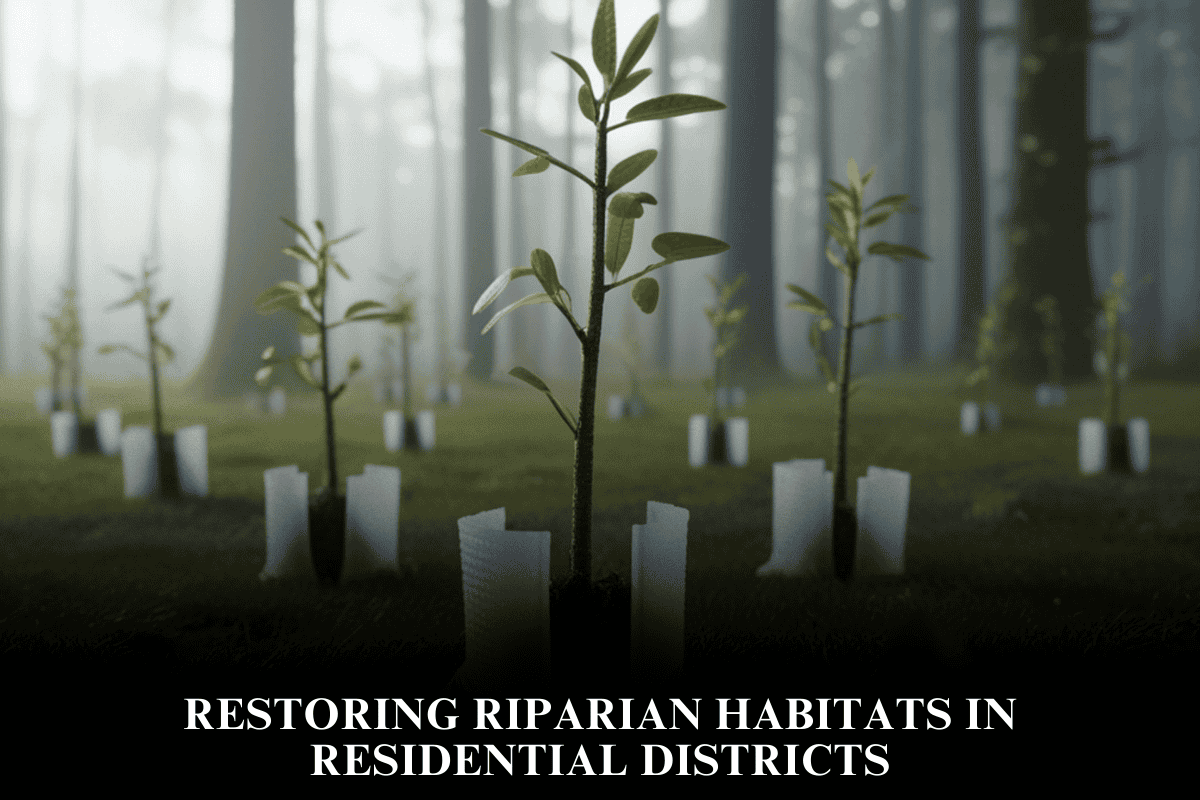
Restoring riparian habitats—vegetated zones along streams and rivers—in residential districts revives ecosystem services like flood control, water purification, erosion prevention, and wildlife corridors amid urban pressures.
These efforts counter development impacts such as bank erosion and invasive species by reintroducing native plants, stabilizing soils, and reconnecting floodplains, benefiting homeowners through resilient landscapes and enhanced property values. Community-led initiatives leverage grants and volunteers for scalable, cost-effective revival.
Site Assessment and Planning
Begin with GIS-based prioritization: evaluate vegetation cover, soil erodibility, slope, and land use in 40m-wide corridors to score restoration potential—lower scores flag high-priority degraded zones. Engage stakeholders via consultations for buy-in, assessing hydrology and invasives; experts advise on native species suited to local conditions. Permits and bylaws may restrict access during stabilization.
Key Restoration Techniques
Remove invasives first to favor natives, then reinforce eroding banks with bioengineering—live stakes, fabric anchors, or log vanes. Plant diverse natives (trees, shrubs, grasses) for shading, debris, and habitat; source locally for hardiness. Regrade steep banks, exclude livestock/foot traffic via fencing, and restore natural flows by filling ditches or removing levees. Buffers filter 97% sediments, moderate temperatures.
Passive approaches like grazing exclusion yield quick vegetative recovery.
Community Engagement and Maintenance
Volunteers plant and monitor; incentives like subsidies boost participation. Water new plants, adapt via monitoring indicators (cover, erosion), and maintain via mowing or controlled burns. Long-term: bylaws preserve buffers, enhancing recreation and health.
Benefits and Challenges
Riparian revival mitigates floods/droughts, boosts biodiversity, and raises values; costs offset by grants. Challenges: invasives, access; solutions include adaptive management.
FAQ
What are riparian habitats?
Vegetated streamside zones providing flood control, filtration, habitat.
First restoration step?
Assess via GIS for vegetation, soil, slope; remove invasives.
Key planting strategies?
Diverse natives for shading, stability; local sourcing.
How involve residents?
Consultations, volunteers, subsidies for buy-in.
Main benefits in residential areas?
Erosion/flood reduction, cleaner water, higher property values.