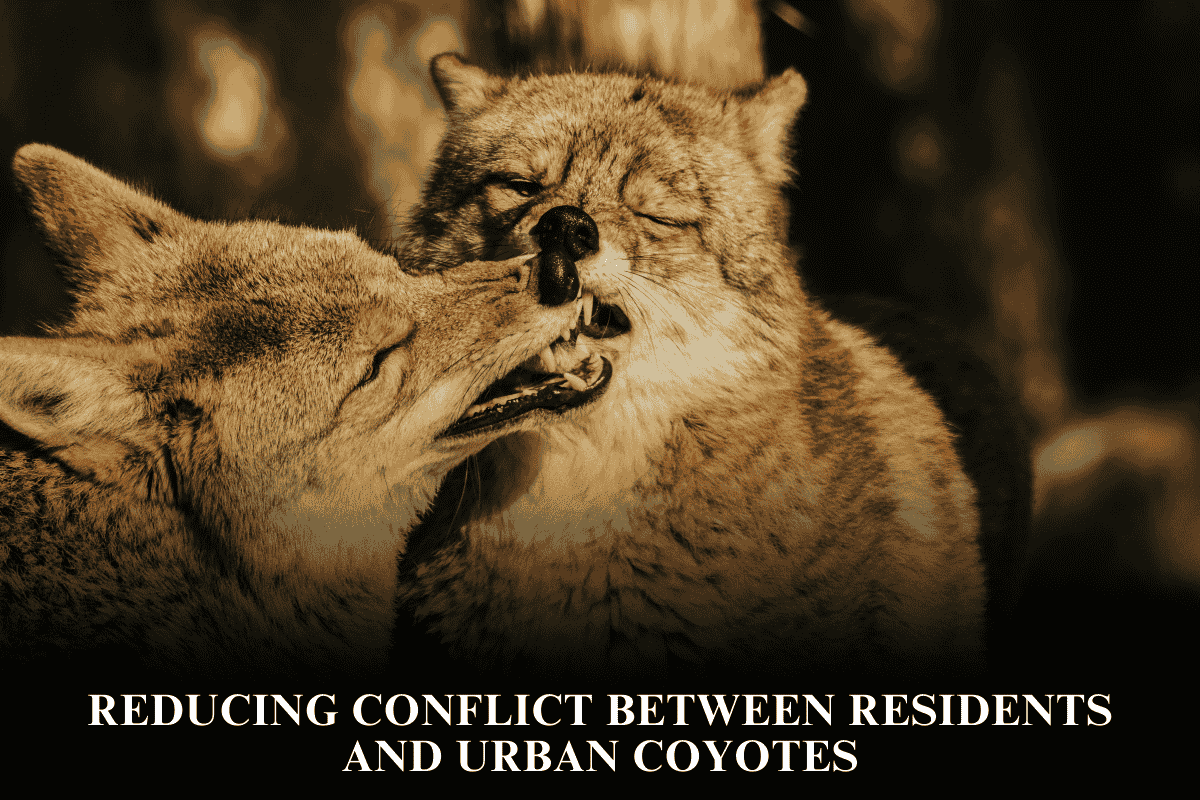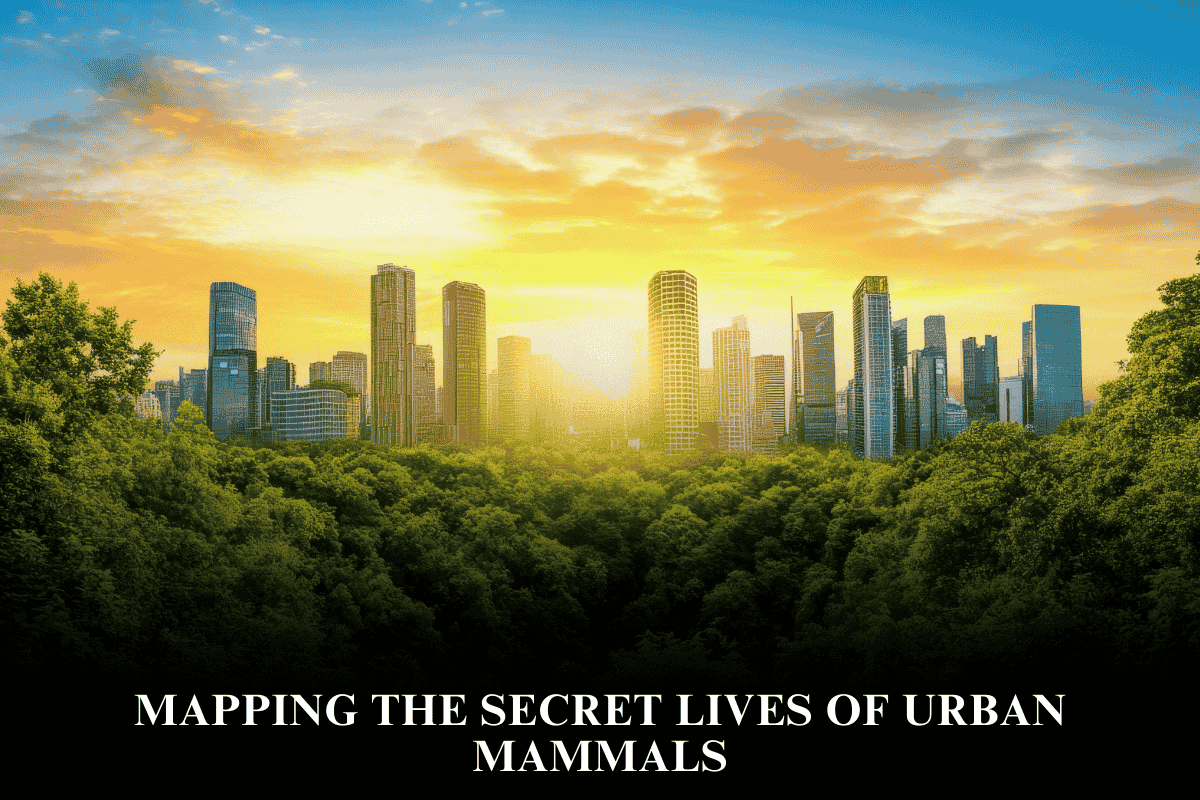
Urban mammals navigate hidden worlds shaped by human landscapes, adapting through nocturnal shifts, opportunistic foraging, and behavioral plasticity to thrive amid lights, noise, and fragmented habitats. Camera traps, radio telemetry, and acoustic monitoring reveal how species like raccoons, squirrels, foxes, and coyotes exploit parks, sewers, and garbage while avoiding peak human activity. These insights from global studies across 379 cities highlight survival strategies, urging green corridors and reduced pollution for coexistence.
Behavioral Adaptations Revealed
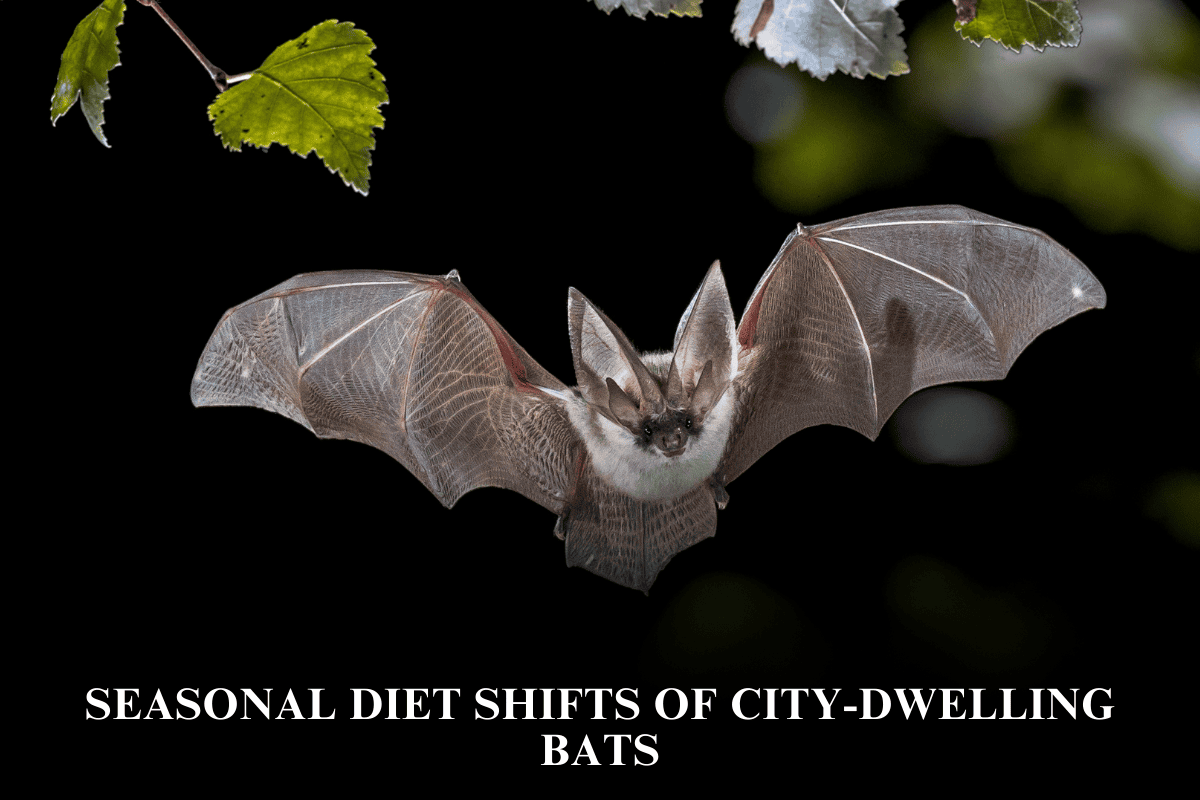
Small mammals often turn nocturnal or crepuscular in cities, extending activity under artificial lights but risking disrupted circadian rhythms and lower reproduction. Synurbic species—those excelling in urban settings—show smaller home ranges, higher densities, and diets broadened to include human waste, pets’ food, and crops. Red squirrels, for instance, forage more at dawn/dusk in dense areas to dodge people, while coyotes use storm drains for safe passage.
Phylogenetic analyses link large litters, dispersal ability, and cognitive flexibility to urban tolerance, varying by taxon—birds clutch smaller broods, mammals prioritize omnivory.
Technological Mapping Tools
Camera traps capture unseen patterns, like increased nighttime foraging near dumps, while GPS collars track movements across scales—from home ranges avoiding traffic to city-wide migrations via green spaces. Acoustic monitors detect communication shifts, and genetic studies reveal homogenization from urban corridors. Global consortia compare New York to Nairobi, finding no universal “urban trait syndrome” but consistent traits like small body size and dietary generalism.
These methods expose obesity in bears scavenging dumps or rodents dominating edges.
Conservation Implications
Urban stressors—light pollution suppressing foraging, noise hindering mating—demand tailored strategies: dimmed lighting, habitat connectivity, and waste management to curb conflicts. Public attitudes influence outcomes; positive perceptions favor tolerance over removal. Preserving parks sustains biodiversity, as adaptable species like peregrines (via buildings) model success, but vulnerable ones need protection.
FAQ
Why do urban mammals become nocturnal?
To avoid humans, traffic, and daytime predators; artificial lights extend activity but disrupt natural cycles.
What traits make mammals urban survivors?
Small size, omnivorous diets, large litters, and behavioral plasticity like using sewers or higher-pitched calls.
How do camera traps map secret behaviors?
They log activity timing, foraging sites, and interactions invisibly, comparing urban vs. rural patterns.
Do all mammals thrive in cities?
No, synurbic ones like raccoons do; others face fragmentation, stress, and competition, needing green links.
How does urbanization change mammal diets?
Shifts to garbage, pet food, crops boost populations but cause health issues like obesity in bears.
What conservation steps help urban mammals?
Reduce light/noise pollution, create corridors, manage waste, and foster positive public views.