Thermal stress in heat-intensive cities is reshaping how birds behave, survive, and interact with urban environments. Rising temperatures and urban heat islands increase the challenges birds face, influencing their activity patterns, reproduction, distribution, and long-term survival in city landscapes.
Urban Heat and Bird Thermal Stress
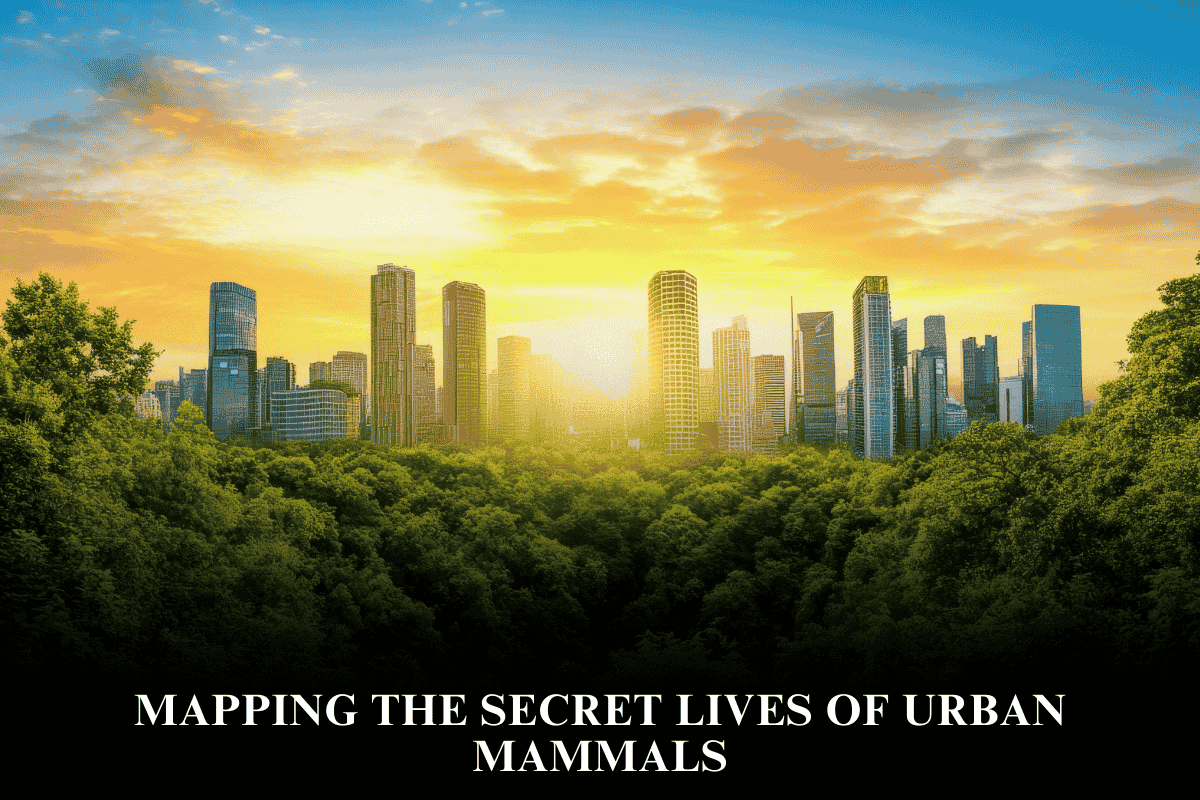
Heat-intensive cities trap warmth through concrete, asphalt, and dense building structures, creating urban heat islands where temperatures are consistently higher than nearby rural areas.
This intensifies thermal stress for birds, which must maintain stable body temperatures despite already high metabolic demands. Prolonged exposure to extreme heat can cause dehydration, overheating, and increased energy expenditure on cooling behaviors, leaving less energy for feeding, breeding, and caring for young.
Changes in Bird Behavior
To cope with high temperatures, birds adjust their daily routines and microhabitat use. Common behavioral responses include:
- Seeking shade and cooler microclimates, such as dense vegetation, building ledges, or water features, especially during midday heat.
- Shifting foraging activity to early morning and late evening when conditions are cooler.
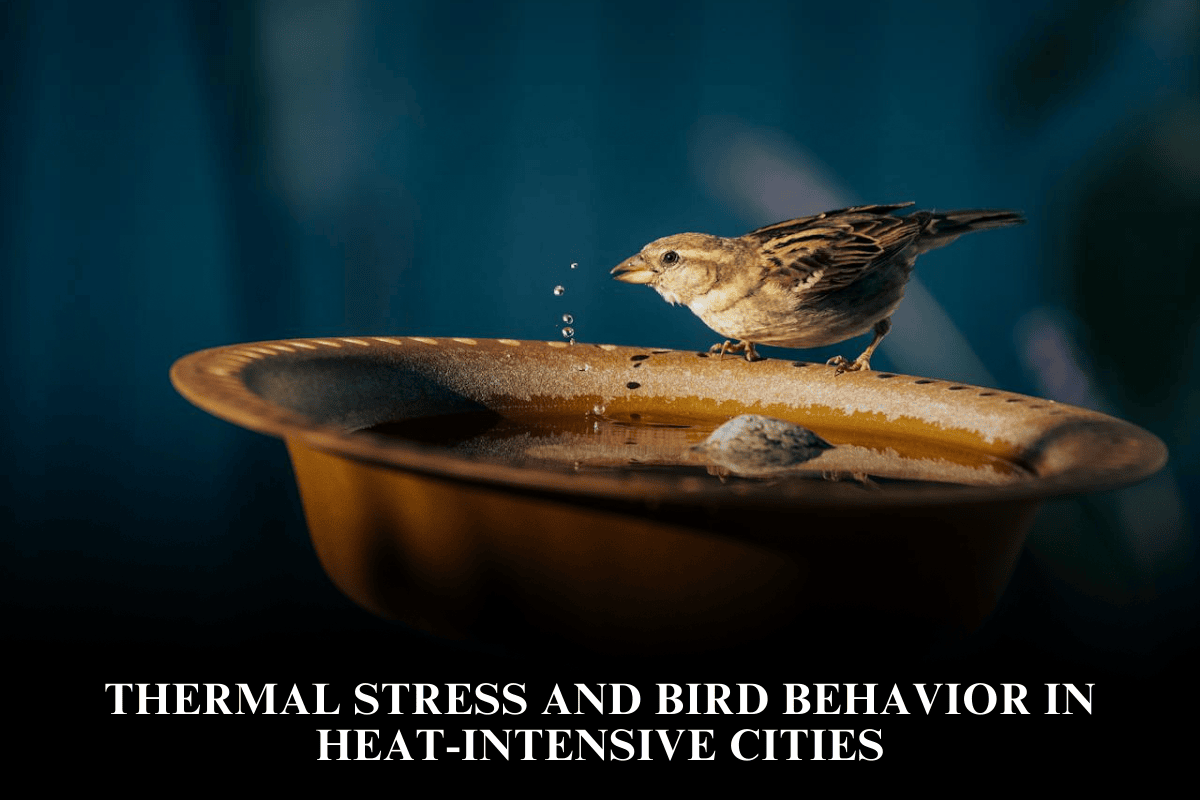
- Increasing visits to water sources for drinking and evaporative cooling.
These adaptive behaviors often involve trade-offs, as reduced foraging time or altered feeding patterns can affect nutrition, growth, and reproductive success.
Impacts on Diversity and Reproduction
Thermal stress and urban heat island effects are linked to declines in bird species richness and functional diversity, with heat-intolerant and specialist species disappearing from some cities while a few adaptable generalists dominate. Elevated temperatures also affect reproduction; extreme heat events reduce nest attendance, hinder incubation, and increase the risk of egg or chick overheating.
Studies show that heat can lower nestling body mass and survival, although some urban populations may develop adaptations that partially buffer these impacts.
Role of Green Infrastructure and Urban Planning
Green spaces, trees, and water bodies act as thermal refuges, moderating local temperatures and providing critical resources for birds under heat stress. Cities with more vegetation and shade support higher bird diversity and offer birds more options to cope with extreme heat.
Integrating habitat-friendly design—such as urban forests, green roofs, and bird-safe water sources—into planning helps mitigate thermal stress and preserve avian biodiversity.
FAQ
How does heat stress affect bird behavior in cities?
It causes birds to seek shade, adjust activity times, increase water use, and reduce foraging during the hottest hours, often impacting feeding and breeding success.
Why does bird diversity decline in hotter urban areas?
Urban heat islands and habitat loss favor heat-tolerant generalists, while sensitive and specialist species decline due to thermal stress and reduced resources.
Are urban birds better adapted to heat than rural birds?
Some urban bird populations show adaptations that reduce the negative effects of hot days on nestlings, but extreme heat events can still be harmful.
What role do green spaces play for birds under heat stress?
Green spaces provide cooler microclimates, food, and water, helping birds thermoregulate and supporting higher diversity in heat-intensive cities.
How can cities reduce thermal stress on birds?
By increasing tree cover, preserving natural habitats, creating water sources, and designing climate-resilient green infrastructure that offers shade and refuge for wildlife.