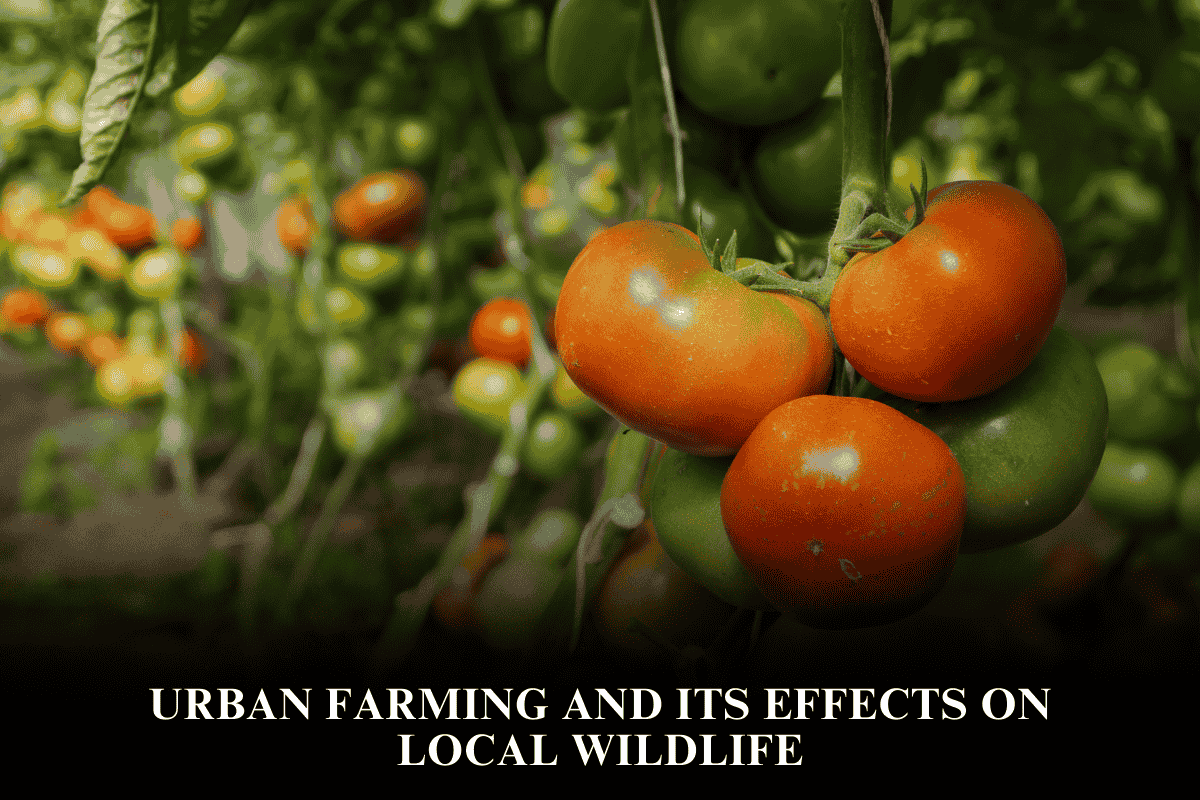
Urban farming has notable effects on local wildlife, shaping urban biodiversity in both positive and negative ways. It introduces green spaces in densely developed areas, providing habitats and food resources for various species such as birds, insects, and small mammals.
These green micro-habitats can mitigate the urban heat island effect, making cities more hospitable to wildlife. However, if not managed carefully, urban farms can also pose risks like the spread of invasive species, pesticide exposure, and habitat displacement for native wildlife.
Positive Effects of Urban Farming on Wildlife
Urban farms contribute to biodiversity by creating pockets of vegetation in cities that support wildlife populations, especially pollinators such as bees and butterflies. These farms often include native plants and flowering species that offer nourishment and shelter to insects and birds. The presence of diverse plant species can improve soil health and foster ecological interactions critical for sustaining urban ecosystems. Additionally, urban farming cools city microclimates, which benefits local fauna sensitive to high temperatures.
Challenges and Negative Impacts
Despite these benefits, urban farming involves risks that may impact wildlife negatively. Non-native plant species introduced in farms can outcompete local flora, affecting the natural balance.
The use of pesticides—even organic—can harm beneficial insects and accumulate toxins in the environment. Clearing land for farming may reduce natural habitats if native vegetation is displaced. Moreover, increased human-wildlife interactions in farms may stress some animal populations or alter predator-prey dynamics, requiring thoughtful farming practices to avoid negative consequences.
Urban Farming as Ecological Restoration
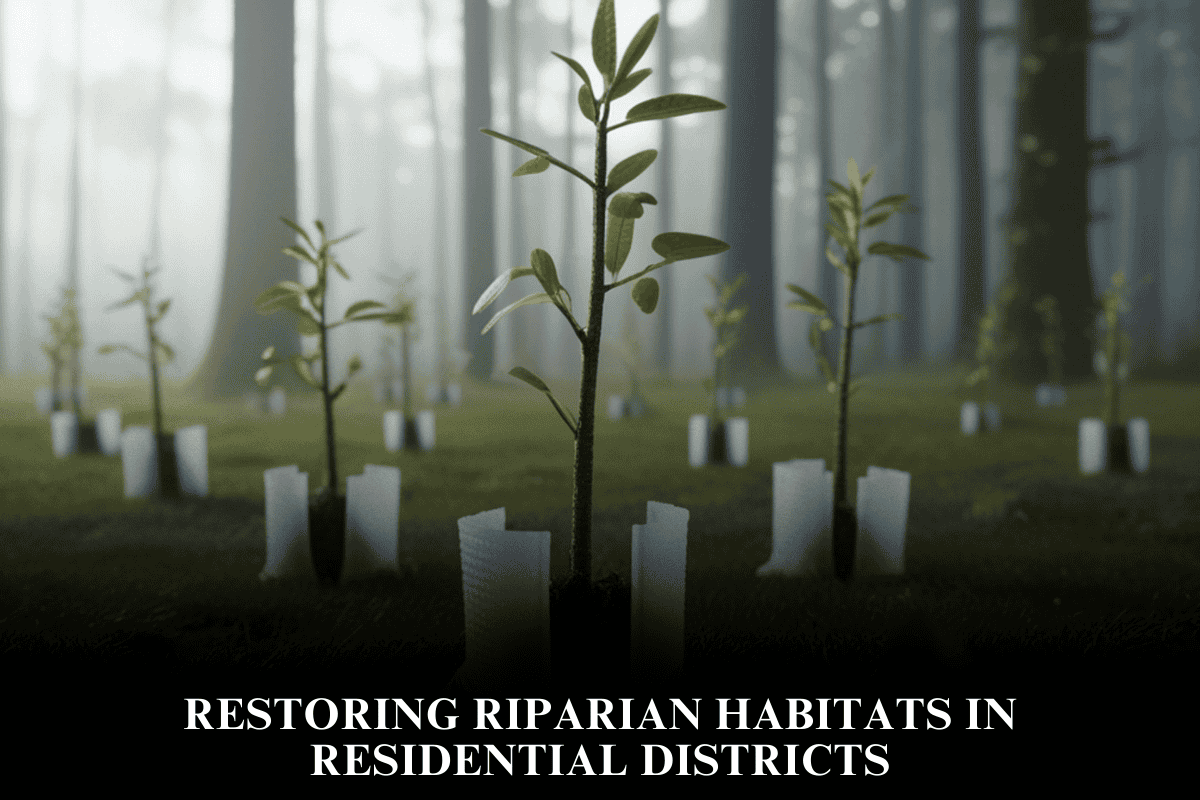
Urban agriculture also holds potential as a tool for ecological restoration by reintroducing native plants and increasing habitat connectivity between fragmented green spaces. It can enhance food security for humans while simultaneously supporting biodiversity.
Success depends on species selection, soil management, and minimizing chemical inputs. Carefully designed urban farms serve as biodiversity havens amidst cityscapes, promoting coexistence between wildlife and urban communities.
FAQs
How does urban farming support local wildlife?
Urban farms create habitats and food sources, supporting a variety of insects, birds, and small mammals, and help cool urban areas.
Can urban farming harm wildlife?
Yes, if it introduces invasive species, overuses pesticides, or replaces native habitats without proper management.
Are pollinators affected by urban farming?
Urban farming often benefits pollinators by providing blooming flowers and nesting sites essential for their survival in cities.
What role can urban farming play in ecological restoration?
It can reintroduce native plants, improve soil health, and connect fragmented habitats in urban areas.
How can urban farmers reduce negative impacts on wildlife?
By selecting native plants, minimizing pesticide use, and preserving natural habitats within or near farms.