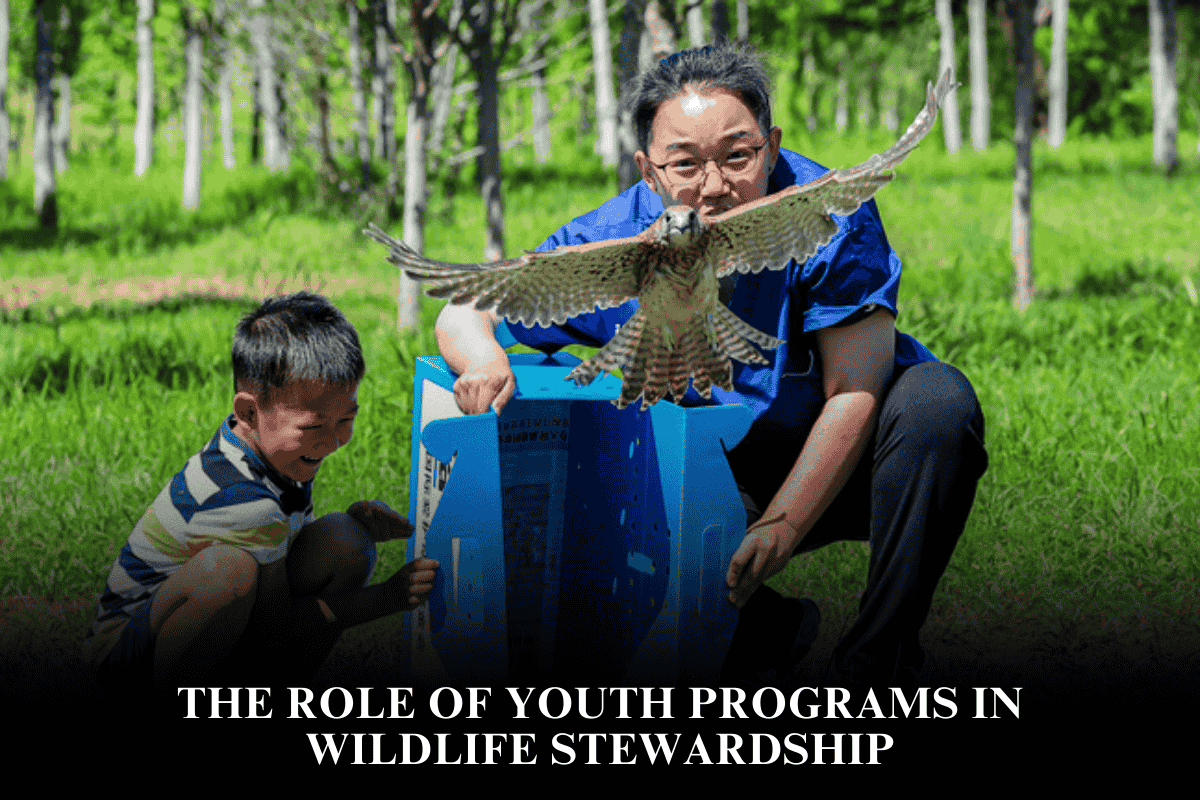
Youth programs play a vital role in fostering wildlife stewardship by empowering young people with knowledge, skills, and opportunities to actively engage in conservation efforts. These programs serve as a foundation for developing environmentally conscious leaders who contribute to protecting wildlife and habitats, raising awareness, and influencing policy for sustainable development.
Education and Awareness Building
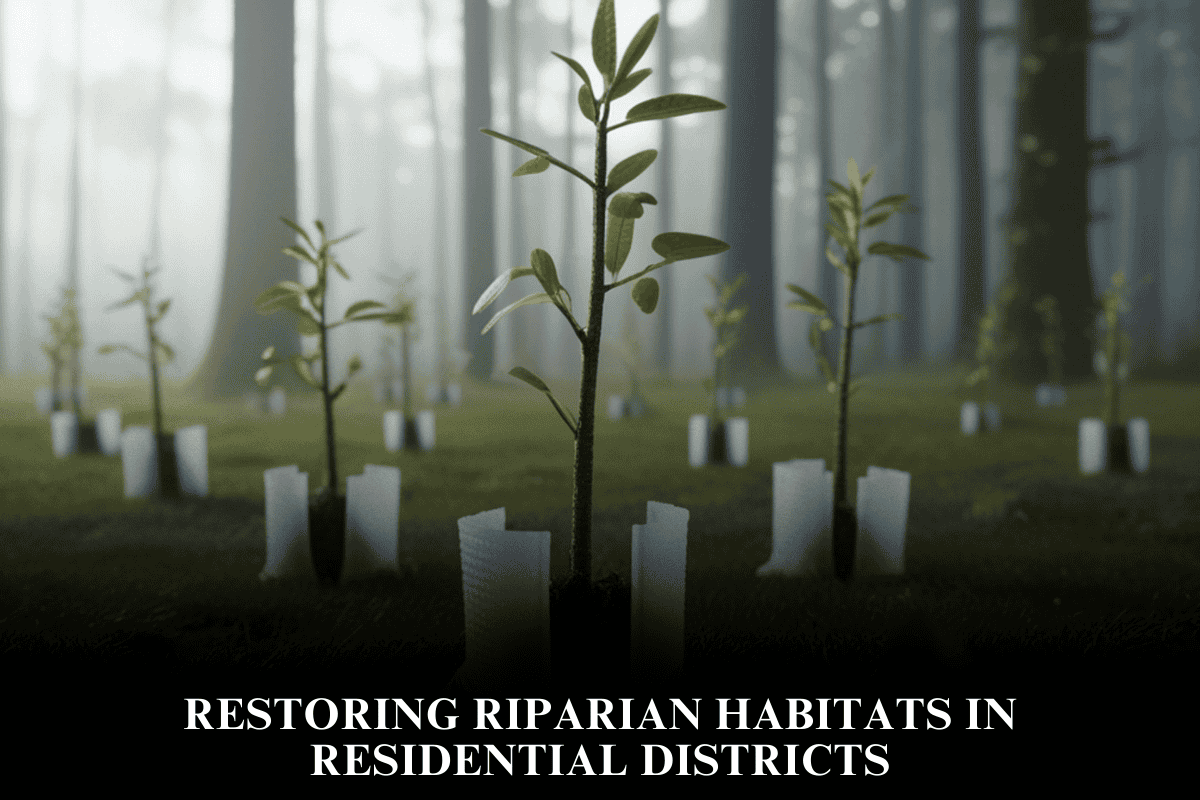
Youth programs provide educational experiences that enhance understanding of biodiversity, ecosystem functions, and threats faced by wildlife. Through hands-on activities such as habitat restoration, species monitoring, and wildlife rehabilitation, young participants gain practical conservation skills alongside classroom learning.
Programs like the Jane Goodall Institute’s Roots & Shoots empower youth to design and lead conservation projects, facilitating critical thinking and environmental advocacy from an early age. Social media campaigns led by youth also amplify conservation messages, reaching wider audiences and inspiring community action.
Community Involvement and Leadership Development
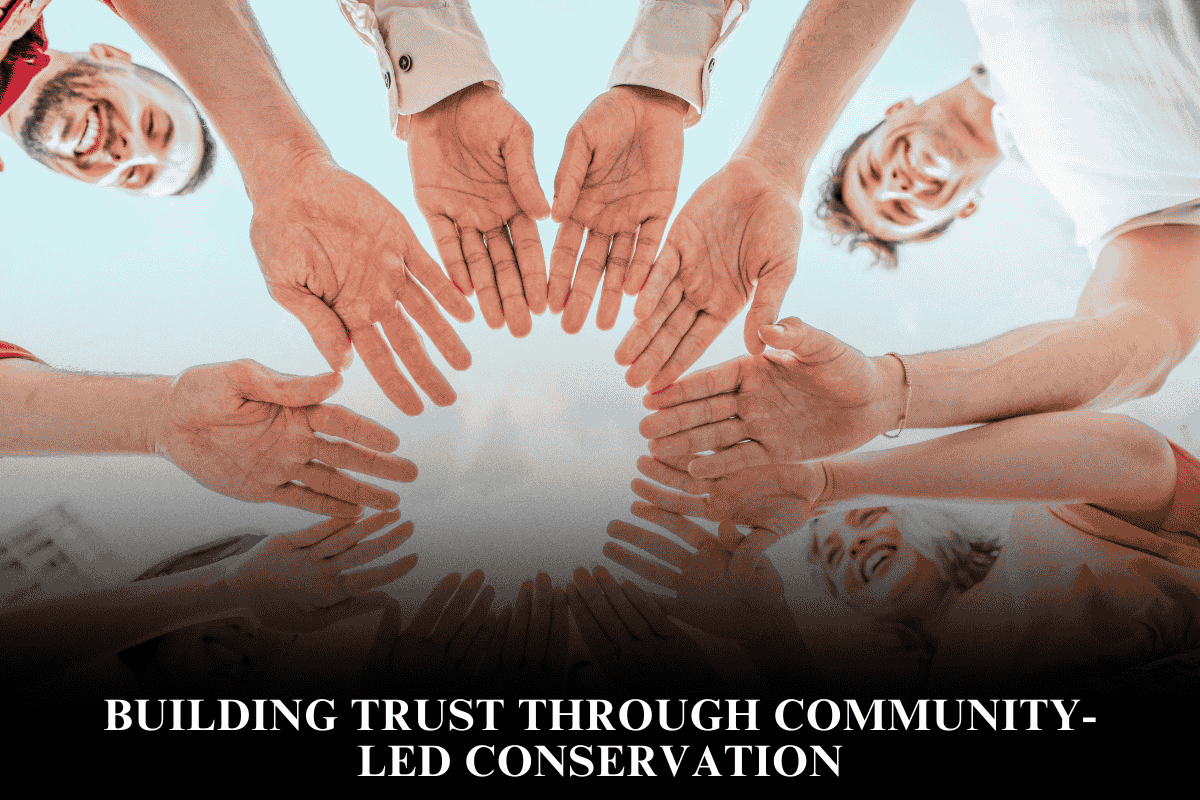
By involving youth in community-based conservation initiatives, these programs nurture leadership, responsibility, and teamwork. Volunteering at wildlife centers or participating in citizen science projects deepens young people’s connection to nature and fosters a sense of stewardship.
Networks such as the Caribbean Youth Ecological Network engage youth in environmental research and community outreach, promoting sustainable practices and wildlife protection while building advocacy skills and confidence.
Advocacy and Policy Influence
Youth voices increasingly influence conservation policy and decision-making at local, national, and international levels. Youth-led movements and organizations like the Global Youth Biodiversity Network provide platforms for young people to shape environmental governance and policy frameworks.
Their innovative approaches bridge traditional conservation efforts with modern technology and social media, making biodiversity protection more inclusive and forward-thinking. Collaboration between youth and experienced conservationists enhances policy relevance and intergenerational knowledge exchange.
Long-Term Impact and Future Preparedness
Investing in youth wildlife stewardship programs ensures the cultivation of future conservation leaders equipped with scientific knowledge, leadership skills, and a strong environmental ethic. Such programs contribute to resilient communities capable of adapting to environmental changes.
Engaging youth in stewardship nurtures lifelong commitment to sustainability, ensuring ongoing protection of wildlife and natural habitats for generations to come.
FAQ
Why are youth programs important for wildlife stewardship?
They educate and empower young people to actively contribute to conservation, fostering future leaders dedicated to protecting biodiversity.
How do hands-on activities benefit youth in these programs?
Practical experiences deepen understanding, build skills, and strengthen emotional connections to the environment.
Can youth influence conservation policies?
Yes, youth-led advocacy and participation in governance shape inclusive and innovative environmental policies.
What kinds of youth-led initiatives exist?
Examples include habitat restoration, wildlife monitoring, environmental education campaigns, and sustainable community projects.
How do youth programs support community sustainability?
They develop environmentally aware citizens who promote sustainable practices and engage in long-term stewardship.