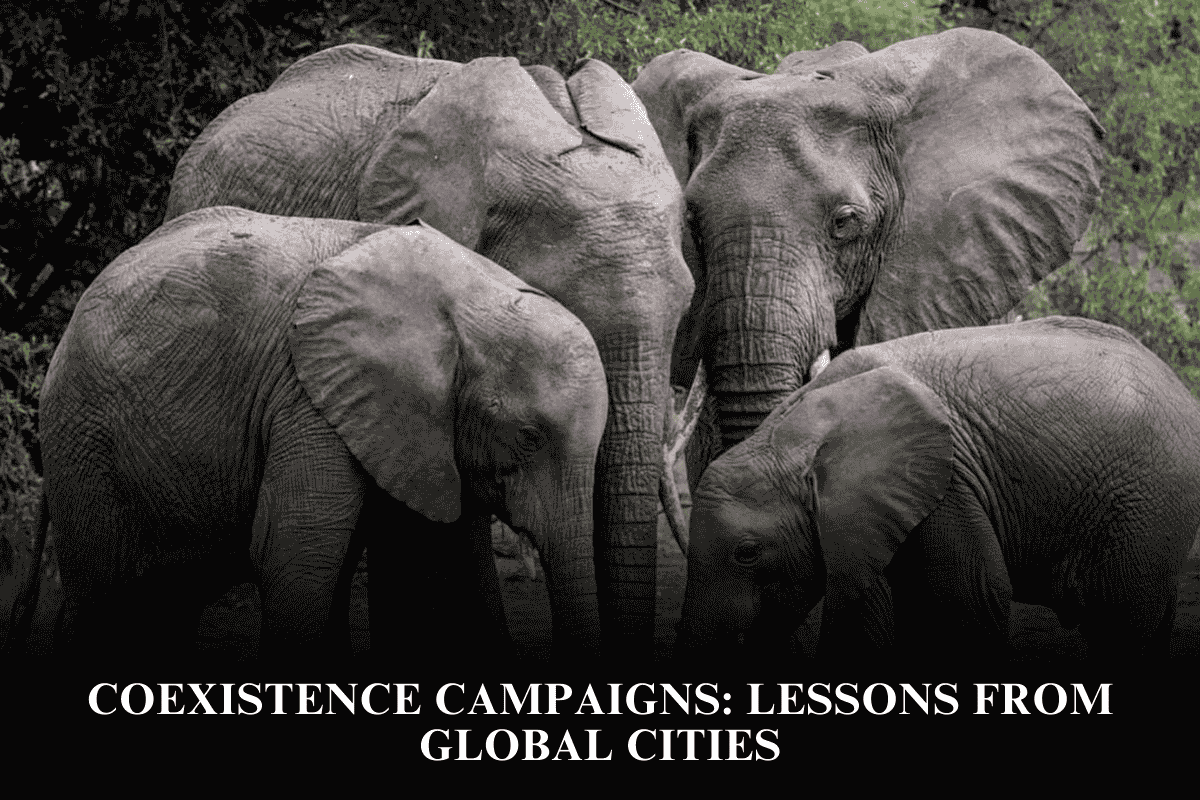
Coexistence campaigns in global cities offer valuable lessons on how humans and wildlife can share urban spaces harmoniously, balancing ecological health with urban living. These campaigns focus on education, habitat preservation, conflict mitigation, and community engagement to foster respect and understanding of urban wildlife’s role.
Importance of Urban Wildlife Coexistence
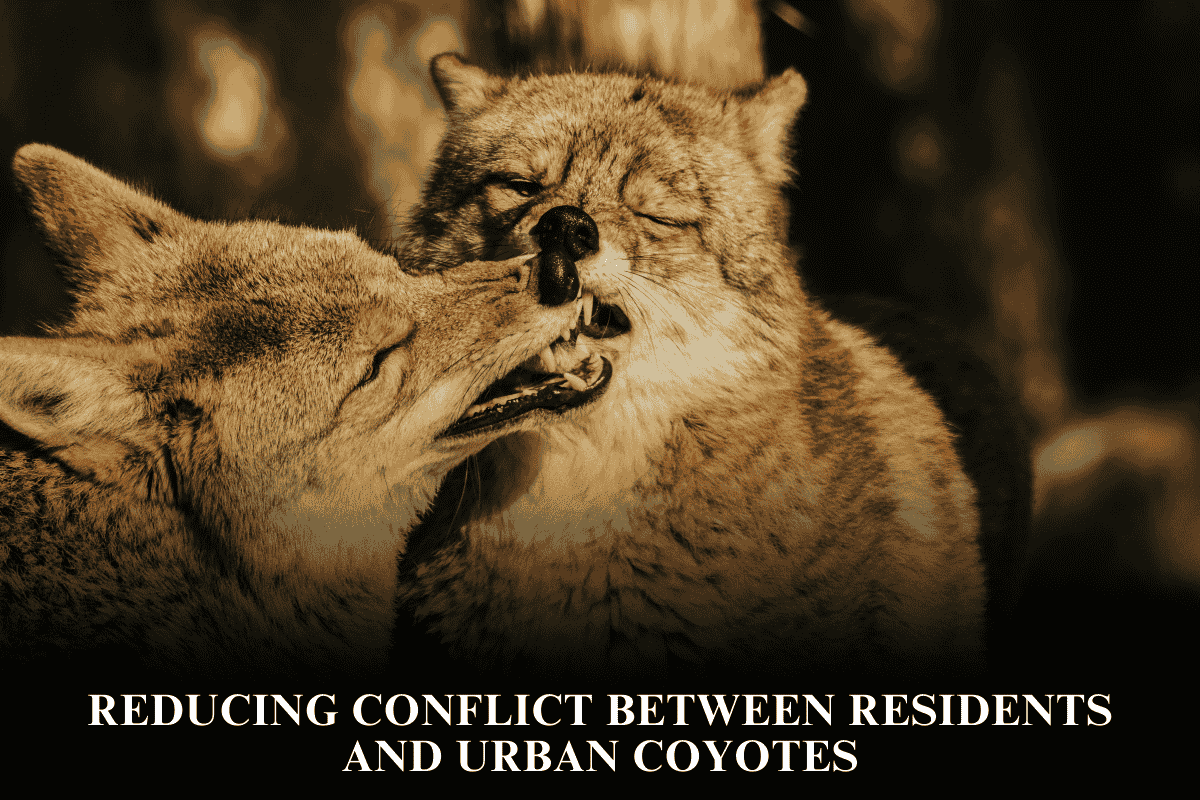
As cities expand, wildlife adapts to urban environments where food, shelter, and safety can be challenging but also offer new opportunities. Species like coyotes, raccoons, and urban birds have thrived by adjusting behaviors. Successful coexistence recognizes cities as shared spaces for multiple species, emphasizing ecological balance and human well-being.
Key Lessons from Global Cities
Education and Community Engagement
Cities like Vancouver and Toronto prioritize public awareness campaigns teaching residents about living with wildlife safely and respectfully. Information on securing waste, avoiding feeding wild animals, and understanding animal behavior reduces conflicts. Engaged communities develop empathy and proactive attitudes, essential in sustaining coexistence.
Habitat Conservation and Connectivity
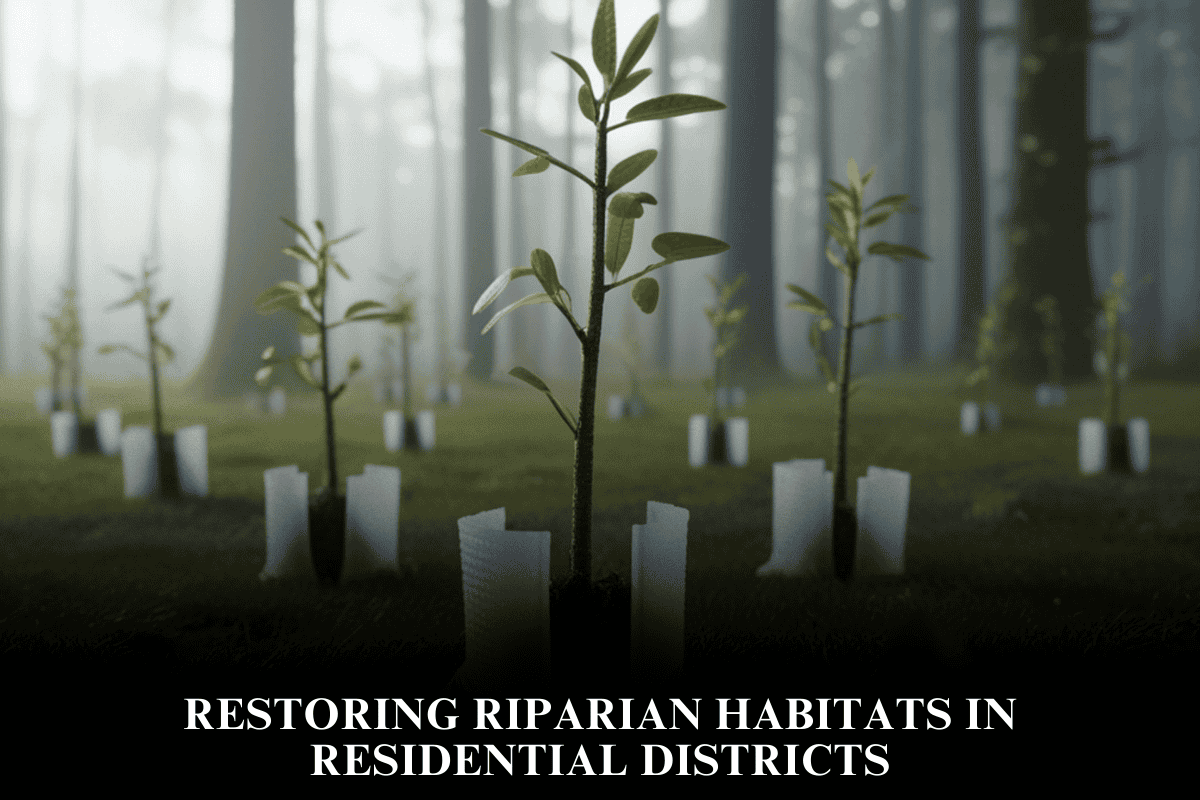
Urban planning that includes green corridors, parks, and wildlife-friendly infrastructure enables species movement and reduces habitat fragmentation. Chicago’s approach to improving habitat connectivity rather than strict zoning restrictions exemplifies innovative coexistence by facilitating animal mobility and minimizing human-wildlife contact points.
Non-Lethal Conflict Management
Modern coexistence frameworks emphasize non-lethal methods such as deterrents, exclusion devices, and community reporting systems to manage problem animals. Lethal control remains a last resort, implemented with strict guidelines. These humane strategies reduce fear and promote tolerance among urban residents.
Integrating Indigenous Perspectives
Incorporating Indigenous knowledge and stewardship practices enriches coexistence campaigns by emphasizing respect, reciprocity, and long-term relationships with nature. This approach fosters culturally sensitive and sustainable urban wildlife management.
Ethical and Policy Frameworks
Coexistence campaigns operate within ethical discussions about the rights of urban wildlife to inhabit shared spaces. Policies balance human safety with animal welfare, advancing environmental justice by recognizing non-human urban dwellers as integral city citizens.
FAQ
Why are coexistence campaigns important in cities?
They promote safe, sustainable sharing of urban spaces between humans and wildlife, reducing conflicts and supporting biodiversity.
How can residents help with wildlife coexistence?
By securing food sources, reporting conflicts non-lethally, respecting habitats, and educating themselves about urban animals.
What role does urban planning play?
Designing green corridors and wildlife-friendly infrastructure mitigates habitat loss and facilitates safe animal movement.
Are lethal measures commonly used in coexistence strategies?
No, non-lethal management is preferred, with lethal control as a last resort under strict policies.
How do Indigenous perspectives benefit coexistence campaigns?
They offer sustainable, respectful approaches rooted in long-standing relationships with the natural world.