Pet management practices that protect urban wildlife focus on minimizing predation, disease transmission, and habitat disruption while keeping pets safe. Responsible ownership—through supervision, containment, and attractant removal—allows coexistence, preserving biodiversity in cities where birds, small mammals, and insects face high threats from free-roaming pets.
Keeping Cats Wildlife-Safe
Cats kill billions of birds and mammals annually, even if prey survives injuries. Transition to indoor-only living or build enclosed “catios” for safe outdoor access. Use BirdsBeSafe collars or CatBibs to reduce hunting success by 40-60%; leash-train for supervised outings.
Supervising Dogs and Preventing Conflicts
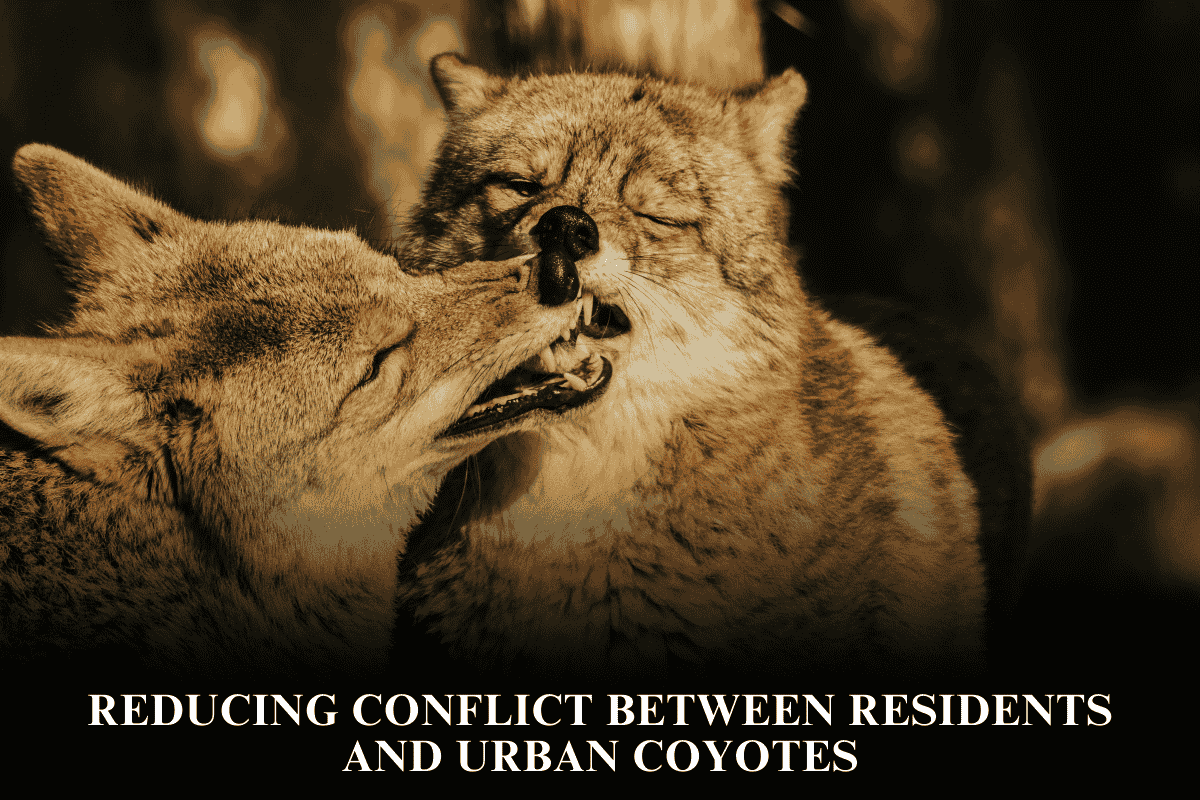
Walk dogs on short (6-foot max), non-retractable leashes, especially at dawn/dusk when wildlife is active. Avoid wooded areas; accompany pets in yards at night with lights/noise to deter coyotes or foxes. Train reliable recall to prevent chasing.
Yard and Home Management
- Secure fencing with coyote rollers or gaps for small wildlife escape (e.g., hedgehogs).
- Designate pet-free zones like bird feeders/baths in elevated, inaccessible spots.
- Never leave pet food, trash, or fallen fruit outside—store in wildlife-proof bins.
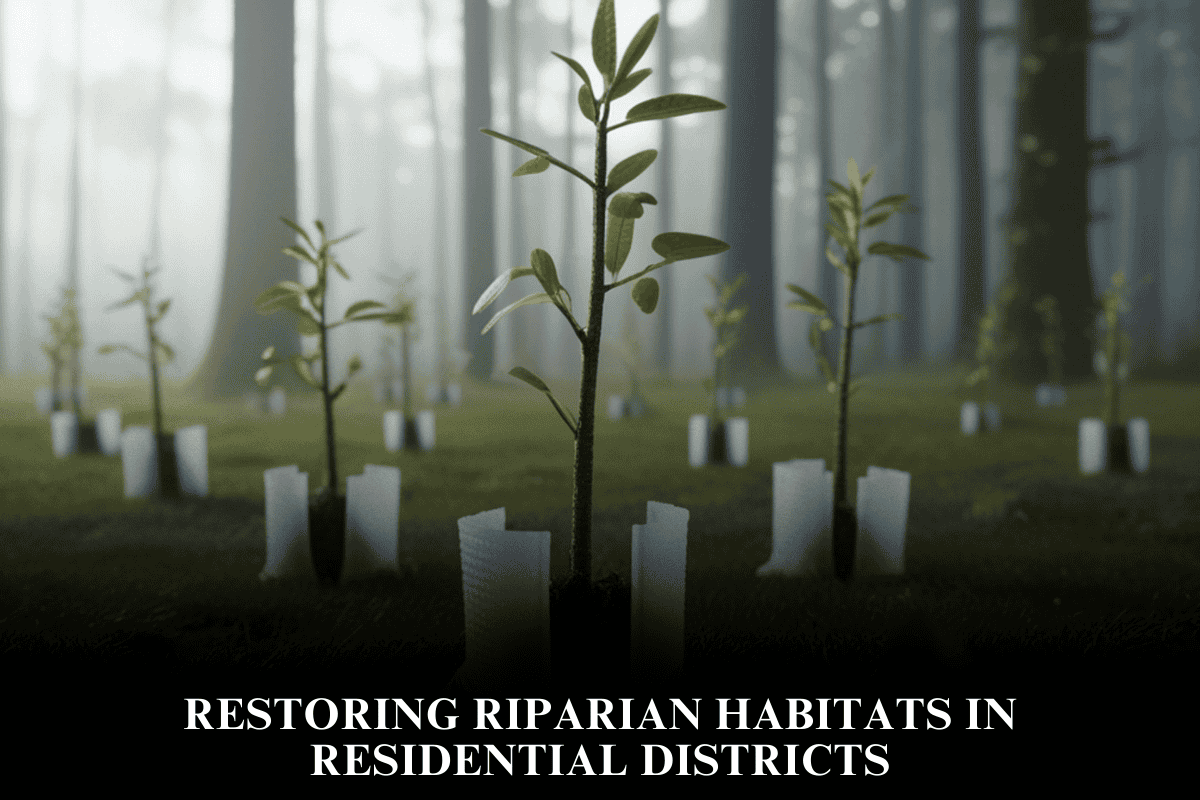
- Plant native gardens for wildlife while using motion lights/sprinklers as deterrents.
Health and Vaccination Protocols
Vaccinate pets fully to block zoonotic diseases from wildlife encounters. Avoid free-ranging to prevent fights with raccoons, skunks, or predators; report aggressive wildlife sightings to authorities.
Community and Policy Support
Advocate for green corridors, no-kill policies, and pet ordinances. Neighborhood cleanups reduce attractants, benefiting both pets and urban fauna.
FAQ
Q1: Why are outdoor cats harmful to wildlife?
They kill millions of birds/small mammals yearly; most prey die from injuries even if released.
Q2: How to protect small dogs from urban predators?
Supervise outdoors, use tall fencing with rollers, avoid dawn/dusk walks.
Q3: What deters wildlife without harming pets?
Motion lights, sprinklers, secure trash—no chemicals or poisons.
Q4: Can pets and wildlife safely coexist in yards?
Yes, with pet-free zones, native plants, and elevated feeders.
Q5: How does vaccination help urban wildlife?
Prevents disease spread between pets and wildlife populations.