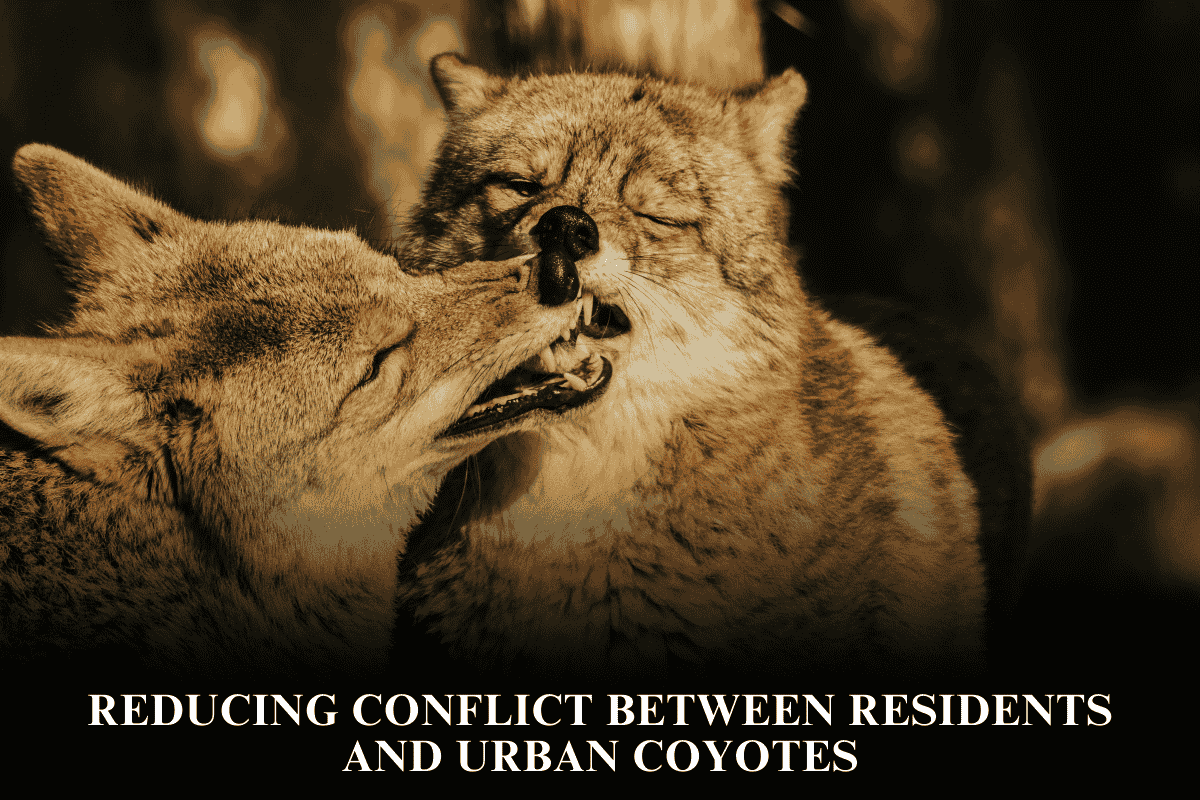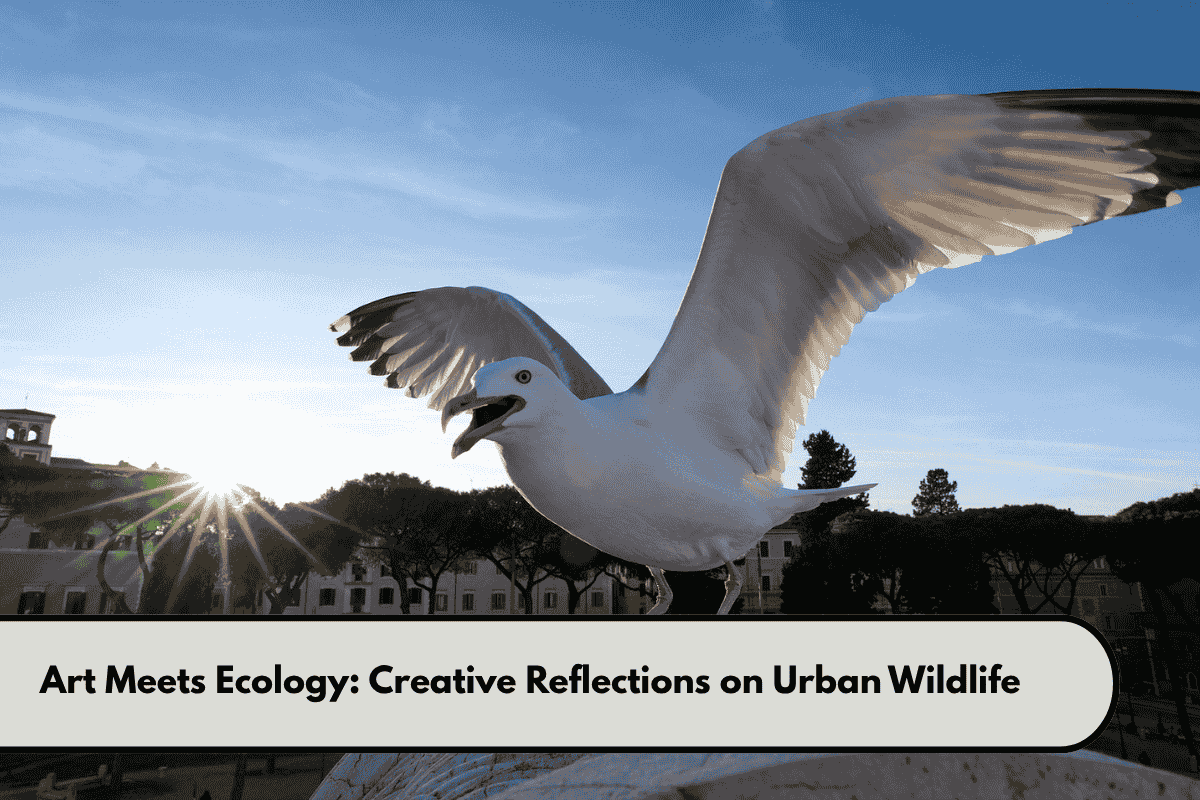
Art and ecology intersect powerfully to reflect urban wildlife and raise awareness of the dynamic relationships between nature and city life. Creative works—such as paintings, photography, murals, and installations—capture the resilience, adaptation, and surprising coexistence of wildlife in urban environments, inviting viewers to see cities through the lens of nature and spark reflection on conservation.
Creative Reflections on Urban Wildlife
- Storytelling Through Art: Artists often draw inspiration from urban wildlife encounters—foxes in graffiti-lined alleys, birds perched on streetlamps, or rare animals in city parks—to tell stories about resilience and adaptation amid urban chaos. These works highlight the delicate balance between wildlife and the built environment.
- Blending Urban and Natural Worlds: Art projects explore contrasts, such as fleeting animal movements against static urban decay, or vibrant wildlife against the harshness of concrete infrastructure. The interplay of color, texture, and composition symbolizes coexistence and tension between humans and nature.
- Symbolism and Engagement: Urban wildlife art employs symbolism (e.g., an owl on a lamppost symbolizing wisdom, a stag amidst neon signs representing nature’s defiance) to provoke thought and emotional connection, encouraging conservation awareness and empathy.
- Exhibitions and Photography: Photo projects showcase the coexistence of urban wildlife and people through candid, documentary, and conceptual images, broadening public understanding and appreciation of urban biodiversity.
- Public Art and Murals: Large-scale murals and installations inspired by nature rewild urban spaces, transform neglected areas, and invite communities to engage with conservation narratives in everyday settings.
FAQs
Q1: How does art help convey urban wildlife stories?
By visually representing wildlife’s presence, adaptation, and challenges in the city, art fosters awareness and connection.
Q2: What forms does urban wildlife art take?
Paintings, photography, murals, installations, and digital art interpreting nature-city interactions.
Q3: Why use symbolism in urban wildlife art?
Symbolism deepens meaning and prompts viewers to reflect on human-nature coexistence and conservation.
Q4: Can art influence urban wildlife conservation?
Yes, it inspires empathy, educates diverse audiences, and motivates engagement with ecological issues.
Q5: Are there notable urban wildlife art projects?
Yes, projects like “Urban Animals” photographic exhibitions and Graphic Rewilding murals celebrate urban biodiversity creatively.