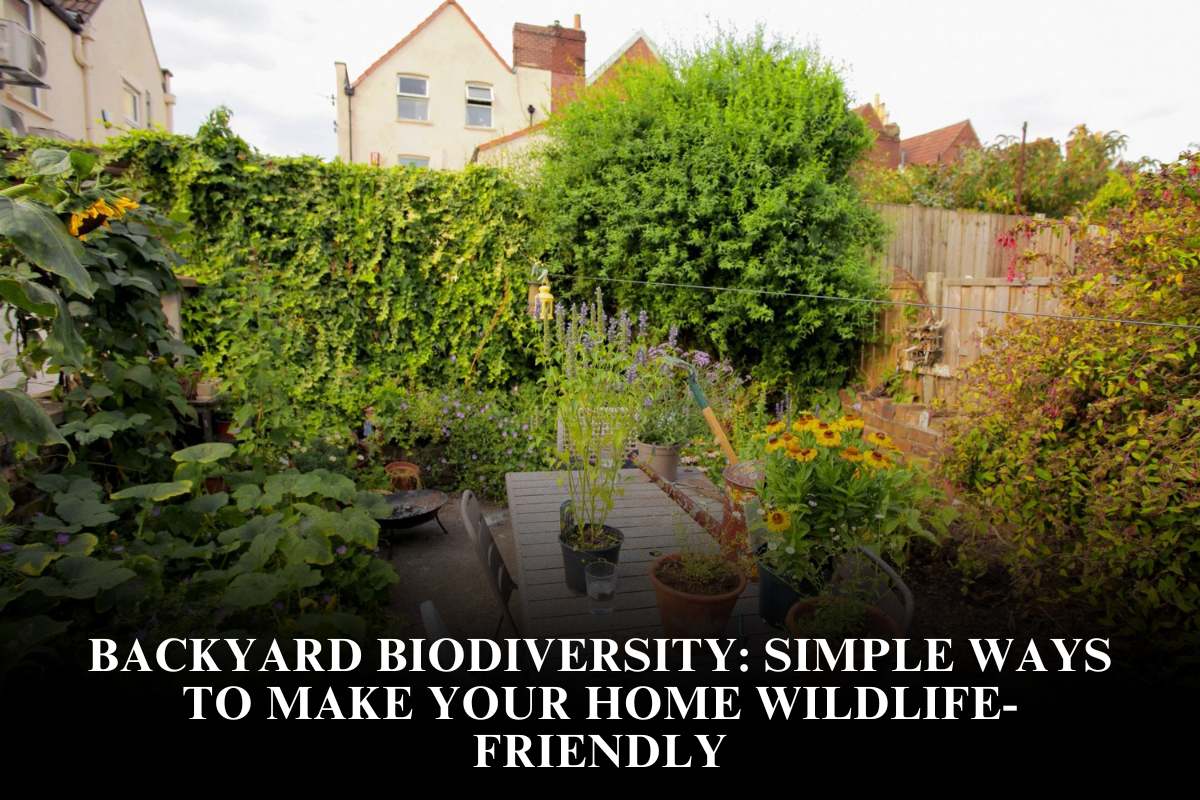
Creating a wildlife-friendly backyard is an accessible way to support biodiversity, foster ecological balance, and enjoy the presence of native flora and fauna right outside your door.
By making simple adjustments to provide food, water, shelter, and nesting spaces, homeowners can turn their outdoor spaces into vital habitats that sustain a variety of wildlife species.
Providing Food Resources
Native plants are key to feeding local wildlife because they produce natural sources of food like nectar, berries, seeds, and nuts that native birds, insects, and mammals have evolved to depend on.
Incorporating a diverse mix of native trees, shrubs, and flowering plants like sumac, oak, or milkweed attracts pollinators such as bees and butterflies, as well as seed-eating birds. Supplementing with bird feeders during winter or dry seasons also helps maintain energy availability.
Ensuring Water Availability
Water is essential for drinking, bathing, and breeding. Backyard water features such as birdbaths, small ponds, or shallow dishes encourage wildlife visits.
Features should include sloping edges or stones to allow small animals such as amphibians and insects safe access. Collecting rainwater in safe containers reduces reliance on chemically treated tap water and provides a natural hydration source.
Creating Shelter and Nesting Sites
Shelter protects wildlife from predators and harsh weather while offering safe places for resting and reproduction. Brush piles made from leaves and tree limbs, piles of rocks or logs, and dense shrubs provide excellent hiding places for insects, small mammals, reptiles, and birds.
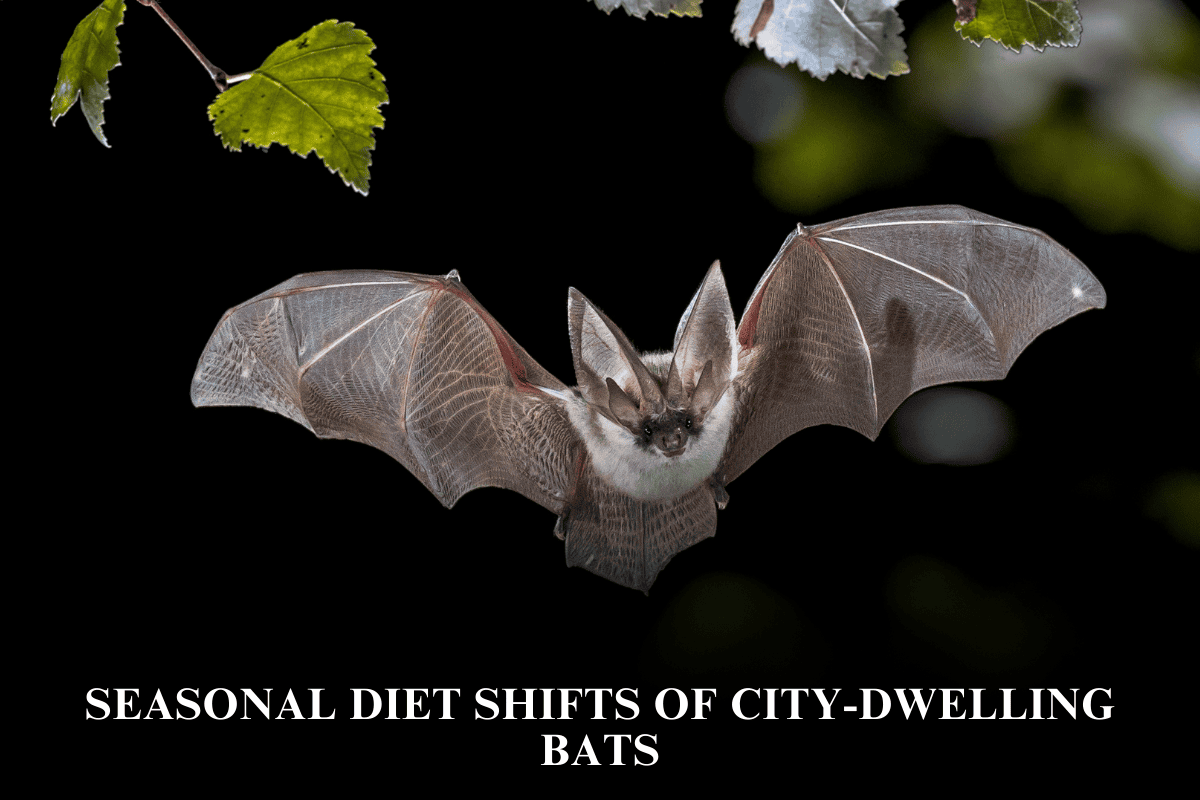
Installing birdhouses, bat boxes, and insect hotels diversified with natural materials creates additional habitats encouraging year-round use.
Hedges composed of native species not only supply food but also serve as corridors that support movement and connectivity for wildlife, fostering a resilient urban ecosystem. Amphibian shelters – such as rock piles near water or underground hibernacula – accommodate cold-season shelter needs.
Encouraging Diversity Through Varied Habitats
Creating variability within the yard, from sunny open patches to shaded areas with understory plants, mimics natural landscapes and attracts a broader range of species.
Incorporating wildflower meadows, native grasses, and mini wetlands within garden plots adds ecological complexity and temporal food sources, supporting insects and the birds or small mammals that feed on them.
Minimizing pesticide and herbicide use protects pollinators and maintains the natural food web balance. Composting organic waste supports soil organisms, ultimately enhancing plant health and sustainability.
Frequently Asked Questions
Q. What native plants are best for a wildlife-friendly backyard?
Choose species adapted to your local climate and soil, such as oak, milkweed, wildflowers, and native shrubs that provide food and shelter year-round.
Q. How important is water for backyard wildlife?
Extremely important. Providing clean, accessible water sources supports drinking, bathing, and breeding activities for many animals.
Q. Can small backyards support wildlife?
Yes, even small spaces with varied plants and structures can provide critical resources for insects, birds, and small mammals, especially if they connect with other green areas.
Q. How do shelters like brush piles benefit wildlife?
They provide vital refuge from predators and weather, nesting sites, and spots for hibernation and rearing young.
Q. Why avoid pesticides in wildlife-friendly gardens?
Pesticides harm beneficial insects and disrupt food chains, reducing biodiversity and ecosystem health.