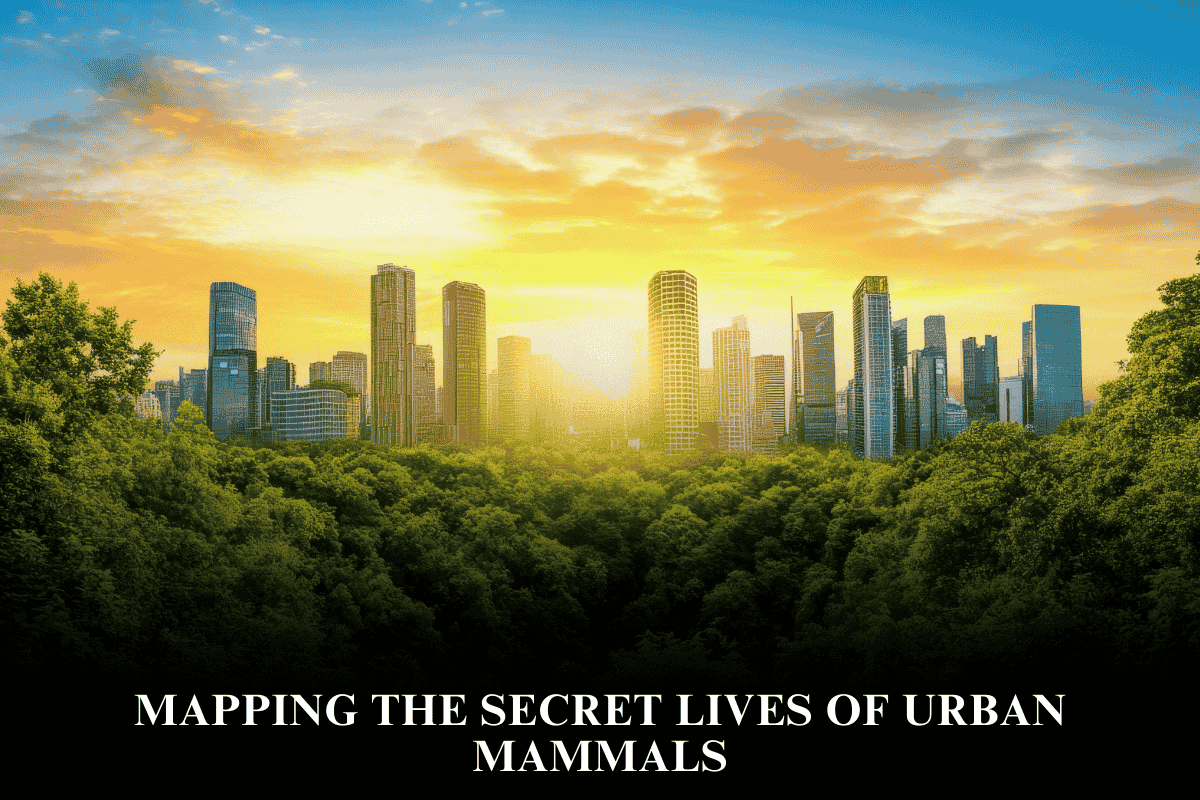
Urban wildlife plays a crucial role in connecting regional ecosystems by moving beyond isolated city patches and contributing to landscape-scale ecological networks.
The concept of ecological connectivity emphasizes the importance of linking fragmented habitats through corridors, greenways, and natural pathways that traverse urban and suburban areas, enabling wildlife to disperse, migrate, and maintain viable populations.
How Urban Wildlife Connects Regional Ecosystems
- Wildlife Corridors in Urban Landscapes: Urban green spaces, parks, community gardens, and even street trees act as stepping stones or corridors linking larger natural habitats outside the city, sustaining gene flow and reducing inbreeding. For instance, the Greater Los Angeles Area has identified critical wildlife corridors essential for species like the mountain lion to move between habitat patches amid urban sprawl.
- Landscape Connectivity Models: Techniques such as GIS-based least-cost path analysis and circuit theory help identify priority areas for conservation that ensure animals’ safe passage through urban matrices, guiding land acquisitions and restoration efforts.
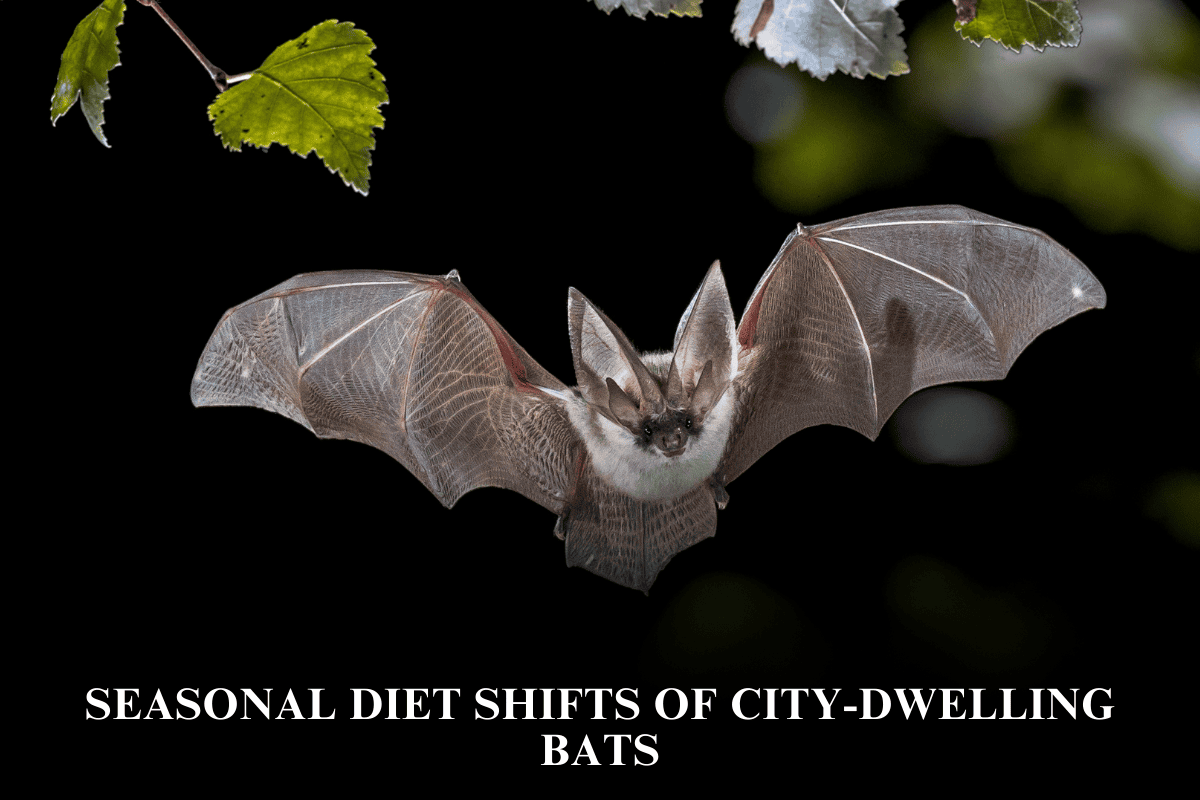
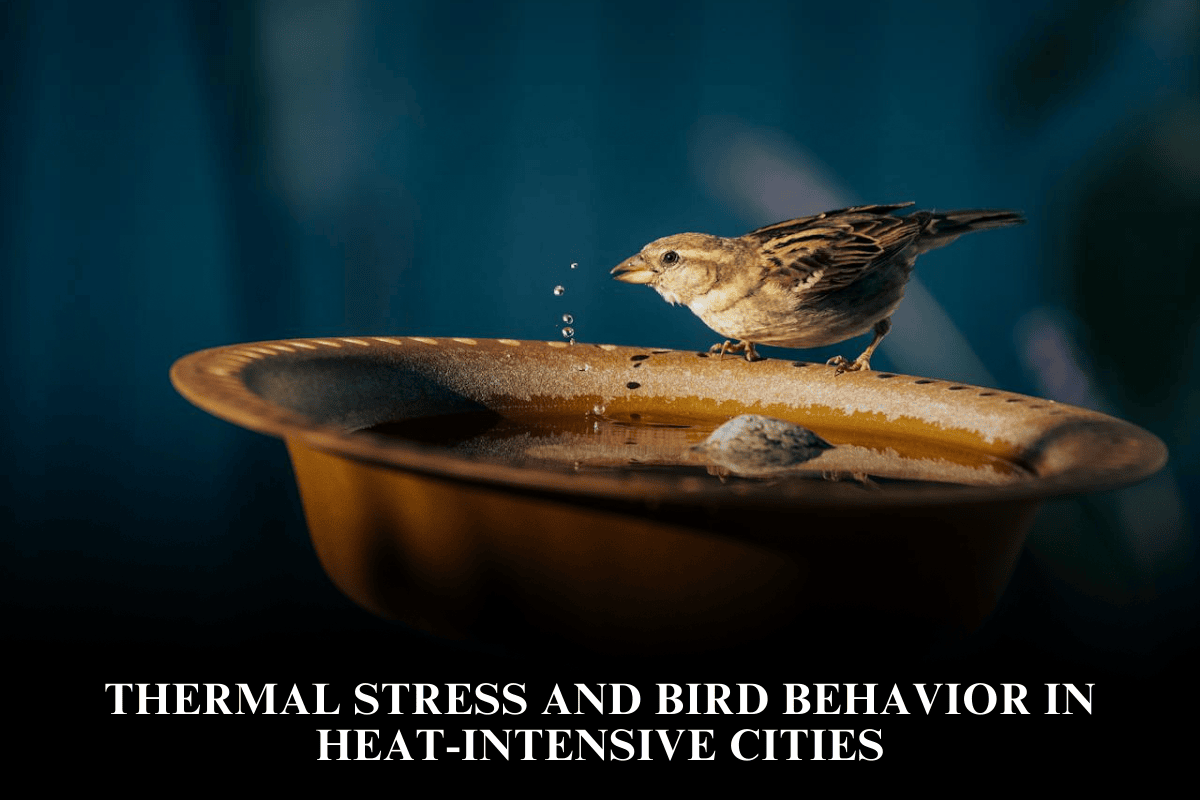
- Multispecies Approaches: Planning at the regional scale considers habitat needs for various taxa—from birds and bats capable of flight to terrestrial mammals and reptiles needing specific ground cover—promoting inclusive connectivity networks.
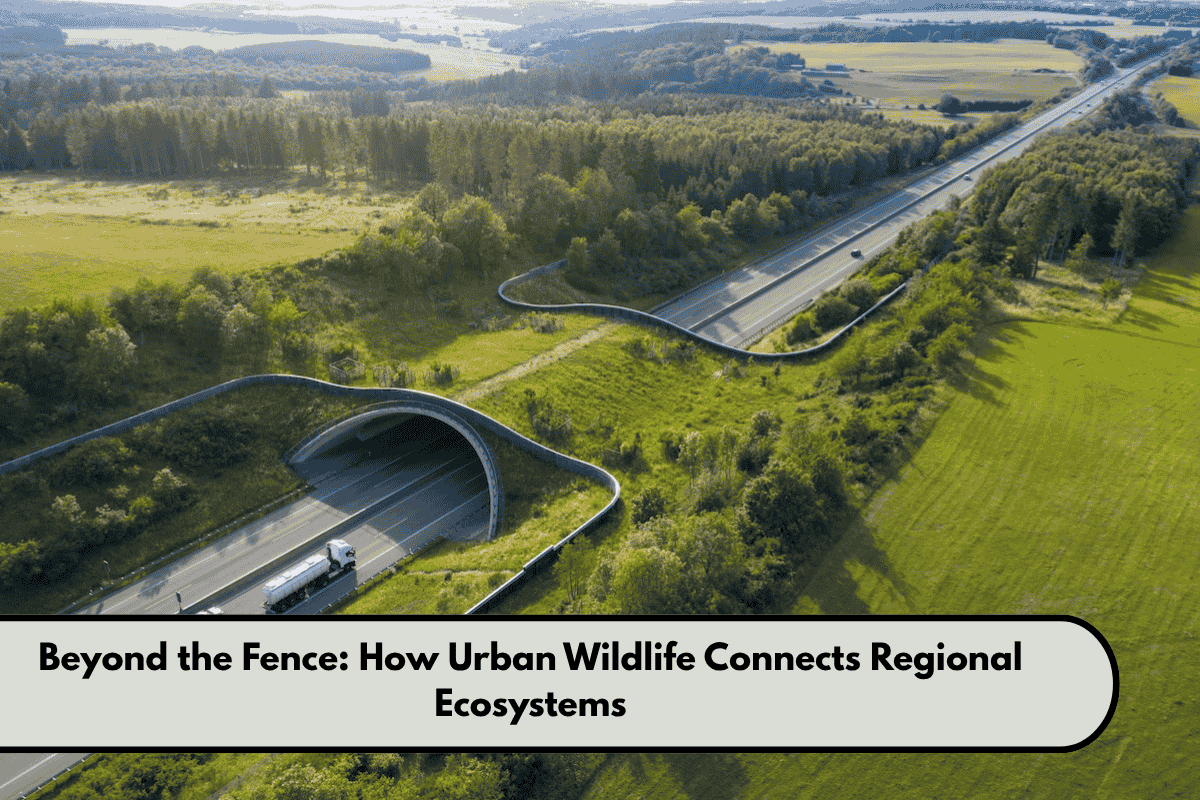
- Balancing Human and Ecological Needs: Urban wildlife corridors are designed to minimize conflicts by including underpasses, overpasses, and vegetated pathways while considering human recreational uses, infrastructure, and social values.
- Urban Areas as Critical Nodes: Cities can serve as important refuges and transit zones in broader ecological networks, especially where surrounding landscapes are fragmented by agriculture or development. Supporting urban biodiversity thus contributes to regional conservation outcomes.
FAQs
Q1: What are wildlife corridors?
Linear habitat features that connect isolated patches, facilitating animal movement and genetic exchange.
Q2: How do urban habitats support regional connectivity?
Through green spaces, waterways, and corridors that function as stepping stones bridging larger natural areas.
Q3: Why is connectivity important for wildlife?
It reduces population isolation, supports dispersal, and maintains ecological processes and species survival.
Q4: How do cities balance connectivity with urban development?
By integrating wildlife crossings, multi-use greenways, and adaptive planning that account for ecological and human needs.
Q5: Can urban wildlife contribute to regional conservation goals?
Yes, urban areas act as refuges and transit zones, playing a vital role in broader ecosystem networks.