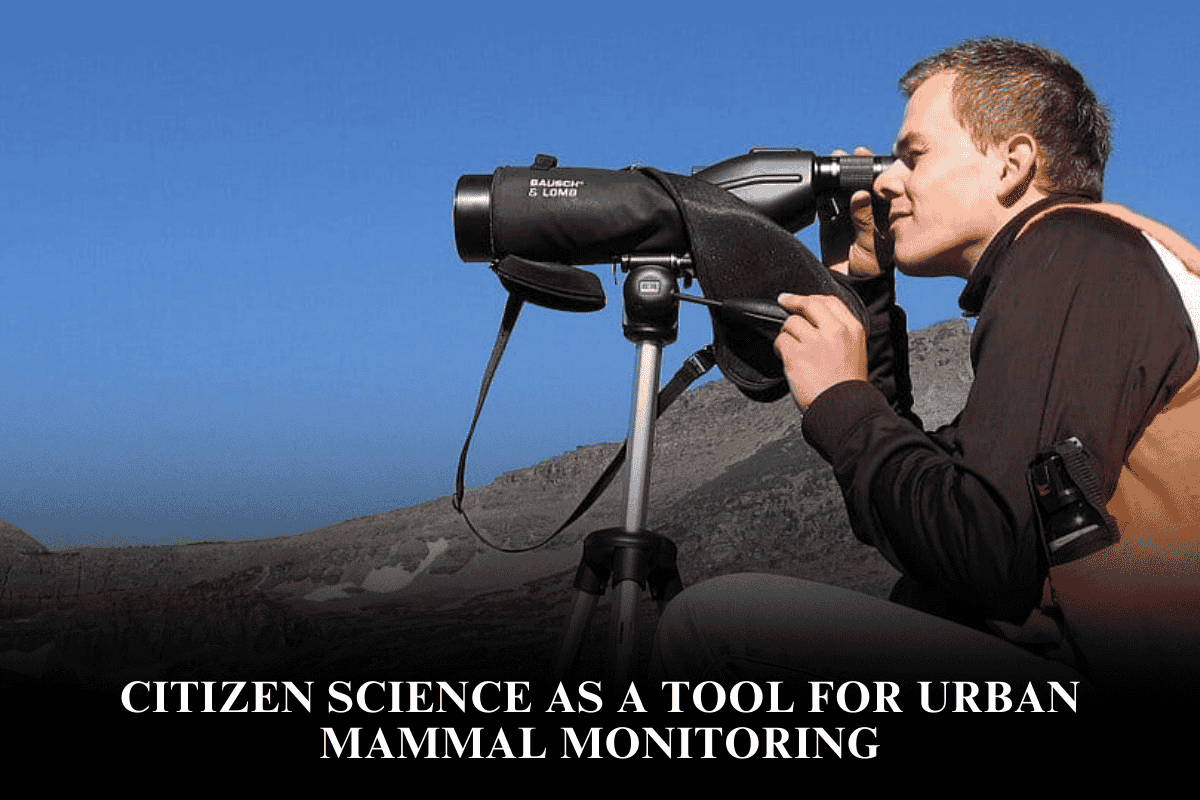
Citizen science has emerged as a highly effective and scalable tool for monitoring urban mammal populations by engaging community members in data collection and classification using technologies such as camera traps and mobile apps. It democratizes wildlife research, increases data volume, and enhances spatial and temporal coverage of mammal monitoring in city environments.
How Citizen Science Supports Urban Mammal Monitoring
- Remote Camera Trapping: Volunteers deploy camera traps in parks, green spaces, and urban natural areas to capture images of nocturnal and elusive mammals. Citizen scientists then classify these photos using online platforms, achieving accuracy comparable to professional ecologists when multiple classifications are aggregated.
- Spatial and Temporal Data Collection: Community scientists contribute observations and data across varied urban landscapes and over long periods, enabling identification of population trends, habitat use, and behavior adaptations of mammals within cities.
- Public Engagement and Awareness: Involving the public fosters environmental stewardship, educates urban residents about local biodiversity, and strengthens connections between people and urban nature.
- Cost-Effectiveness: Citizen science reduces resource demands for city wildlife departments or researchers by crowd-sourcing labor-intensive tasks like data sorting and classification.
- Data for Management and Conservation: Aggregated citizen-collected data inform urban planners and conservationists’ decisions regarding habitat preservation, urban green space planning, and conflict mitigation strategies.
Examples of Citizen Science Platforms
- MammalWeb (UK & international) for remote camera data collection and species classification.
- StadtWildTiere, a transnational European project to monitor urban wildlife diversity via reports and sightings from the public.
- Local urban ecology centers offering community-led surveys measuring mammal activity and diversity.
FAQ: Citizen Science for Urban Mammal Monitoring
Q: How accurate are citizen scientist observations?
A: With proper tools, tutorials, and aggregation methods, citizen classifications can reach over 95% accuracy compared to professional ecologists.
Q: Can anyone participate in urban mammal citizen science?
A: Yes, most projects welcome individuals regardless of expertise, providing training and simple interfaces to identify species.
Q: What equipment is required?
A: Typically remote camera traps and a smartphone or computer for data upload and classification; some projects use smartphone apps for direct sightings.
Q: How does citizen science benefit urban conservation?
A: Data collected helps identify species presence, population changes, and habitat use, supporting city wildlife management and policy.
Q: Are there challenges using citizen science for mammal monitoring?
A: Challenges include data quality assurance, volunteer retention, and ensuring equitable participation across communities; these are addressed with training, careful data validation, and inclusive outreach.