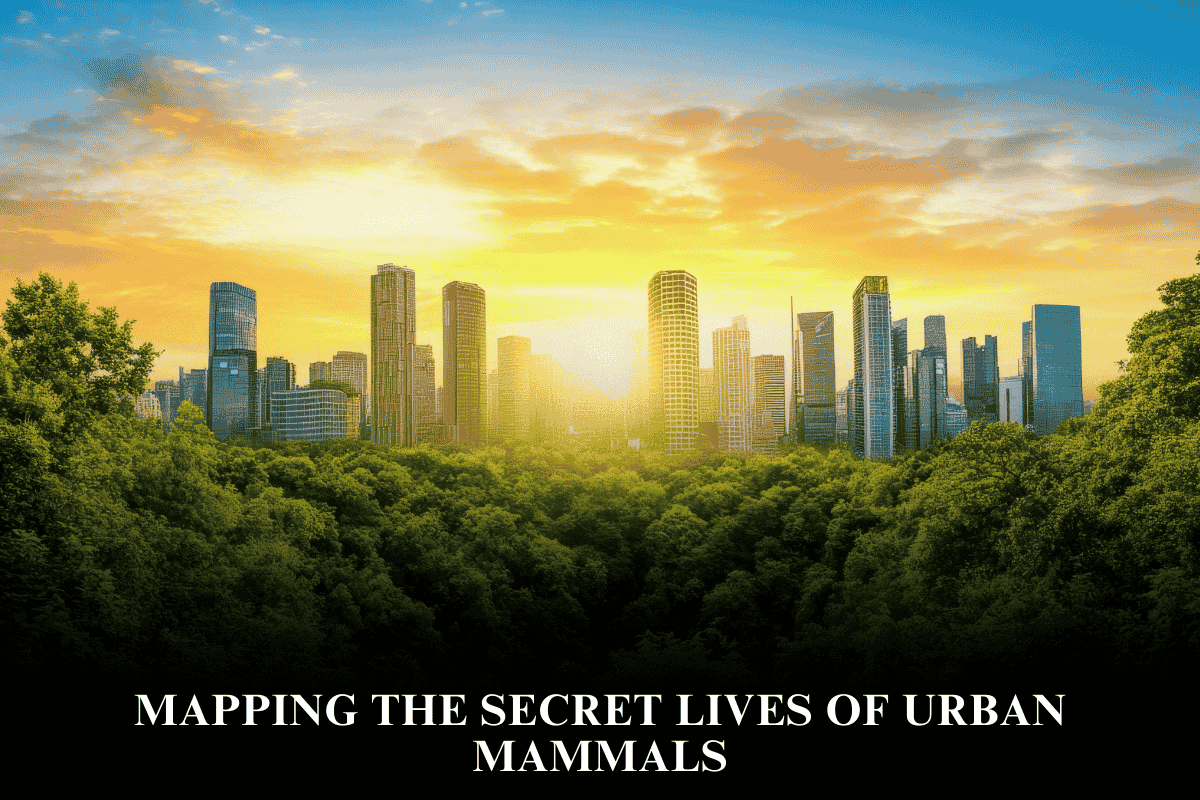
Citizen science is increasingly empowering communities to map and monitor urban nature, creating detailed biodiversity datasets that inform conservation, urban planning, and public awareness.
Through smartphone apps, online platforms, and community events, residents actively collect data on local flora, fauna, and green spaces, bridging the gap between scientific research and local knowledge. These efforts help identify biodiversity hotspots, track changes over time, and guide sustainable urban development.
How Communities Map Urban Nature through Citizen Science
- Participatory Data Collection: Citizens use apps like iNaturalist, UMAPIT, and others to record wildlife sightings, plant species, and ecological conditions. This broad grassroots data collection complements professional research by covering wide geographic areas and capturing temporal changes.
- Community-Driven Monitoring: Urban biodiversity surveys and bioblitzes engage participants in biodiversity inventories of parks, gardens, and neighborhoods. These events foster environmental stewardship and deepen residents’ connection to local ecosystems.
- Data Integration and Analysis: Citizen-collected data integrates with municipal information systems and scientific databases, enabling policymakers and planners to make informed decisions about habitat protection, urban design, and environmental management.
- Technological Enhancements: AI and machine learning assist in validating citizen submissions, species identification, and error detection, improving data reliability and user engagement. Standardized data protocols support interoperability of datasets across cities and regions.
- Filling Data Gaps and Promoting Equity: Citizen science helps uncover underrepresented areas and species, although disparities in participation tied to socioeconomic factors remain challenges. Strategies to increase inclusivity and community representation are critical.
FAQs
Q1: What is citizen science in urban nature mapping?
Citizen science involves public participation in collecting and analyzing data about urban biodiversity to expand knowledge for conservation and planning.
Q2: How can communities contribute?
By recording observations of plants, animals, and habitats using apps, participating in biodiversity surveys or bioblitzes, and sharing data with local governments or researchers.
Q3: What are common tools for citizen science?
Mobile apps like iNaturalist, UMAPIT, and web platforms that allow easy reporting and identification of species.
Q4: How does citizen science data help cities?
It informs biodiversity conservation, urban green space planning, habitat restoration, and climate resilience strategies by providing fine-scale, up-to-date ecological data.
Q5: Are there challenges to citizen science?
Yes, including uneven participation across communities, data quality concerns, and the need for ongoing engagement and technical support.