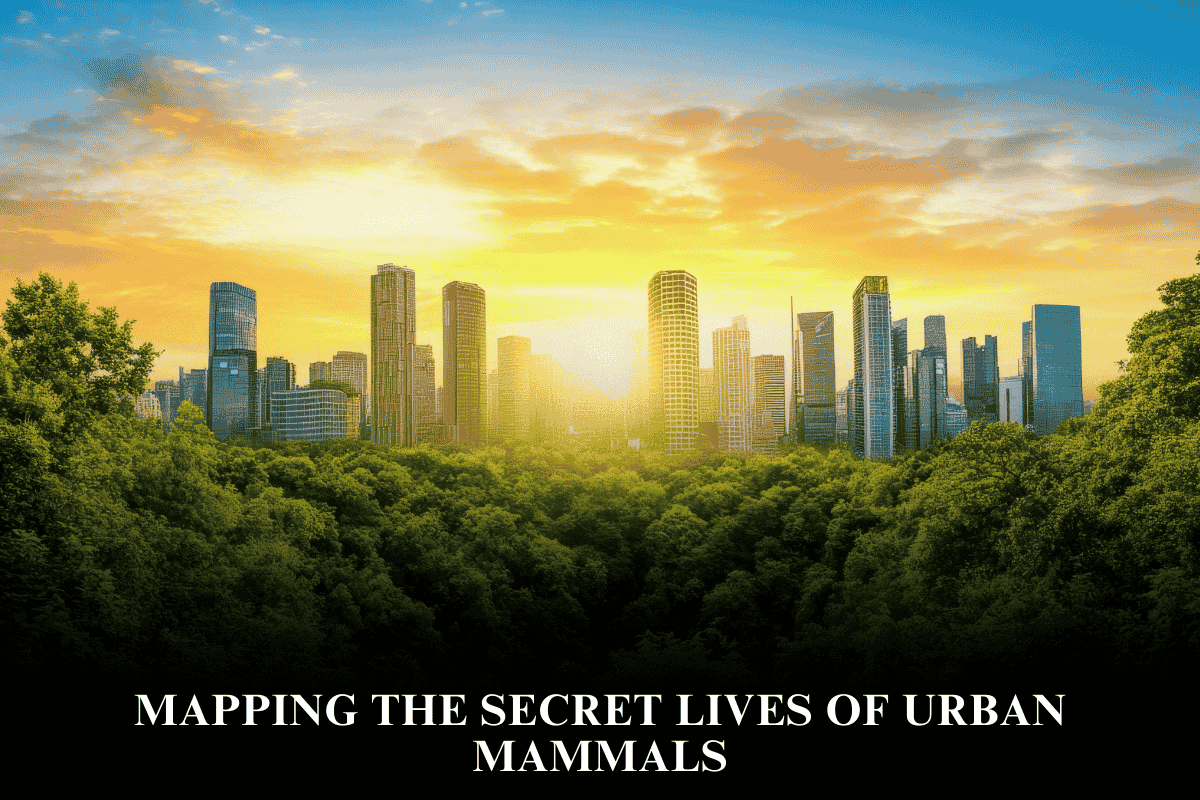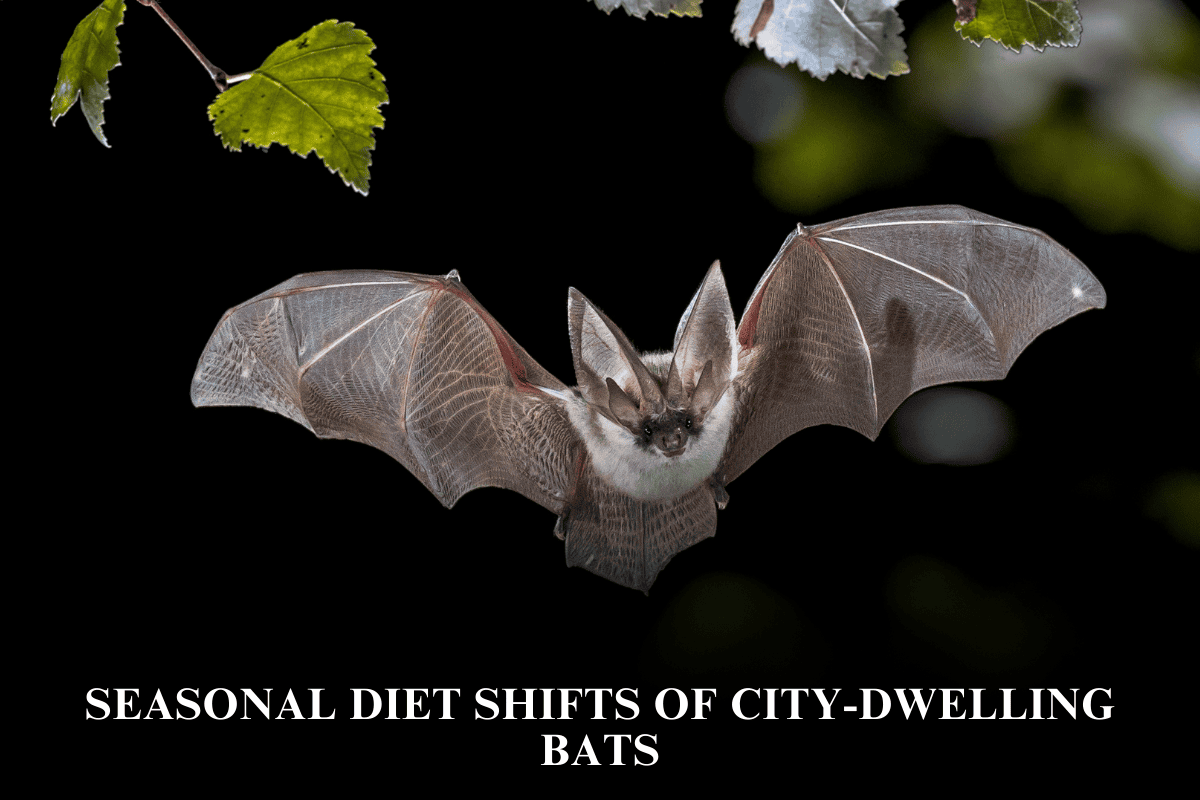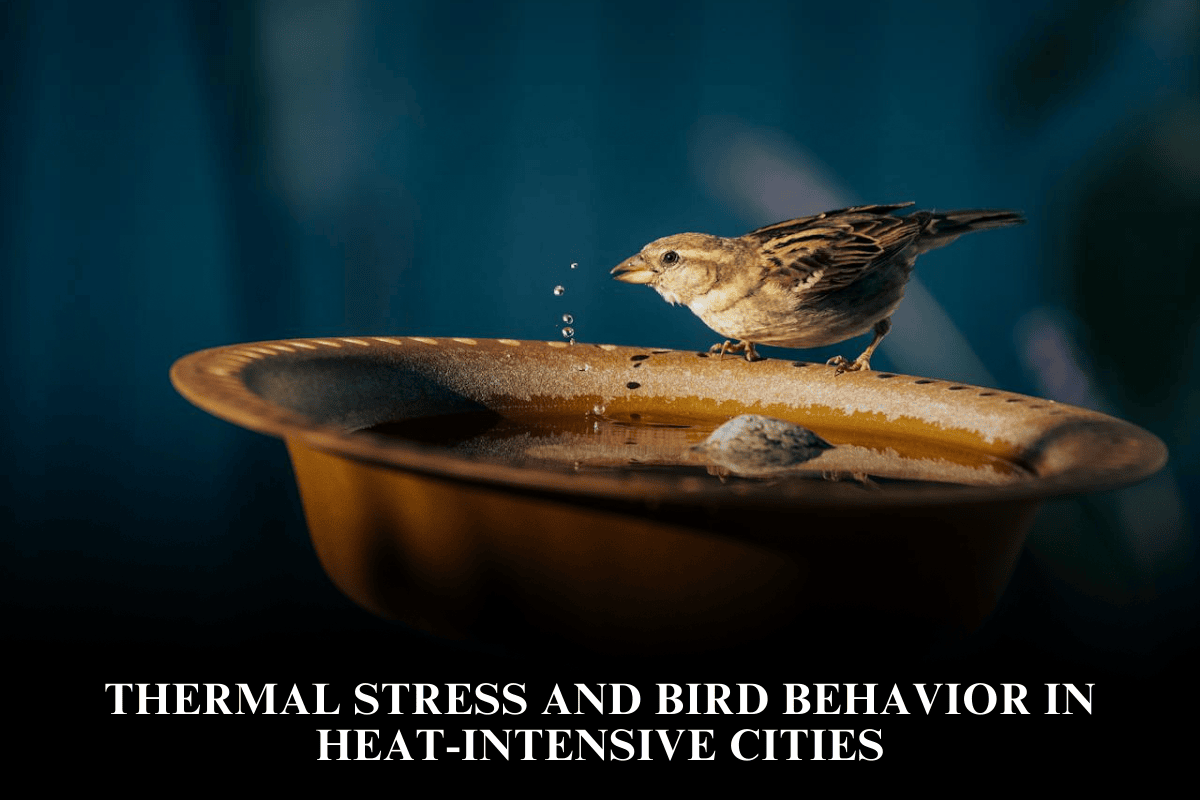
Urban wildlife demonstrates remarkable climate resilience by adapting in various ways to the challenges of urban heat, while green infrastructure plays a vital role in mitigating heat impacts for both nature and city residents.
How Wildlife and Nature Adapt to Urban Heat
- Behavioral Adaptations: Animals alter behaviors such as shifting activity to cooler nighttime hours, seeking shade in parks or tree canopies, and using water sources to regulate body temperature. For example, urban mammals conserve water and spend more time resting during peak heat.
- Physiological Adaptations: Some species evolve tolerance to higher temperatures through changes in heat shock proteins or body size, enhancing survival in warmer urban microclimates.
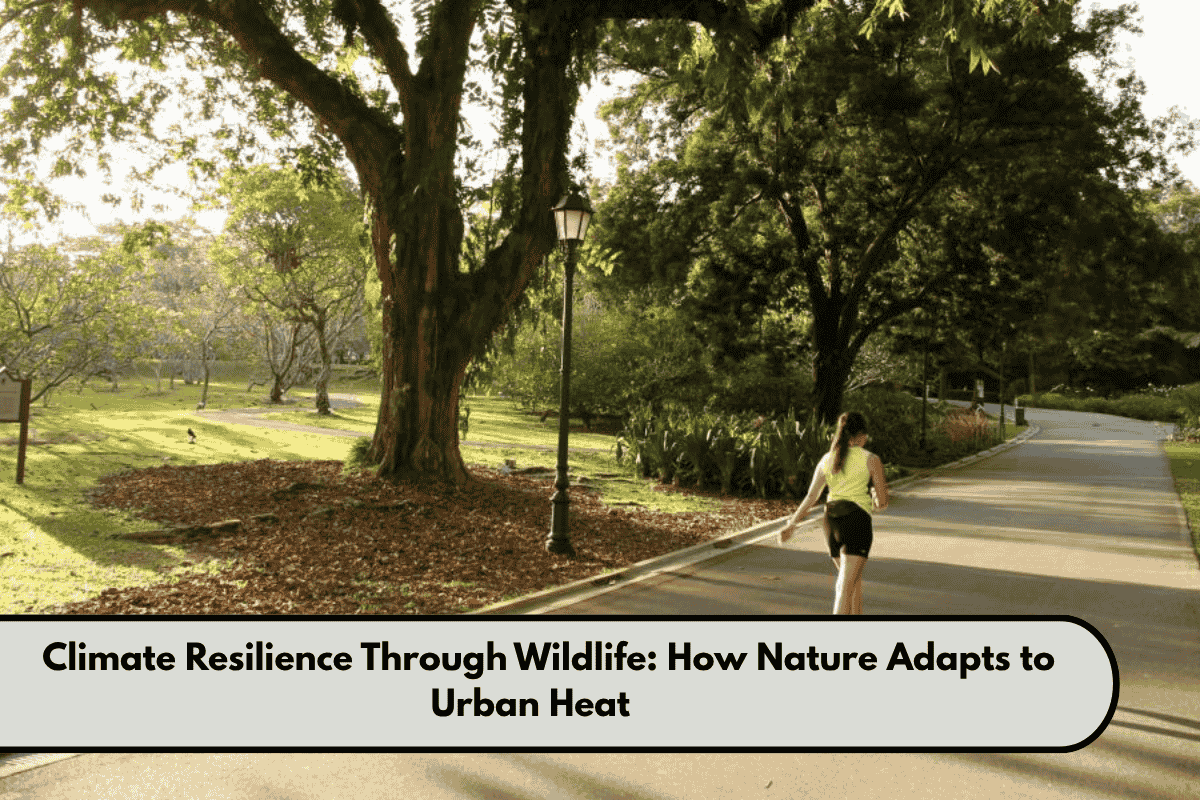
- Habitat Use: Wildlife preferentially uses green spaces, wetlands, and water bodies, which provide critical cooling refuges in cities exhibiting urban heat island effects. Canopy cover also reduces ground temperatures, supporting diverse species.
- Urban Heat Island Effect: Cities can be several degrees warmer than surrounding rural areas due to heat absorption by impervious surfaces. This creates thermal stress on wildlife but also opportunities for adaptation where green infrastructure exists.
- Role of Green Infrastructure: Vegetation on streets, parks, green roofs, and walls cools urban areas through shade and evapotranspiration, directly mitigating heat stress on wildlife and people. Studies show green roofs can reduce surface temperatures by 2–9°C, easing urban heat challenges.
- Ecological Consequences: Heat-induced shifts in timing of breeding, foraging, and migration can disrupt food webs and reduce biodiversity if species cannot adapt rapidly enough.
FAQs
Q1: How do urban animals adapt to heat?
By shifting activities to cooler times, seeking shade and water, and physiological adaptations to heat.
Q2: What is the urban heat island effect?
Urban areas absorb and retain heat, causing higher temperatures than surrounding rural zones.
Q3: How does green infrastructure help?
Green roofs, trees, and parks cool cities through shade and evapotranspiration, reducing temperatures by several degrees.
Q4: Why is heat a challenge for wildlife?
High temperatures cause stress, alter behaviors, and disrupt ecological interactions, threatening species survival.
Q5: Can cities improve wildlife resilience to heat?
Yes, by increasing green spaces, protecting water sources, and implementing urban design that promotes cooling.