Community-led conservation through citizen science has become a powerful tool for protecting urban wildlife in the United States.
These projects harness the efforts of everyday people to monitor and conserve wildlife living in and around cities, where urbanization presents unique challenges and opportunities for biodiversity.
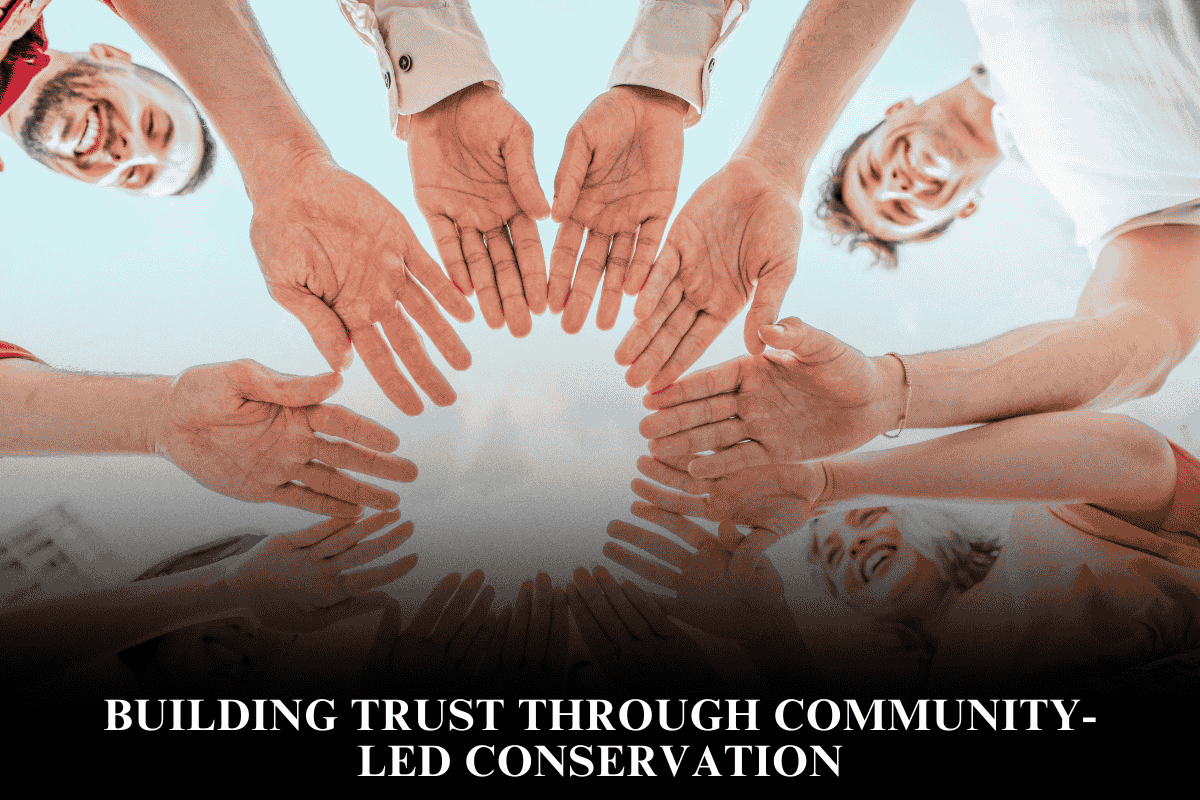
Citizen science encourages local communities to become stewards of nature by collecting data, reporting sightings, and participating in habitat restoration, which has led to notable successes in urban wildlife conservation.
Urban Wildlife and Citizen Science
Urban areas host diverse wildlife species, including birds, mammals like raccoons and squirrels, amphibians, and pollinators. Citizen science projects engage residents in collecting wildlife observations using apps such as eBird and iNaturalist, providing large-scale, cost-effective data across space and time.
This collaborative approach has been critical during periods when expert fieldwork is limited, such as during the COVID-19 lockdowns, enabling continuous monitoring of wildlife populations and behaviors near urban settlements.
Programs like the U.S. Fish and Wildlife Service’s Urban Wildlife Conservation Program focus on connecting communities with nature by improving urban habitats.
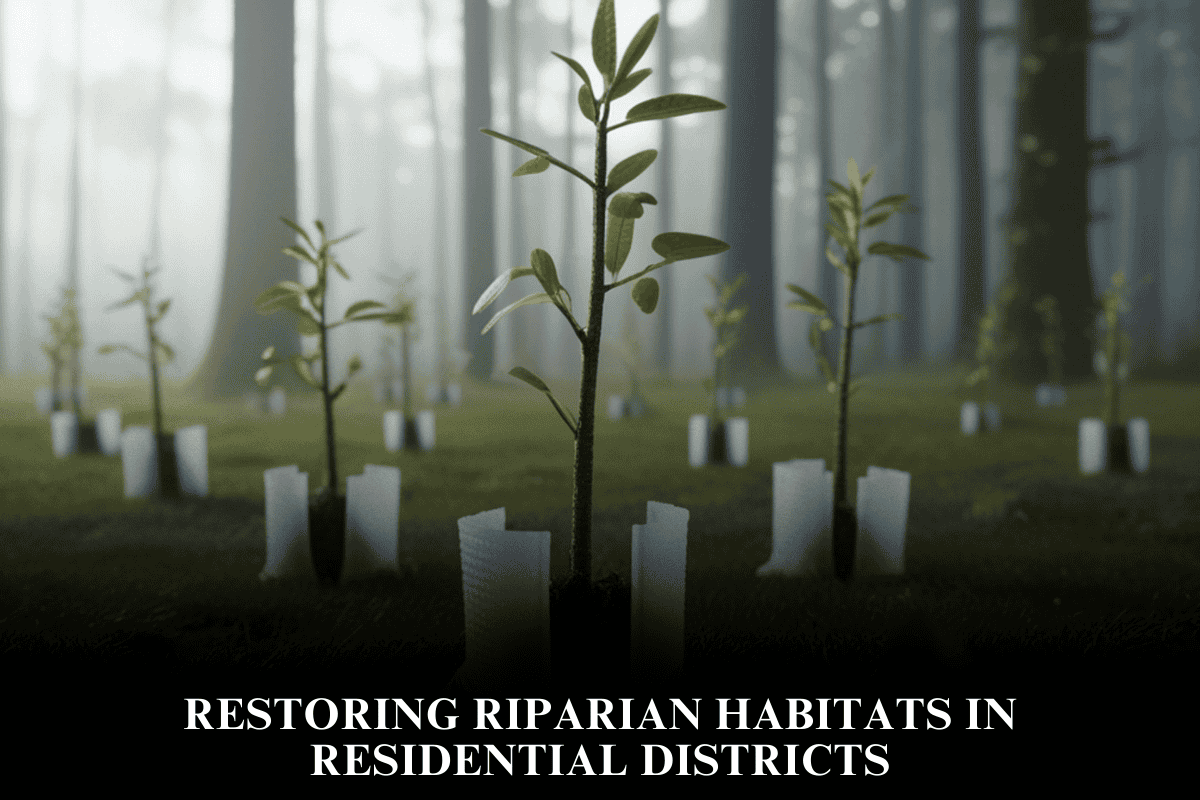
These efforts include creating green spaces, restoring wetlands, and fostering wildlife corridors that benefit native species while enhancing people’s quality of life.
Community members play key roles in these efforts by volunteering, providing local knowledge, and raising awareness about urban biodiversity.
Success Stories from Urban Citizen Science
One of the most celebrated successes is the eBird platform, which revolutionized bird monitoring by enabling bird enthusiasts to contribute millions of observations nationwide.
This data has informed migratory pattern research, species distribution changes, and conservation status assessments.
In New Haven, Connecticut, the Urban Oases Project brought together citizens to restore parks and neighborhood greenspaces, benefiting birds and other native species.
Such grassroots efforts evolve into networks of urban green areas that support biodiversity and community well-being.
In New Jersey, the Conserve Wildlife Foundation has worked with local youth groups and communities to restore critical habitats in urban parks, enhancing pollinator meadows and wetland areas.
These initiatives also integrate digital tools for citizens to document wildlife, broadening engagement and data collection.
Citizen science has also been instrumental in identifying and managing threats to urban wildlife, such as invasive species and habitat degradation.
Communities involved in monitoring provide early warnings and help guide rapid responses, making conservation efforts more effective and adaptive.
FAQs
What is citizen science, and how does it help urban wildlife?
Citizen science involves public participation in scientific research, especially in data collection. For urban wildlife, it helps gather extensive information across cities that would be difficult for scientists alone, improving knowledge and conservation actions.
How can I get involved in urban wildlife citizen science projects?
Many projects use smartphone apps like eBird, iNaturalist, and Project FeederWatch where you can report wildlife sightings. Local wildlife refuges, parks, and conservation groups often organize volunteer events and educational programs.
What types of wildlife benefit from these conservation projects?
Birds, small mammals like raccoons and squirrels, reptiles, amphibians, pollinators, and even urban-adapted larger mammals benefit from habitat restoration, monitoring, and reduced threats in cities.
Are urban wildlife habitats important?
Yes, urban habitats provide refuge for many species and support biodiversity. They also offer educational, recreational, and mental health benefits for city residents by maintaining connections to nature.
Can citizen science data influence policy?
Absolutely. Large-scale datasets from citizen scientists help inform wildlife management decisions, urban planning, and conservation policies by providing evidence-based insights into species abundance, distribution, and threats.