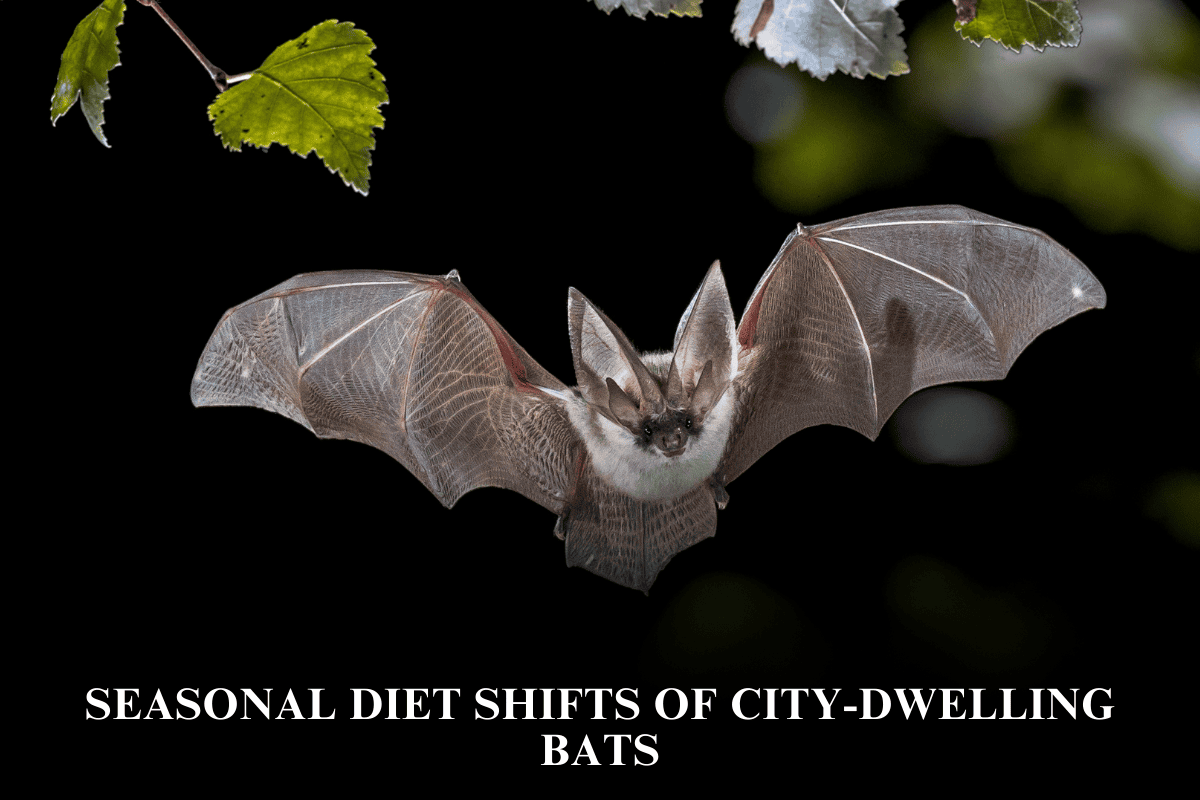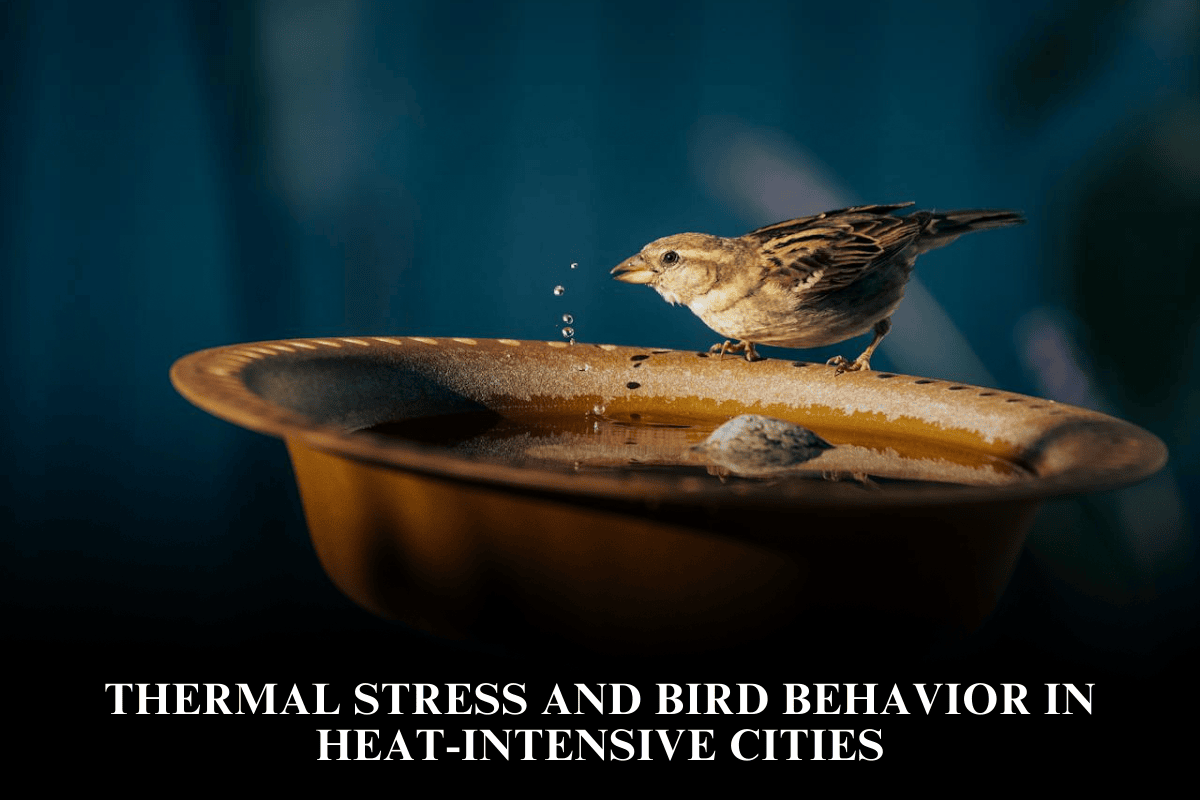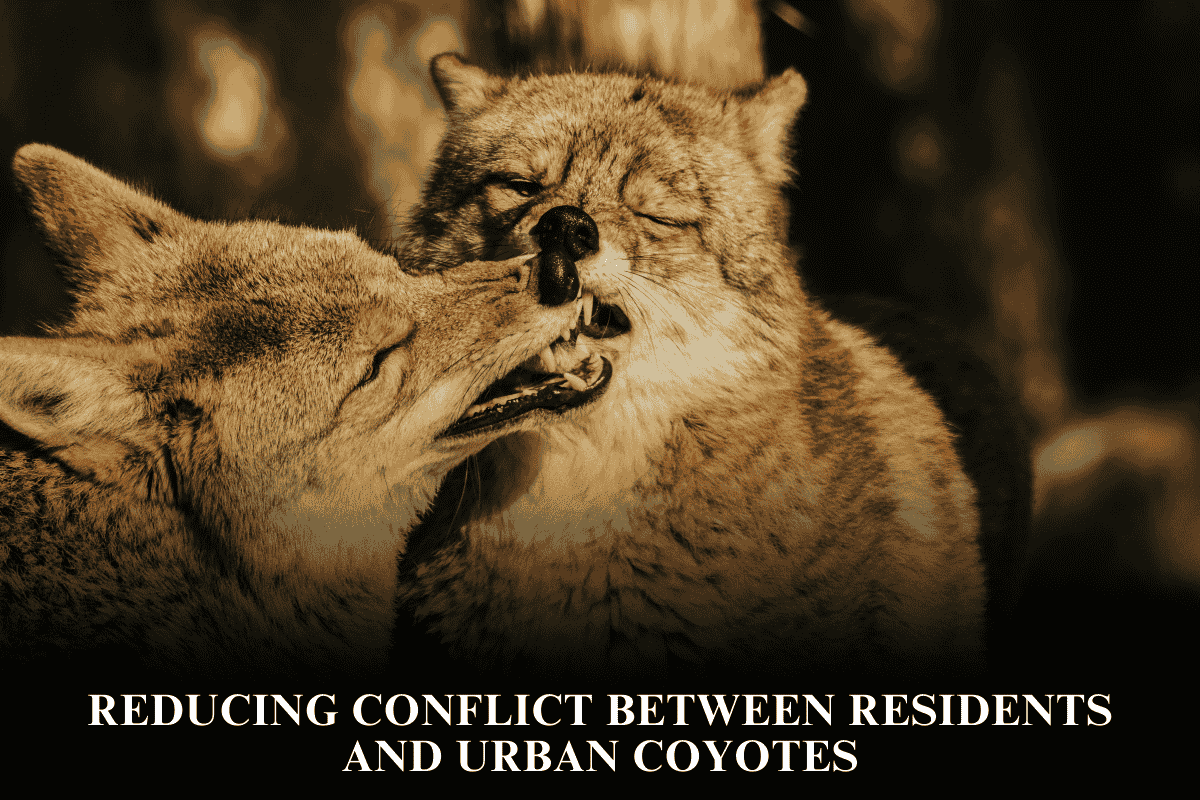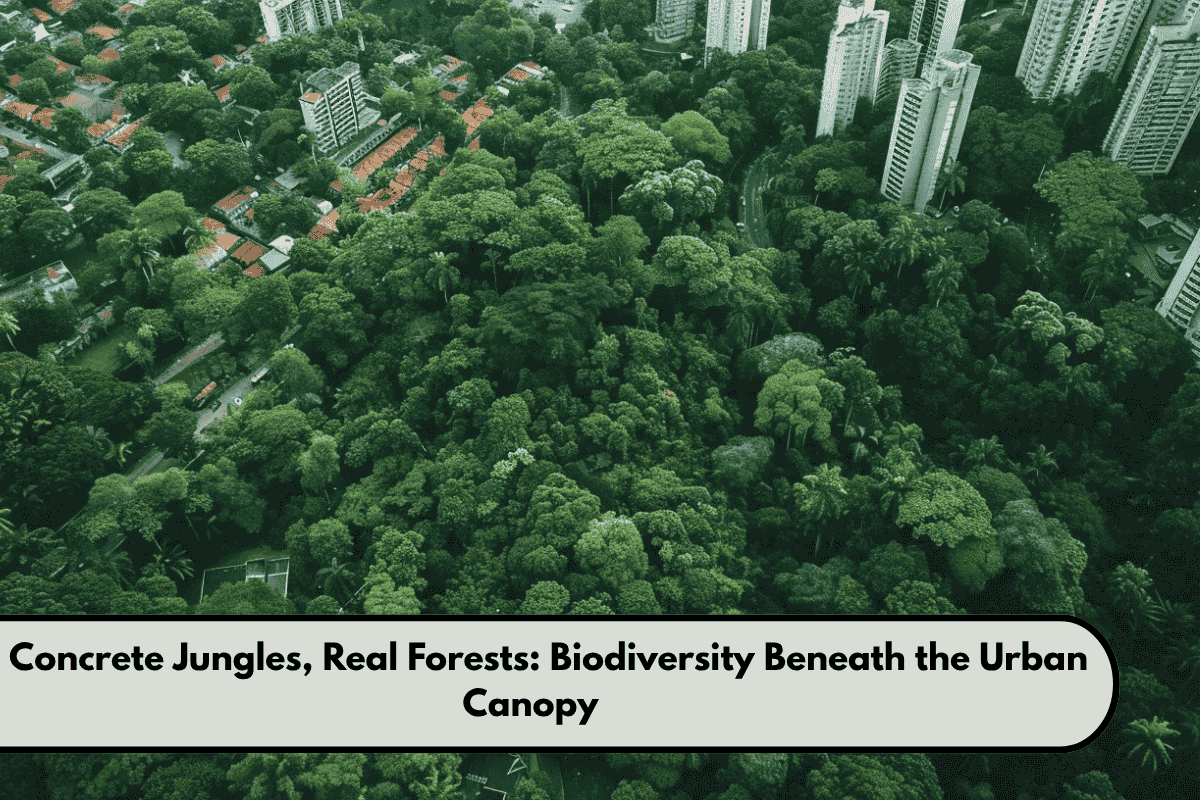
Biodiversity beneath the urban canopy thrives in the intricate ecosystems formed by trees and green spaces in cities. Urban forests and tree canopies provide essential habitat, food, and shelter for diverse wildlife, including birds, insects, mammals, reptiles, and amphibians.
These green networks function as vital lifelines in otherwise concrete-dominated environments, supporting ecological balance and enhancing urban resilience.
Importance of Biodiversity Beneath the Urban Canopy
- Habitat and Shelter: Urban trees create habitats not just for birds and mammals but also insects, amphibians, and reptiles. Features like tree cavities, bark, leaves, and roots support nesting, foraging, and hibernation. Even deadwood plays a critical ecological role.
- Biodiversity Hotspots: Connected urban tree canopies and forests increase biodiversity by linking patches of green areas. This connectivity facilitates wildlife movement, gene flow, and ecosystem stability. Studies have shown neighborhoods with more extensive canopy cover have significantly higher bird and insect diversity.
- Ecosystem Services: Beyond wildlife support, urban trees improve air quality, reduce heat islands, mitigate noise pollution, and manage stormwater. These benefits bolster urban environmental health, indirectly benefiting biodiversity and residents alike.
- Environmental Justice and Equity: The distribution of tree canopy cover often correlates with socioeconomic factors, with underserved communities having fewer trees and less biodiversity access. Efforts are underway to address these disparities, recognizing equitable urban greening as both an environmental and social priority.
- Climate Resilience: Diverse urban forests with native and adaptive species enhance resilience to pests, diseases, and climate stresses. Enhancing tree species diversity reduces vulnerability and supports a broader range of wildlife.
FAQs
Q1: What types of wildlife use urban tree canopies?
Birds, insects (pollinators and others), small mammals, amphibians, and reptiles all rely on tree canopies for habitat and food.
Q2: How do urban tree corridors benefit biodiversity?
They connect fragmented habitats, allowing safe movement and genetic exchange among wildlife populations.
Q3: Why is tree species diversity important in cities?
Diversity helps resist pests, diseases, and climate change impacts while supporting diverse wildlife needs.
Q4: How do urban trees improve human living conditions?
By cooling neighborhoods, cleaning air, reducing noise, and managing stormwater, benefiting both people and wildlife.
Q5: Are tree canopies distributed evenly in cities?
No, canopy cover is uneven, often lower in low-income or minority neighborhoods, prompting equity-focused greening initiatives.