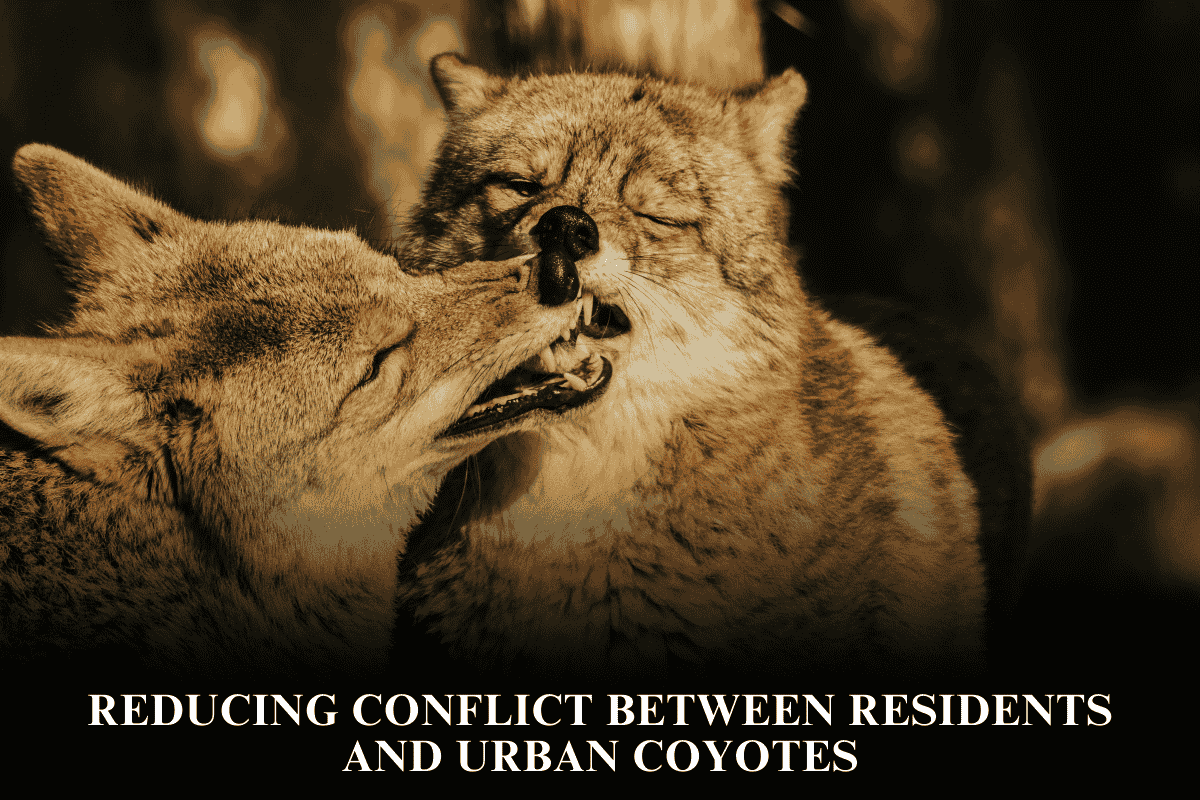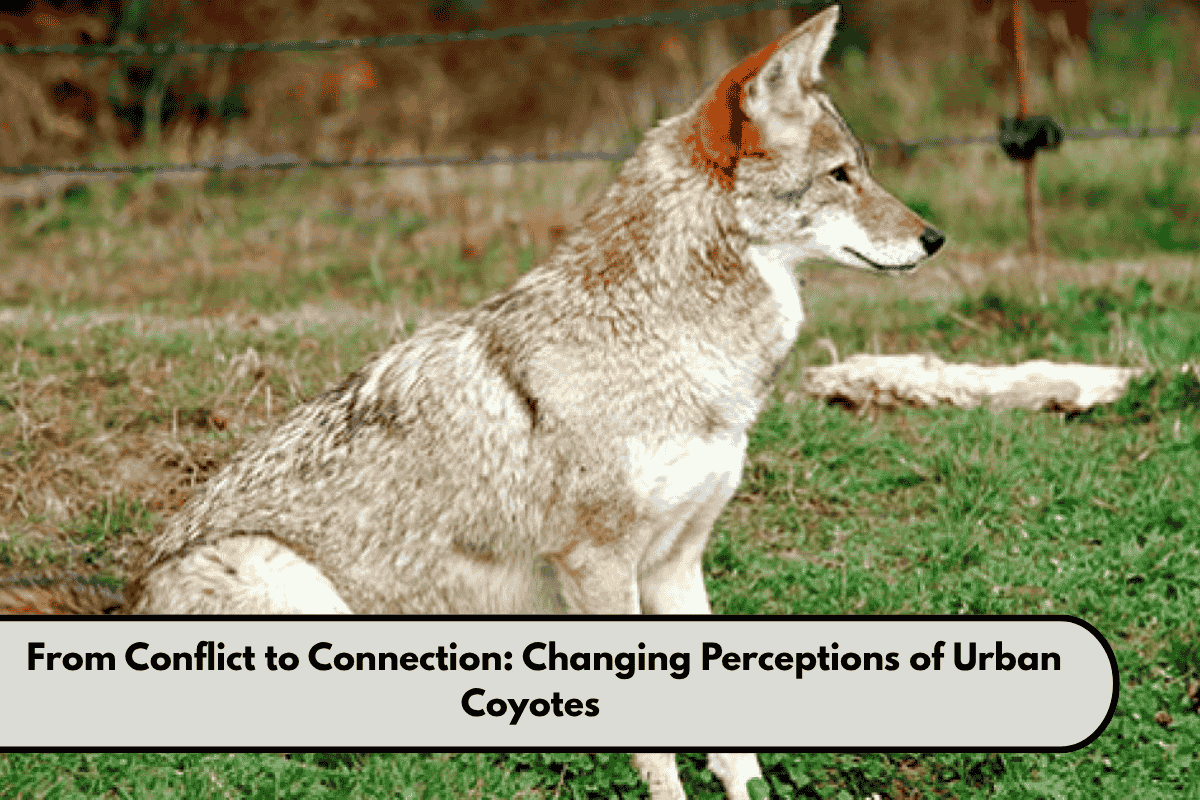
Urban coyotes have long been viewed with fear and as pests, but changing perceptions are paving the way from conflict to coexistence. Public attitudes strongly affect whether coyotes are seen as threats or valued urban wildlife.
Increasingly, education, media narratives, and community outreach are encouraging understanding of coyotes’ ecological roles, leading to more tolerance and coexistence efforts.
Changing Perceptions of Urban Coyotes
- Historically, coyotes were often vilified as invasive nuisances threatening pets and safety, with media coverage amplifying fear through sensational stories of attacks.
- Recent research shows that positive emotional connections with nature and beliefs about coyotes belonging in urban environments predict support for coexistence, while fear and misinformation drive negative views.
- Community education programs focusing on coyote behavior, safe coexistence practices, and hazing (non-lethal deterrence) have been effective in reducing conflicts. Denver’s coyote management plan is a leading example, showing a decline in incidents after targeted outreach.
- Coyotes adapt by using green spaces, parks, and low-density residential areas. Feeding coyotes or leaving attractants increases habituation and conflict risks.
- Media narratives are gradually shifting from portraying coyotes as dangers to recognizing them as part of urban ecosystems, which positively influences public opinion.
- Successful coexistence requires understanding coyote ecology, avoiding unintentional feeding, securing attractants, and promoting a cultural acceptance that urban wildlife is a valuable part of cities.
FAQs
Q1: Why do people fear urban coyotes?
Fear mainly stems from concerns about attacks on pets or humans, amplified by negative media coverage and misinformation.
Q2: What drives positive attitudes toward coyotes?
Emotional connections to nature and beliefs that coyotes belong in urban environments increase tolerance and support coexistence.
Q3: How can conflicts with coyotes be reduced?
Education on coyote behavior, hazing techniques, securing garbage, and prohibiting feeding reduce habituation and conflicts.
Q4: What role does media play?
The media shapes public perceptions; shifting narratives from ‘problem animal’ to ‘urban resident’ influence coexistence positively.
Q5: Where do urban coyotes live?
They prefer green spaces such as parks, golf courses, and cemeteries, often avoiding high-density urban areas.