Local action plays a transformative role in urban wildlife conservation, evolving from volunteer-driven efforts into visionary movements that shape sustainable cityscapes and foster wide-reaching ecological impacts.
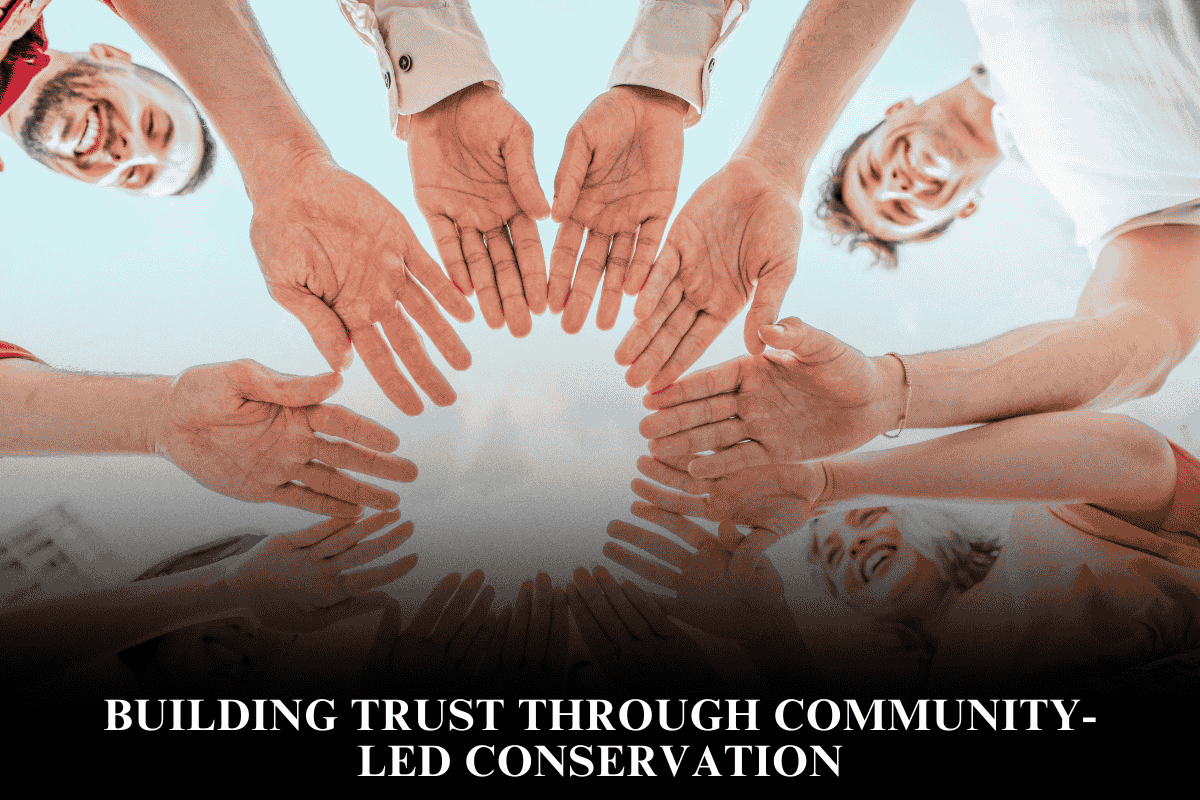
Community-led initiatives empower residents to steward their environments, advocate for green policies, and innovate in habitat restoration, weaving nature into the urban fabric.
The Power of Local Action in Urban Wildlife Conservation
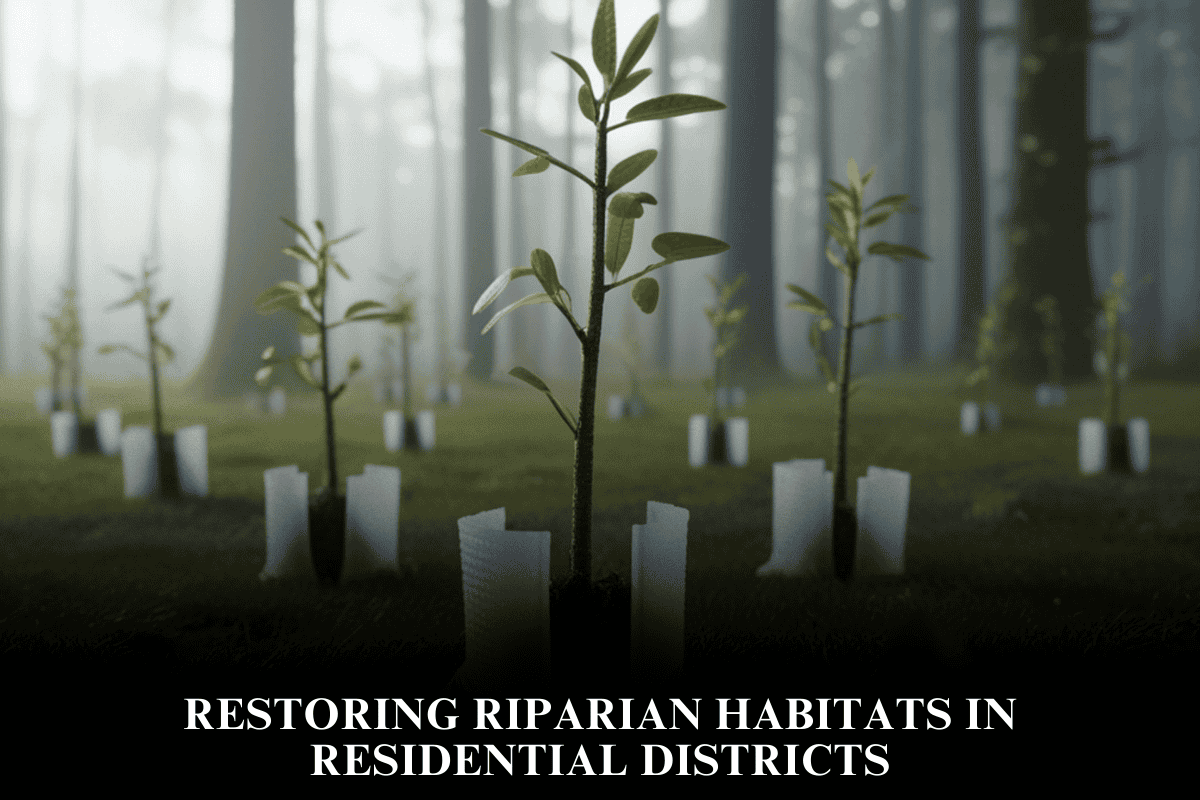
- Grassroots Stewardship: Local volunteers engage in planting native species, building habitats, monitoring wildlife, and organizing cleanups, directly improving urban biodiversity and ecosystem health. These hands-on activities boost environmental awareness and community pride.
- Advocacy and Policy Influence: Inspired community groups elevate local issues to policymakers, advocating for wildlife-friendly zoning, green infrastructure investments, and protective measures that mainstream conservation into city planning.
- Innovative Solutions: Community members often pilot creative projects such as pollinator pathways, rain gardens, urban beekeeping, and wildlife corridors, demonstrating scalable models for urban ecology interventions.
- Education and Outreach: Local action includes environmental education for all ages, promoting ecological literacy and nurturing future environmental leaders from within the community.
- Social Cohesion and Equity: Local conservation efforts foster neighborhood connections, cross-cultural collaboration, and equitable access to green spaces, enhancing social well-being alongside ecological benefits.
FAQs
Q1: How does volunteer work impact urban wildlife?
Volunteers restore habitats, monitor species, and engage the public, driving tangible biodiversity gains.
Q2: Can local groups influence city policies?
Yes, through advocacy and partnerships, they shape urban planning and conservation funding.
Q3: What innovative community projects exist?
Pollinator pathways, rain gardens, and urban beekeeping are examples of creative local initiatives.
Q4: Why is education important in local action?
It builds ecological knowledge and empowers citizens to sustain conservation efforts.
Q5: How does local action promote social equity?
By connecting diverse groups and ensuring access to nature and green spaces for all.