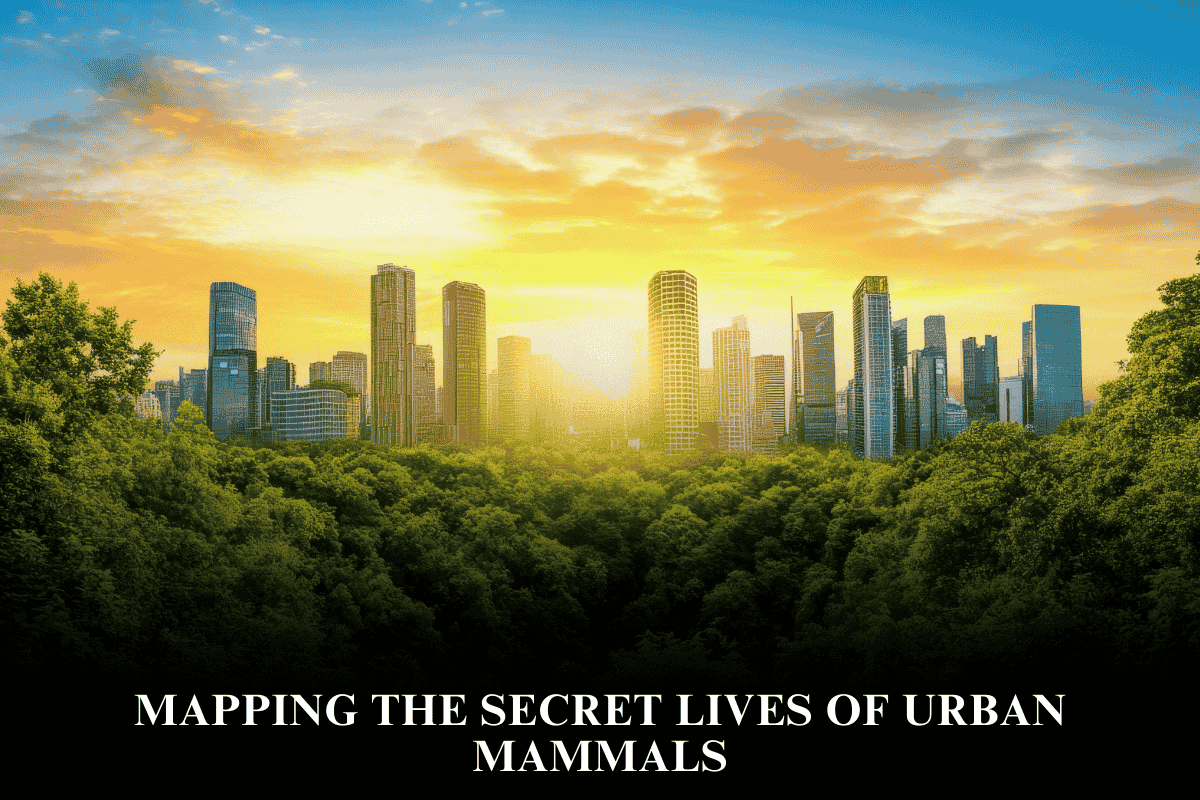
Green classrooms are transforming urban education by bringing ecology, biodiversity, and nature-based learning directly to students, even in city environments. Hands-on activities, outdoor lessons, and curricula focused on local urban wildlife foster ecological literacy, stewardship, and deeper connections to the environment.
Teaching Urban Ecology in Schools
- Place-Based, Experiential Learning: Many schools now offer neighborhood environmental education programs that take students outdoors to nearby parks, green spaces, or even streetscapes. Urban Forest School models immerse students in multi-week nature experiences, building knowledge of ecology through activities like plant identification, bug hunts, and ecosystem observation.
- Project and Inquiry-Based Curricula: Students are encouraged to investigate local ecological issues, design green spaces, and conduct biodiversity inventories. Examples include field trips to parks, citizen science projects such as bird and insect tracking, and classroom projects proposing urban greening solutions.
- Interdisciplinary Approaches: Urban ecology blends science with art, design, and social studies, linking classroom learning to real-world city issues like climate change, air quality, and biodiversity conservation. Curricula may include lessons aligned with STEM standards, such as the NYC Urban Park Rangers’ curriculum focused on urban wildlife and sustainable water management.
- Community Partnerships and Fieldwork: Centers like the Centre for Urban Ecology and Sustainability (CUES) and organizations like the Urban Ecology Center link schools with researchers, ecologists, and local government, offering field experiences, internships, and community science opportunities.
- Equitable Access to Nature: Efforts are underway to ensure urban children of all backgrounds have regular access to nature, recognizing outdoor learning’s role in mental, physical, and social well-being.
FAQs
Q1: Can urban schools teach ecology without large green spaces?
Yes; local parks, gardens, and even street trees can become living laboratories for urban nature explorations.
Q2: What are effective activities for teaching urban ecology?
Field trips, nature journaling, citizen science projects (like the City Nature Challenge), bug hunts, and plant surveys are engaging tools.
Q3: How does urban ecology fit into the curriculum?
It connects science, design, and social studies, supporting lessons on biodiversity, sustainability, and city planning.
Q4: Why is urban ecology education important?
It builds ecological literacy, encourages stewardship, and empowers future citizens to participate in sustainable urban development.
Q5: What organizations support urban ecology in schools?
Centers like CUES, Urban Ecology Center, community gardens, and sustainability education organizations provide curricula, workshops, and fieldwork.