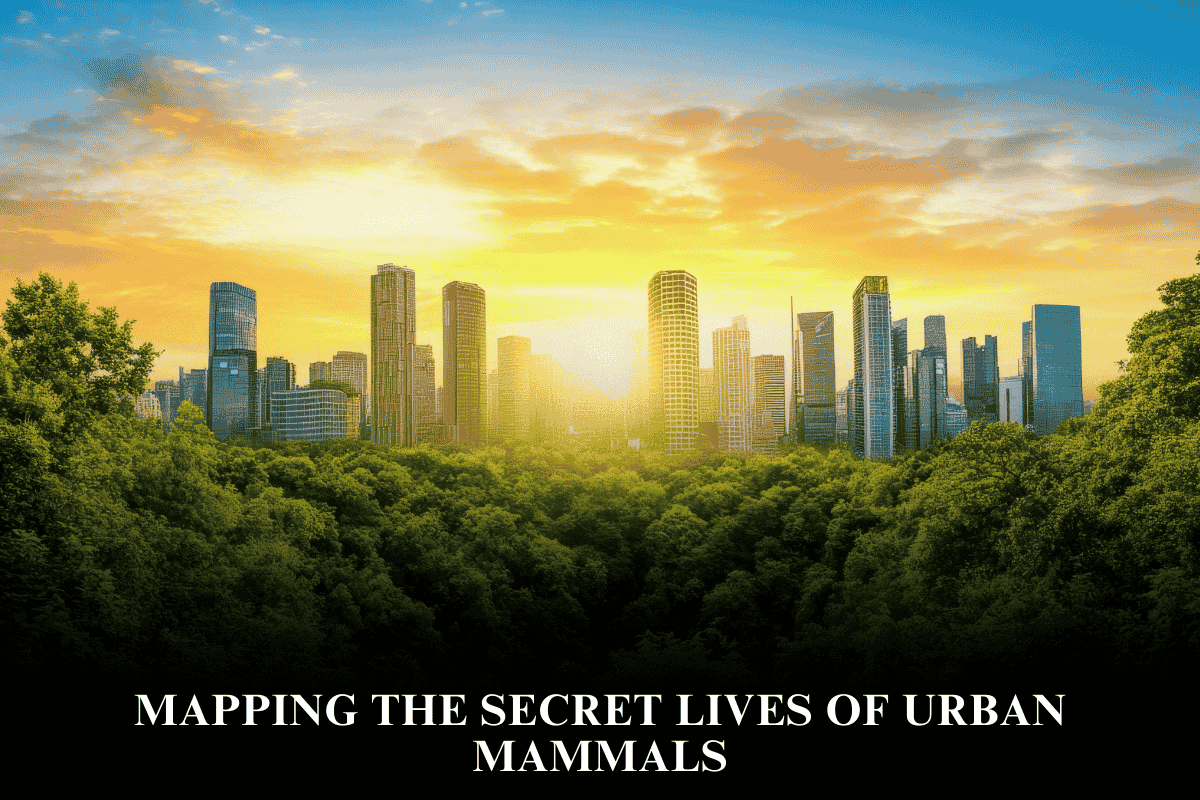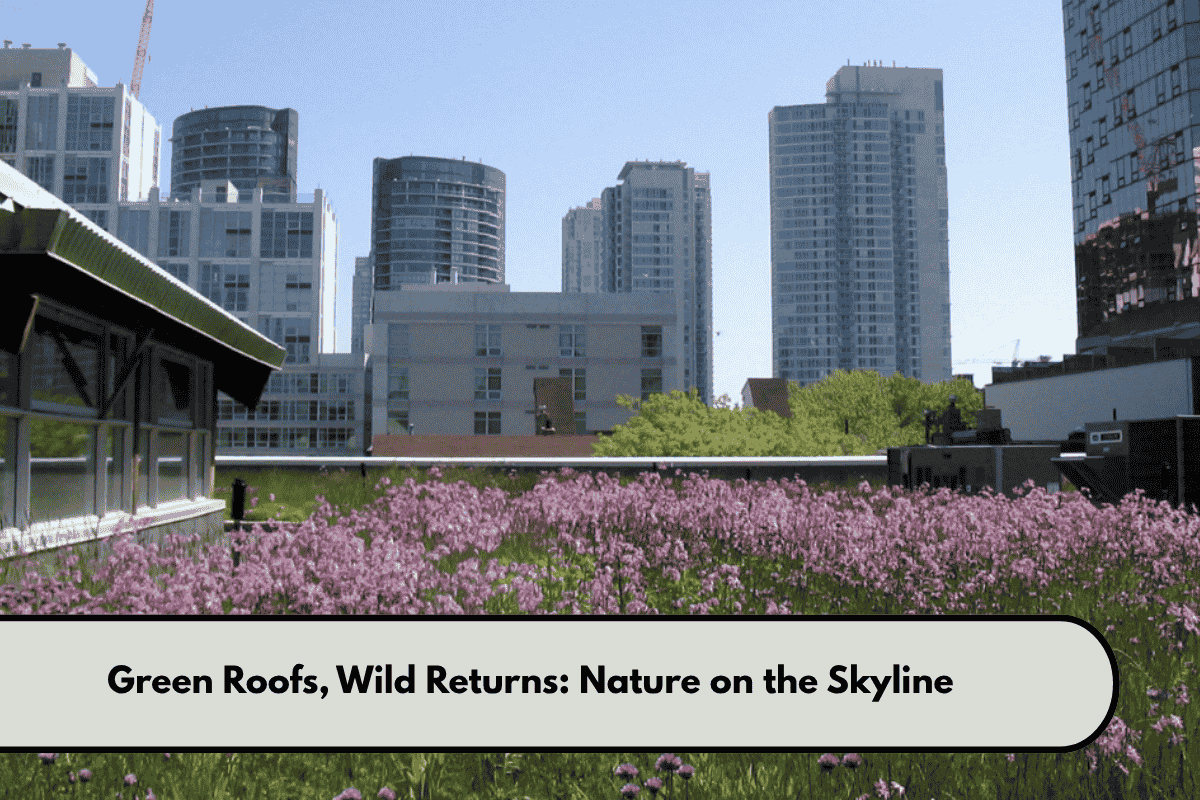
Green roofs, also known as living roofs, are vegetated layers installed on building rooftops that create new habitats and promote biodiversity in urban environments.
These roofs consist of plants, growing medium, and a waterproof membrane. Green roofs support various wildlife species, enhance urban ecosystems, mitigate heat island effects, improve air and water quality, and contribute to climate resilience.
Benefits of Green Roofs for Biodiversity and Urban Nature
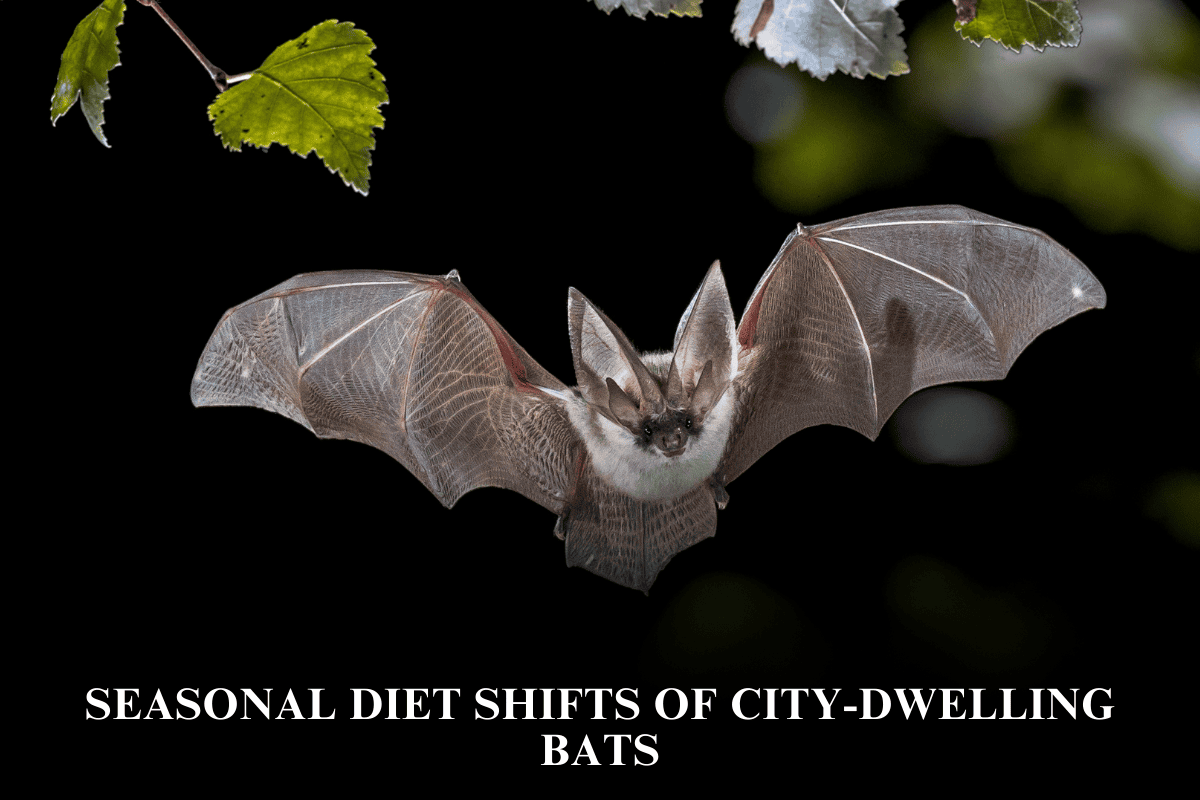
- Habitat Creation: Green roofs provide vital habitats in cities where natural green spaces are limited. They support diverse species including birds, bees, butterflies, moths, and insects by offering food, shelter, and nesting areas. Some roofs act as stepping stones connecting fragmented habitats, facilitating wildlife movement across urban areas. For example, the Chicago City Hall green roof supports native plants and is a stopover for migratory birds.
- Increased Species Diversity: Studies have shown green roofs support significantly higher bird and arthropod diversity compared to conventional roofs. Rare species like the Black Redstart also forage on green roofs, highlighting their ecological value.
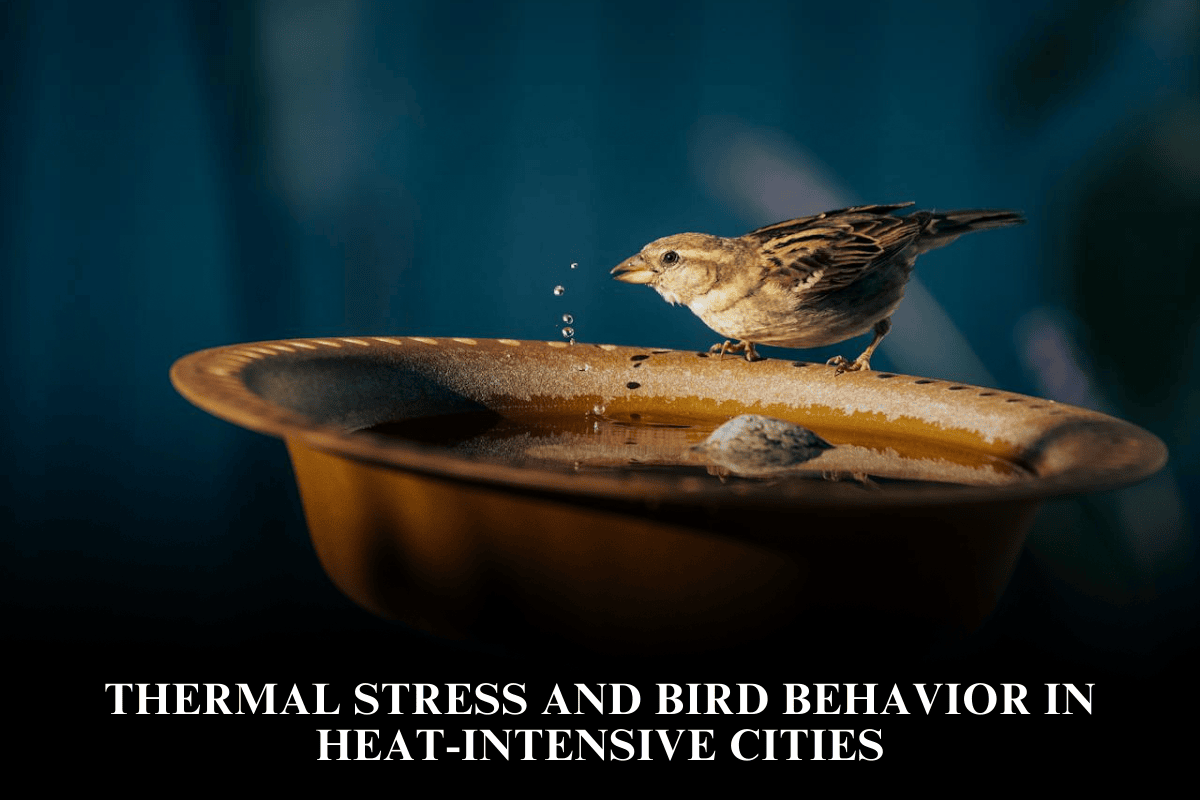
- Urban Heat Island Mitigation: Vegetation on green roofs cools the surrounding air through evapotranspiration, reducing urban heat and creating better microclimates for temperature-sensitive species.
- Improved Air and Water Quality: Green roofs filter pollutants and particulate matter from the air and help manage stormwater, reducing runoff and urban pollution, which benefits both wildlife and human residents.
- Support for Pollinators: Native plant species planted on green roofs provide nectar and habitat for bees and butterflies critical for urban pollination and ecosystem health.
- Integration with Renewable Energy: Some green roofs incorporate solar panels, combining energy production with biodiversity benefits, exemplifying sustainable, multifunctional urban solutions.
FAQs
Q1: What is a green roof?
A green roof is a rooftop covered with vegetation planted over a waterproof membrane, helping create habitat and ecosystem services in urban areas.
Q2: How do green roofs benefit wildlife?
They provide habitats for birds, insects, and small mammals, increase species diversity, and function as ecological stepping stones connecting green spaces.
Q3: Do green roofs help with climate issues?
Yes, they reduce the urban heat island effect, improve air quality, and help manage stormwater runoff.
Q4: Can green roofs support pollinators?
Yes, especially when planted with native flowering plants, supporting bees, butterflies, and other pollinators essential for urban ecosystems.