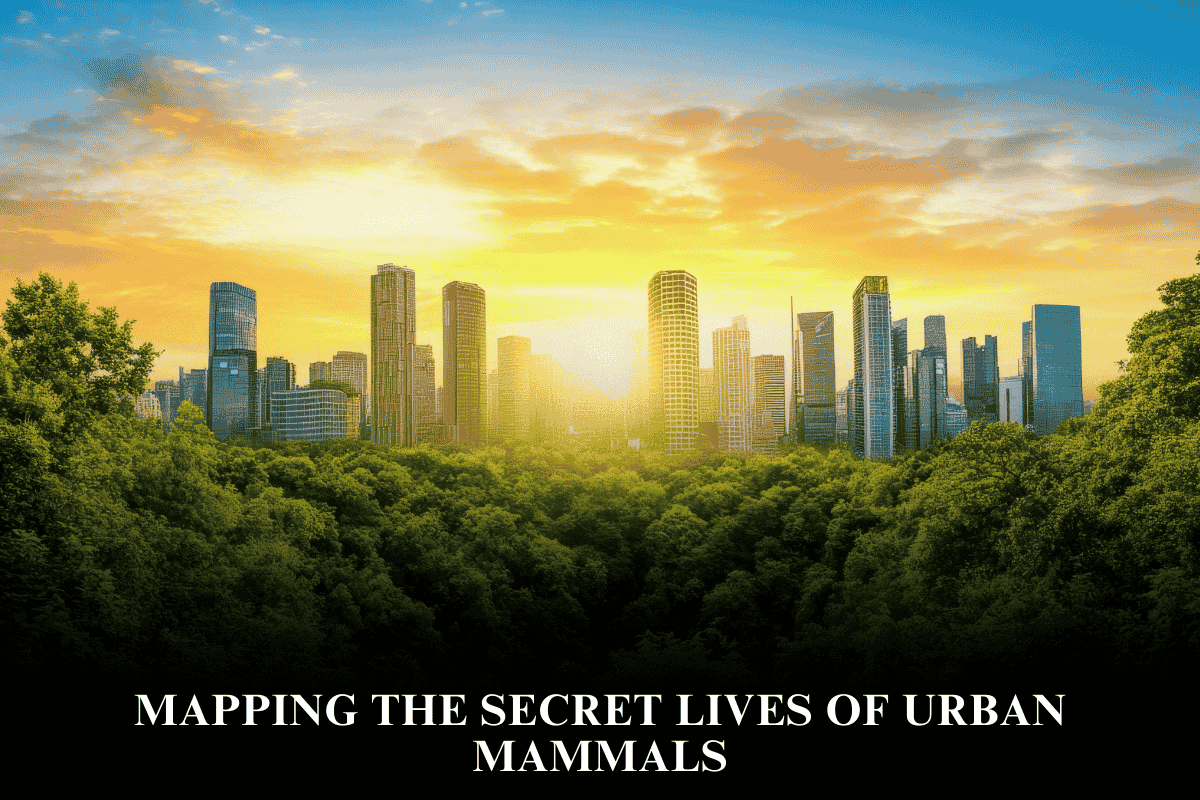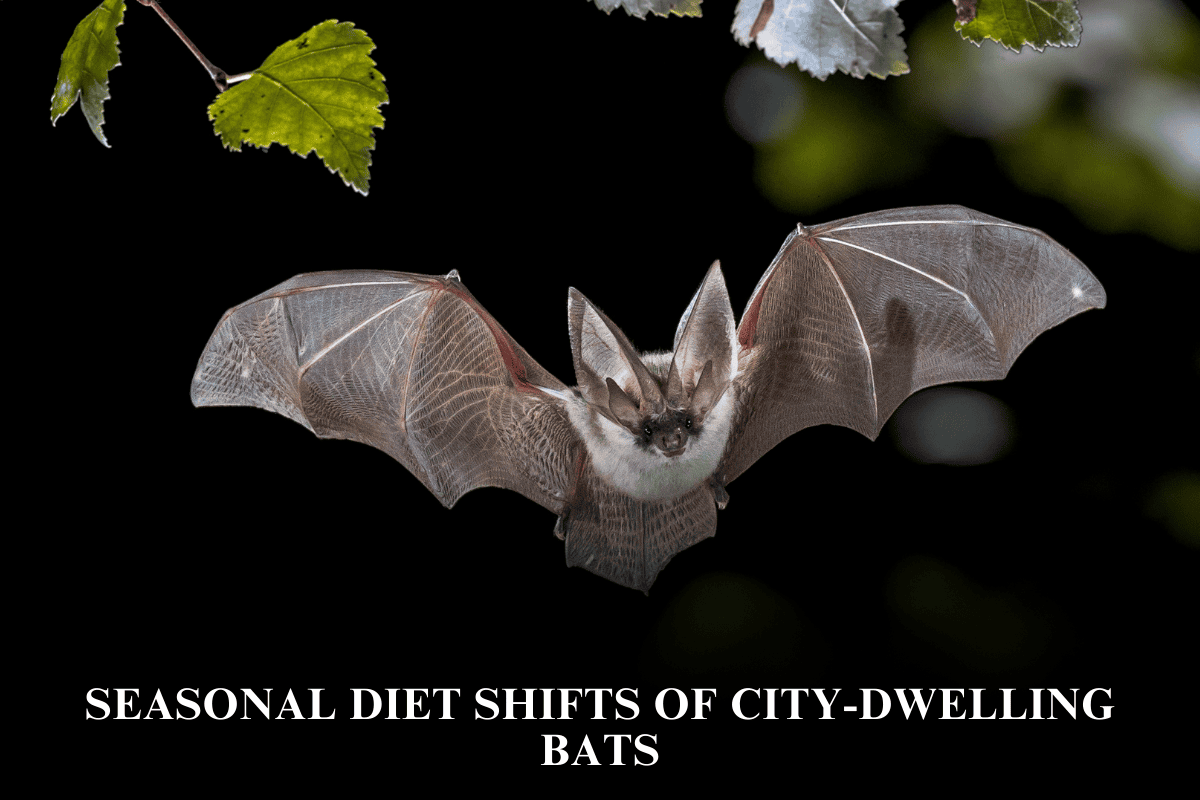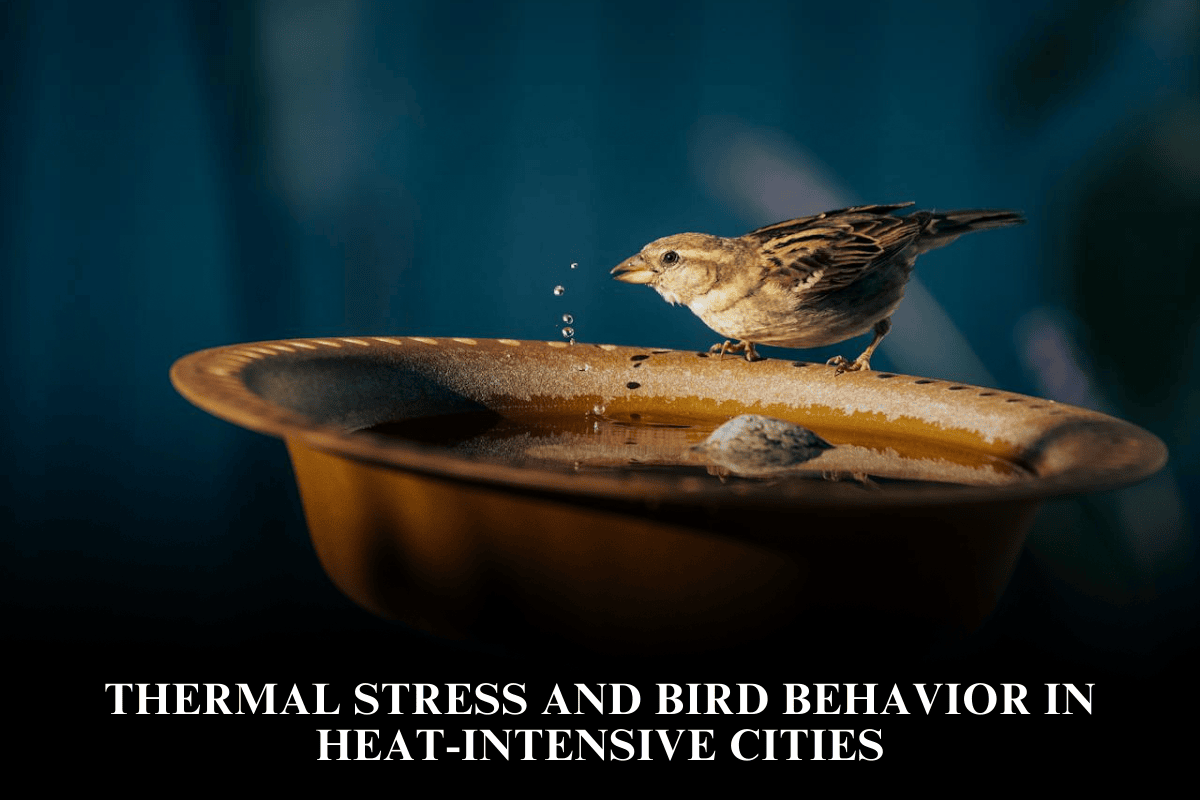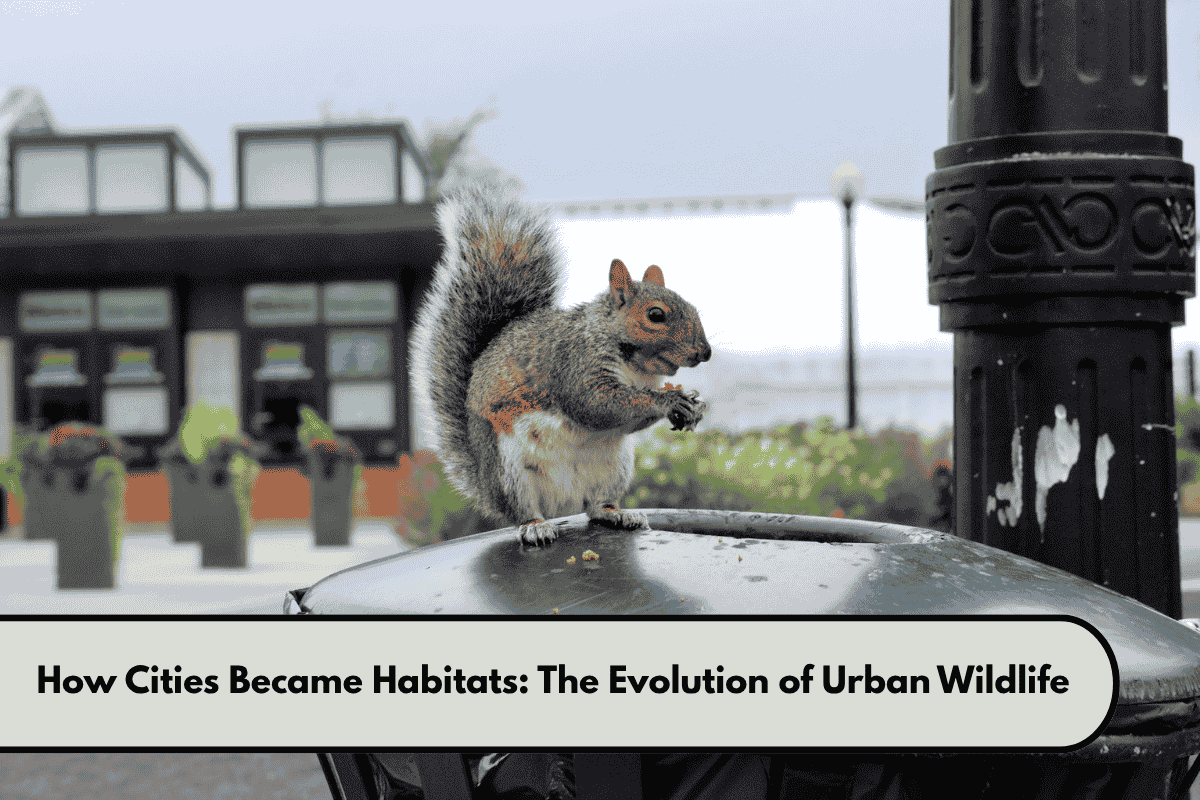
Cities have become habitats for urban wildlife through a complex evolutionary and ecological process driven largely by human activity. As natural habitats shrink and transform due to urbanization, many wild animals have adapted to city life by exploiting new resources and environments that cities offer.
This shift is facilitated by changes in urban landscapes such as the creation of parks, green spaces, and trees, which provide shelter and food for various species.
Additionally, some animals have undergone rapid evolutionary changes—known as human-induced rapid evolutionary change (HIREC)—to better survive the unique challenges of the urban environment, such as navigating smooth surfaces, digesting human food, or changing behavior to coexist with humans.
Examples include lizards developing bigger toe pads for climbing urban surfaces and city mice evolving to better digest human diets. Despite these adaptations, urban wildlife faces ongoing challenges, including human-wildlife conflict and the need for ecological balance in cities.
Cities can serve as unexpected refuges for wildlife, supporting biodiversity through deliberate design and policy efforts aimed at creating sustainable and resilient urban ecosystems.
Background and Driving Factors
- Urban wildlife comprises animals that have adapted to living in cities, often due to habitat loss from industrialization and urban development.
- Early human efforts to remove wildlife from cities were counteracted by planting trees, parks, and improving sanitation, indirectly creating habitats suitable for adaptable wildlife.
- Urbanization destroys some habitats but also creates novel ecological niches, forcing some species to adapt rapidly genetically or behaviorally to survive.
Evolutionary Adaptations
- The adaptability of urban wildlife happens faster than classical Darwinian evolution in many cases, often within a few generations due to the strong selection pressures of urban environments.
- Species with shorter lifespans and more offspring, like small mammals and lizards, tend to evolve more quickly.
- Adaptations include physical changes such as larger toe pads for climbing, altered diets to consume human food waste, and shifts in behavioral traits to avoid human conflict.
Urban Ecosystems as Wildlife Habitats
- Modern urban planning increasingly incorporates biodiversity considerations, creating green corridors, parks, and naturalized spaces that support urban wildlife.
- Many animals, from birds and squirrels to pollinators like bees, thrive in city environments due to these efforts.
- Cities, therefore, function as critical habitats and biodiversity reservoirs within human-dominated landscapes, contributing to ecosystem resilience while presenting new management challenges for coexistence.
The evolution of urban wildlife is a dynamic story of adaptation, survival, and coexistence shaped by both natural biological processes and human environmental management.
FAQs
1. What is urban wildlife?
Urban wildlife refers to animals that have adapted to live in cities and suburban areas, often utilizing human-made environments such as parks, green spaces, and even buildings as their habitats.
2. How do animals adapt to urban environments so quickly?
Adaptations in urban wildlife can happen rapidly due to strong selective pressures caused by human activity. Smaller animals with shorter lifespans and more offspring evolve more quickly. This process is called human-induced rapid evolutionary change (HIREC).
3. Can you give examples of urban evolutionary adaptations?
Yes. For example, Puerto Rican anoles have evolved larger toe pads for better climbing on smooth urban surfaces. White-footed mice in New York have developed genetic changes to better digest human foods. Some mosquitoes have evolved into new species occupying underground spaces in cities.
4. Are all species able to adapt to city life?
No. Many species cannot adapt fast enough and may face decline or extinction due to urbanization. Evolution in cities is species-specific, and while some thrive, others struggle.
5. What role do cities play in wildlife conservation?
Cities can act as important refuges for wildlife, promoting biodiversity through green spaces and habitat connectivity. Thoughtful urban planning can enhance these roles, supporting coexistence between humans and wildlife.