Noise pollution in urban areas of the United States significantly impacts urban birds and mammals, disrupting their behavior, physiology, and habitats. This environmental stressor diminishes biodiversity and alters ecosystem functions in cities.
Effects of Noise Pollution on Urban Birds
Noise pollution in urban environments interferes with essential bird behaviors such as communication, mating, and predator detection. Birds rely heavily on vocalizations to establish territories, attract mates, and warn of predators.
Anthropogenic noise from traffic, construction, and industrial sources masks these sounds, leading to difficulties in communication. Many urban bird species respond by modifying their songs—singing at higher pitches or during quieter times like early mornings—to avoid acoustic interference.
However, these adaptations can incur energetic costs and may reduce mating success.
Studies in the US show that increased noise levels are associated with reduced bird species richness and abundance. Sensitive species may be excluded from noisy habitats altogether, favoring generalist species more tolerant of noise.
This shift results in biotic homogenization, where urban bird communities become less diverse and dominated by fewer species able to cope with the disturbed soundscape.
Noise pollution can also increase stress hormone levels in birds, impairing reproduction and immune function, and ultimately affecting population fitness.
Effects on Urban Mammals
Urban mammals similarly experience negative effects from noise pollution. Continuous or high-intensity noise elevates physiological stress, which disrupts reproductive processes and immune responses.
Noise also interferes with communication signals used for mating, social interactions, and predator warnings.
For mammals relying on acute hearing for navigation or hunting, noise can obscure environmental sounds, increasing vulnerability.
Exposure to noise can cause mammals to avoid certain habitats, leading to habitat displacement and crowding in quieter areas. This restriction reduces available resources and increases competition.
Chronic noise may also cause cognitive overload, hindering mammals’ ability to forage efficiently, find mates, or care for offspring. In some cases, prolonged noise exposure can lead to hearing impairment, further compromising survival.
Broader Urban Ecological Impacts
Noise pollution does not affect all species equally, often disproportionately impacting sensitive or specialist species, while more adaptable species flourish. This creates an imbalance in urban ecosystem composition and interactions.
Additionally, research reveals that noise pollution is inequitably distributed in US cities, often higher in historically marginalized and redlined neighborhoods, compounding environmental injustices for both humans and urban wildlife.
Urban green space quality and heterogeneity can mitigate some negative effects by providing refuges with lower noise levels and diverse habitats.
Thus, noise management combined with urban greening strategies is critical for conserving urban wildlife diversity and ecological health.
Frequently Asked Questions (FAQs)
Q: How does noise pollution interfere with bird communication?
A: Noise masks bird songs and calls, making it harder for birds to communicate for mating, territory defense, and predator alerts. Some birds change song frequency or timing to adapt, but it can reduce their reproductive success.
Q: Which urban mammals are most affected by noise pollution?
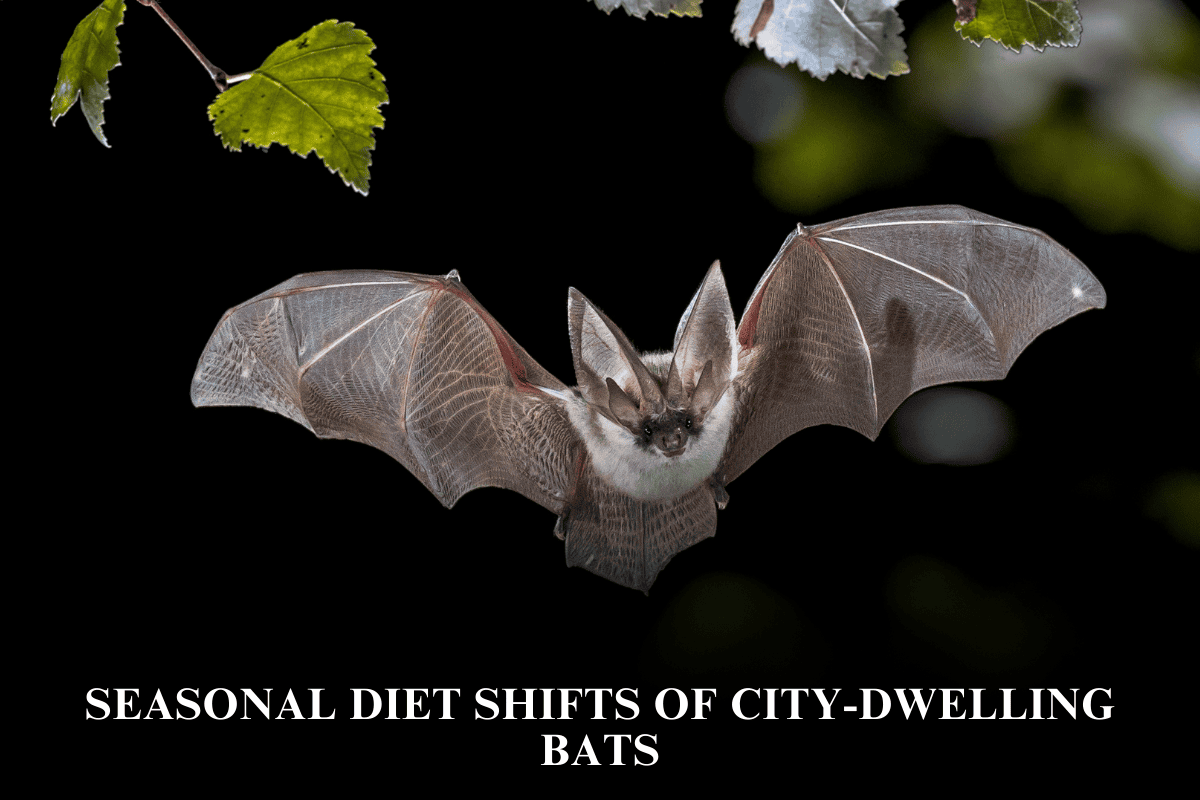
A: Mammals relying on acute hearing for navigation, social interaction, and predator detection, such as bats, raccoons, and some rodents, are particularly vulnerable to noise interference.
Q: Can noise pollution cause physical harm to urban wildlife?
A: Yes, chronic noise exposure can elevate stress hormones, impair reproduction, increase susceptibility to disease, and cause hearing loss in some animals.
Q: Are some species more tolerant of noise pollution?
A: Yes, generalist species with flexible behaviors and diets tend to tolerate noisy urban environments better than specialists, which leads to reduced biodiversity.
Q: What urban planning measures can reduce noise impacts on wildlife?
A: Increasing green space heterogeneity, creating noise buffers using vegetation, limiting traffic and industrial noise, and thoughtful urban design can help preserve urban wildlife habitats.
Q: Does noise pollution affect urban wildlife differently across US neighborhoods?
A: Studies indicate noise pollution disproportionately burdens historically marginalized communities, creating environmental inequities that also affect urban wildlife distribution and health.