Schools in the United States can effectively integrate urban ecology into their curriculum by adopting experiential, place-based learning models that emphasize coexistence between humans and nature in city environments.
Urban ecology education helps students understand the complex interactions of living organisms and human-made systems, fostering stewardship of urban green spaces and promoting sustainability.
Integrating Urban Ecology in Schools
Many schools partner with local urban ecology centers, such as Milwaukee’s Urban Ecology Center, to transform traditional science education into ongoing, hands-on outdoor experiences rather than one-time field trips.
These programs, like the Neighborhood Environmental Education Project, provide year-long engagement with neighborhood parks and green spaces where students observe ecosystems, participate in citizen science, and learn about biodiversity and environmental justice through repeated visits and mentorship from educators and volunteers.
Such immersive programs connect science concepts taught in classrooms to real-world urban ecosystems, increasing student motivation and environmental literacy.
Curriculum Development and Interdisciplinary Approaches
Curriculums that use urban ecology often integrate multiple subjects—science, literacy, language skills, social studies, and environmental justice.
For example, the Urban Ecology for English Learners project aligns science education with literacy and language development, making rigorous science content accessible to diverse student populations, especially in urban schools where many English learners reside.
Field studies in local schoolyards and neighborhoods allow students to explore ecological concepts while advancing language skills, promoting inclusion and equity in STEM education.
Educators are encouraged to use social-ecological collaboration pedagogy, involving students in projects that link ecology with urban planning, policy, and community engagement.
This approach facilitates understanding of environmental challenges in urban areas, encourages critical thinking about sustainability, and promotes cooperation between students, scientists, and local organizations.
Hands-on and community-based learning prepares students for real-world problem-solving and fosters a sense of shared responsibility for urban ecosystems.
Promoting Coexistence in Urban Ecology Education
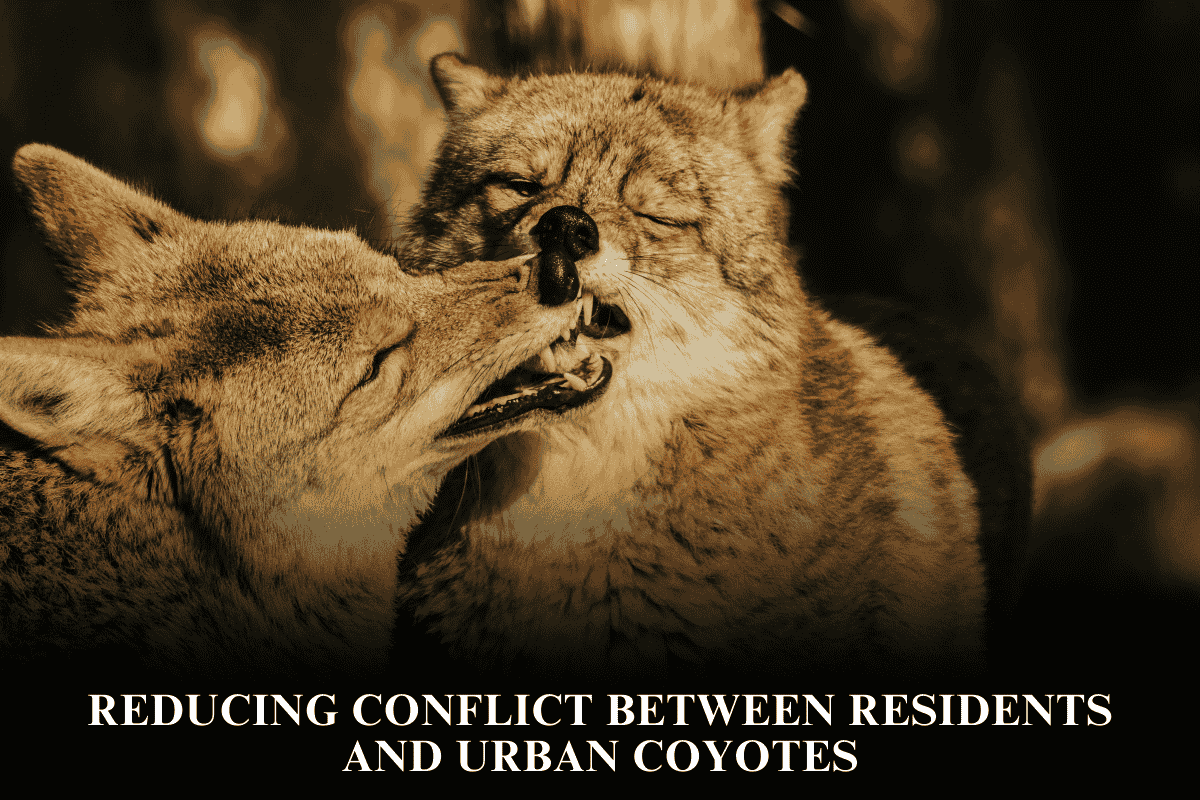
Coexistence is a key theme in urban ecology, emphasizing the harmonious relationship between humans and urban wildlife. Schools can highlight this through projects that address human-wildlife interactions, such as studying urban-adapted species, their habitats, and the challenges they face.
This fosters respect and understanding among students, reducing fears and promoting coexistence in diverse urban environments.
Educators can incorporate lessons on biodiversity-friendly design, green infrastructure, and nature-based solutions to demonstrate how cities can support both human needs and wildlife habitats.
FAQs
Q: Why is urban ecology important to include in school curriculums?
A: Urban ecology education connects students with nature in their own neighborhoods, increasing environmental awareness, promoting sustainability, and addressing local environmental justice issues. It also supports interdisciplinary learning and real-world problem-solving skills.
Q: How can schools with limited outdoor space teach urban ecology?
A: Schools can use nearby parks and partner with urban ecology centers for repeated field experiences, create outdoor classrooms, or utilize schoolyards for ecological investigations. Virtual tools and citizen science projects can supplement hands-on learning.
Q: How does urban ecology education support diverse learners?
A: Through integrated curricula that combine science with literacy and language development, urban ecology programs particularly aid English Learners and minority students by relating science content to their urban experiences and communities.
Q: What role does coexistence play in urban ecology education?
A: Coexistence teaches students to respect and live alongside urban wildlife by understanding ecological roles and challenges, promoting biodiversity-friendly actions, and reducing conflicts between humans and animals in cities.
Q: Are there established programs schools can join for urban ecology learning?
A: Yes, programs like Milwaukee’s Neighborhood Environmental Education Project provide year-round mentorship and outdoor classroom opportunities, while other universities and organizations offer curriculum resources and community partnerships.