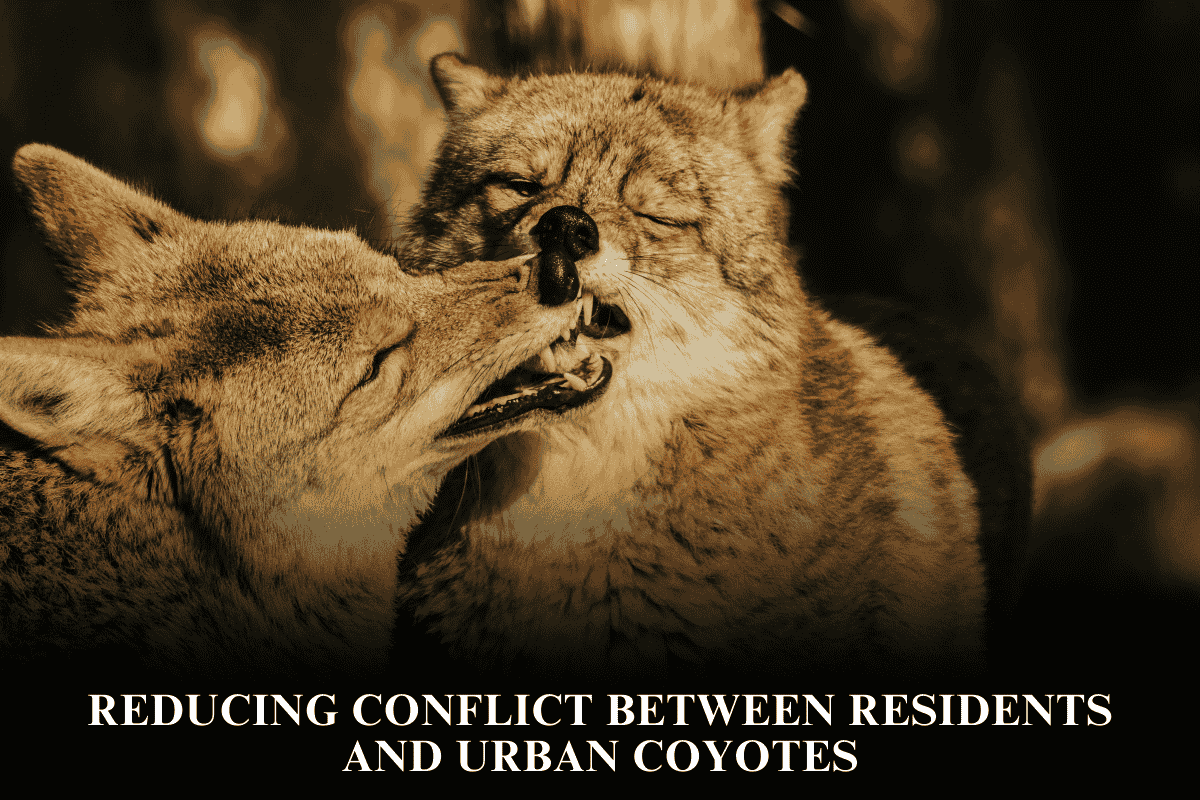
Coyotes have become common residents in many urban areas, adapting to city life while usually avoiding humans. Understanding their behavior and knowing how to coexist safely promotes harmony between people and these adaptable wild animals.
Understanding Urban Coyote Behavior
Urban coyotes are typically shy and cautious, mostly active from dusk to dawn. They have adapted to living in fragmented habitats such as parks, industrial areas, and suburban neighborhoods. Unlike rural coyotes that tend to avoid humans strongly, urban coyotes are often bolder and more exploratory but rarely aggressive.
Coyotes communicate through howling, scent marking, and body language to establish territories and social structure within family groups. Their diet includes small mammals, birds, insects, fruits, and sometimes pet food or garbage if accessible. Although nocturnal, they may appear during the day, especially in the early morning or late evening.
Dos for Coexisting with Urban Coyotes
- Do keep pets supervised: Always watch small dogs and cats, especially during dawn and dusk, to prevent possible predation.
- Do secure garbage: Keep trash in animal-proof bins to avoid attracting coyotes looking for easy food.
- Do remove outdoor pet food and water: These encourage coyotes to linger close to homes.
- Do make noise and appear large: If you see a coyote, make yourself appear bigger by waving arms and use loud voices or noise-makers to scare it away (hazing).
- Do educate your community: Inform neighbors about coyote behavior and safe practices to reduce conflicts.
Don’ts for Safe Coexistence
- Don’t feed coyotes: Feeding habituates coyotes to humans, increases boldness, and can lead to aggressive behavior.
- Don’t approach or corner coyotes: Give them space to escape; trapped animals may act defensively.
- Don’t release pets unsupervised outdoors: Small pets are vulnerable to coyote encounters.
- Don’t ignore coyote sightings: Report aggressive or unusual behavior to local wildlife authorities.
- Don’t assume all coyotes are dangerous: Most avoid humans unless habituated through feeding or unintentional encouragement.
Common Myths About Urban Coyotes
- Myth: Coyotes hunt humans.
Coyotes generally avoid people and attacks are extremely rare. Most conflicts occur due to food conditioning or pet encounters. - Myth: Coyotes live in large packs in cities.
Urban coyotes live in family groups with defined territories, not large packs, reducing population density. - Myth: Trapping and removing coyotes solves problems.
Removing coyotes often leads to new coyotes moving in or increases reproductive rates, so coexistence strategies are more effective. - Myth: Coyotes are nocturnal only.
They are primarily active at night but may be seen during the day, especially in less populated urban areas.
FAQ
Q: How can I keep my pets safe in coyote areas?
A: Supervise pets outdoors, especially small dogs and cats, keep them indoors at dawn and dusk, and avoid leaving pet food outside.
Q: What should I do if I encounter a coyote?
A: Stay calm, make yourself appear large, wave your arms, shout firmly, and slowly back away to encourage the coyote to leave.
Q: Is feeding coyotes ever okay?
A: No, feeding coyotes leads to habituation, increased risk of bold or aggressive behavior, and endangers both humans and animals.
Q: Are urban coyotes more dangerous than rural coyotes?
A: Urban coyotes tend to be bolder but are not inherently more dangerous if not fed or harassed. Most avoid humans.
Q: How do I report aggressive coyote behavior?
A: Contact your local wildlife authority or animal control to report any coyote showing aggression or unusual behavior.
Urban coyotes are adaptable creatures that thrive in cities by learning to navigate human presence cautiously. With informed behaviors and community cooperation, humans and coyotes can coexist safely, preserving urban wildlife balance.