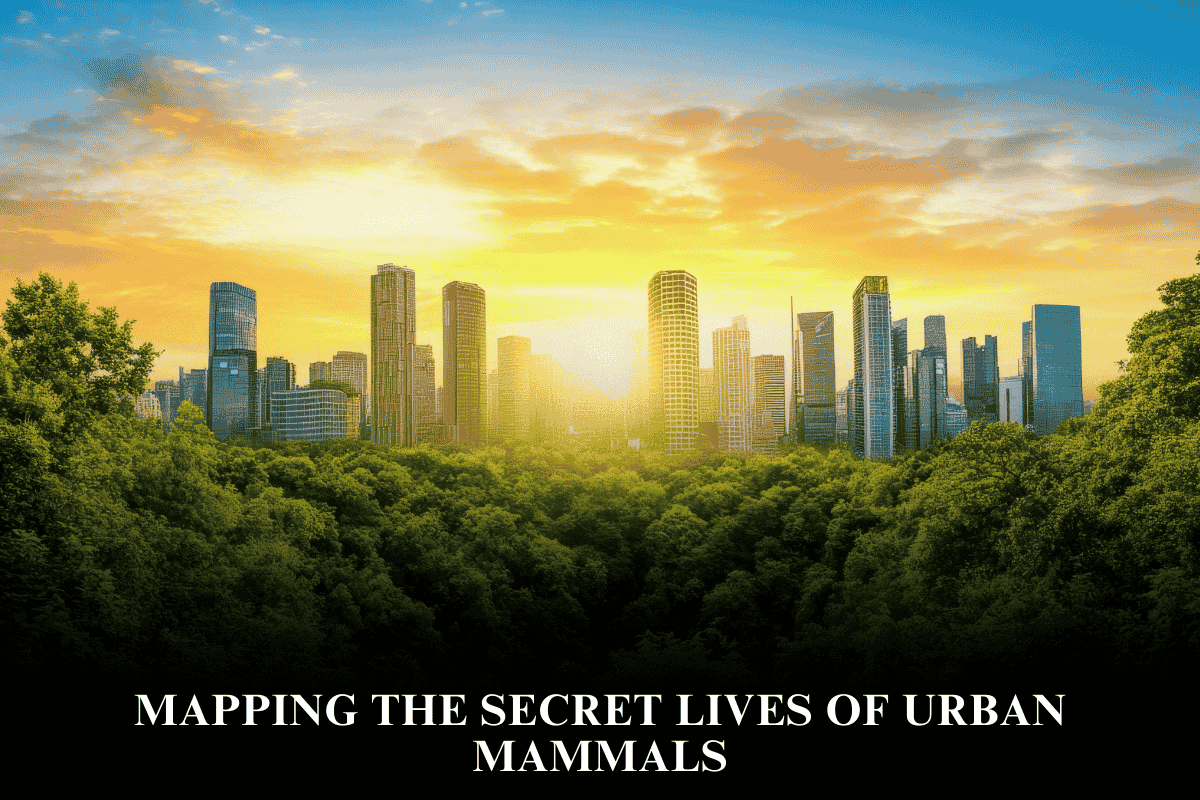
Urban environments dramatically reshape the behaviors and lifestyles of wildlife species adapting to these human-dominated landscapes. As cities expand, animals must navigate novel challenges such as habitat fragmentation, noise and light pollution, and altered food sources, triggering remarkable behavioral adaptations for survival.
Behavioral Flexibility in Urban Wildlife
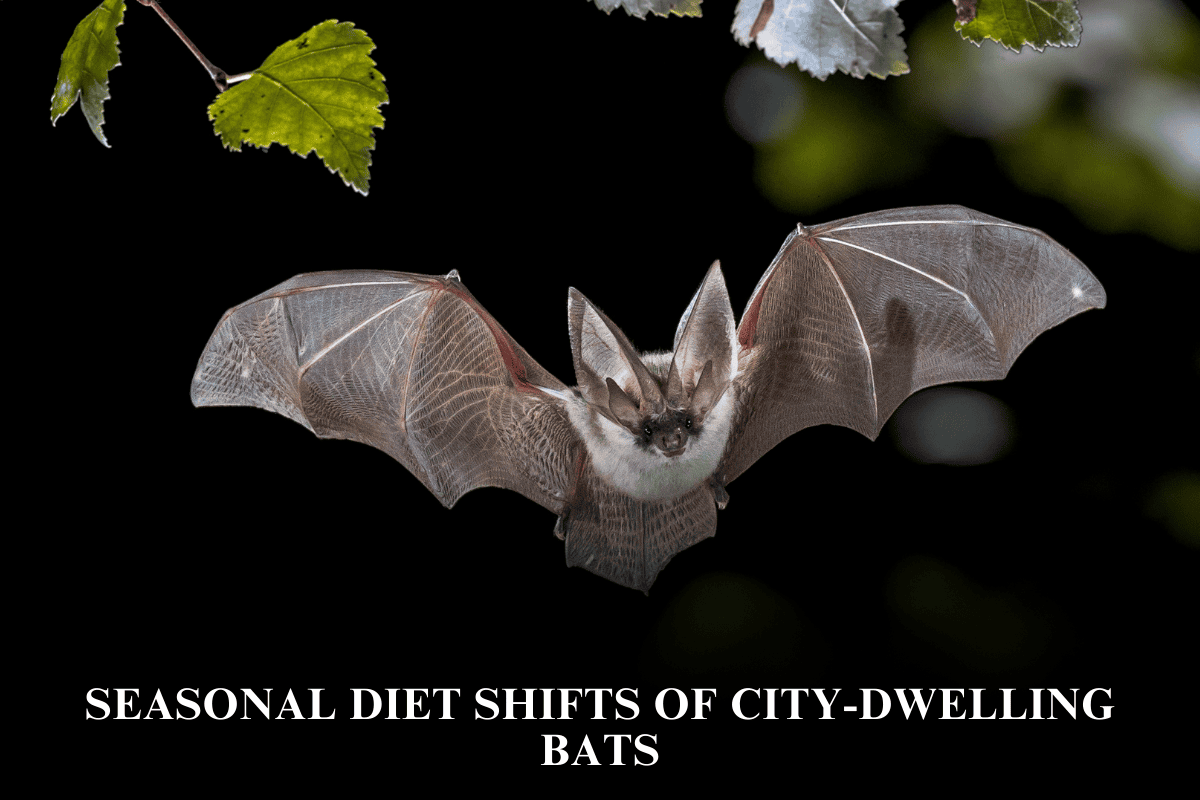
Wildlife living in urban areas exhibit behavioral flexibility, allowing them to exploit new resources and avoid hazards. Many species shift their activity patterns by becoming more nocturnal to avoid human activity and traffic. Others change their diets by incorporating human food waste or urban vegetation, demonstrating opportunistic feeding strategies.
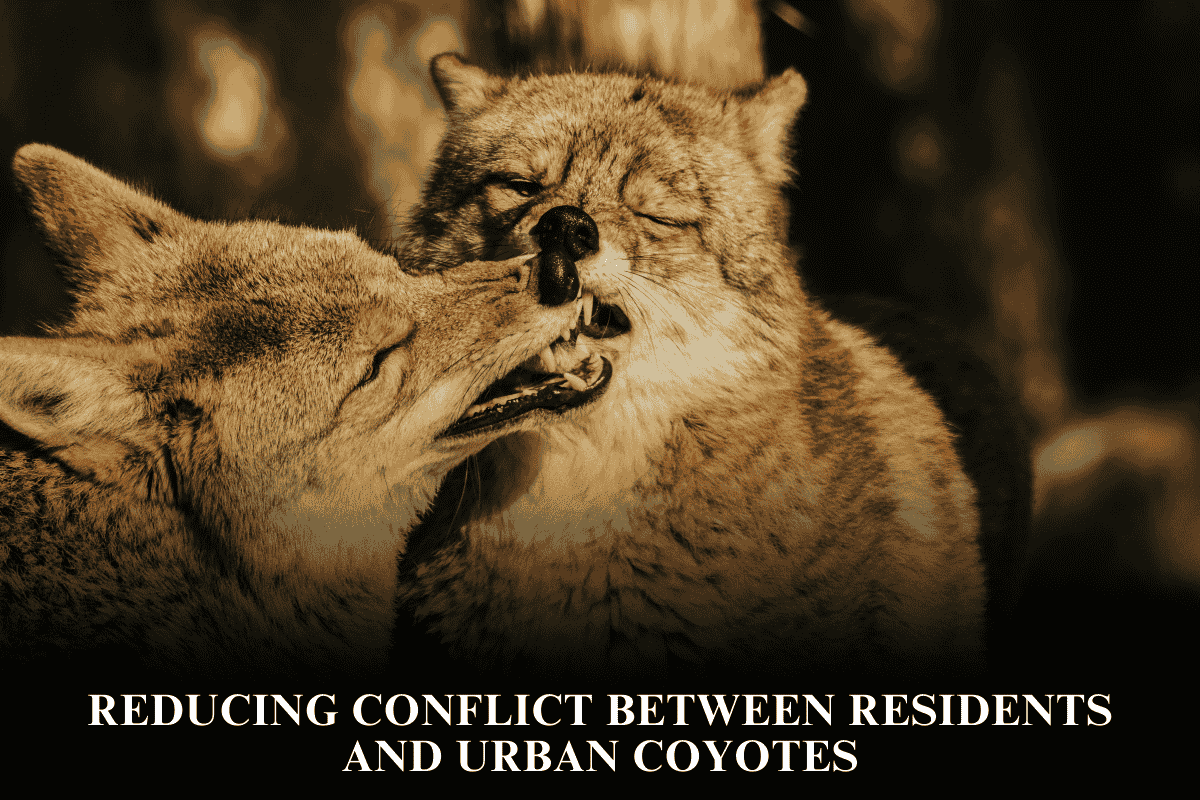
Birds, mammals, and other animals also alter their movement and territorial behaviors to cope with fragmented habitats. For example, urban raccoons navigate complex cityscapes using sewers and green corridors, while urban coyotes adjust their home ranges to avoid peak human activity times. These adaptations increase their chances of finding food and shelter while reducing conflict with people.
Impact of Urban Stressors on Wildlife Behavior
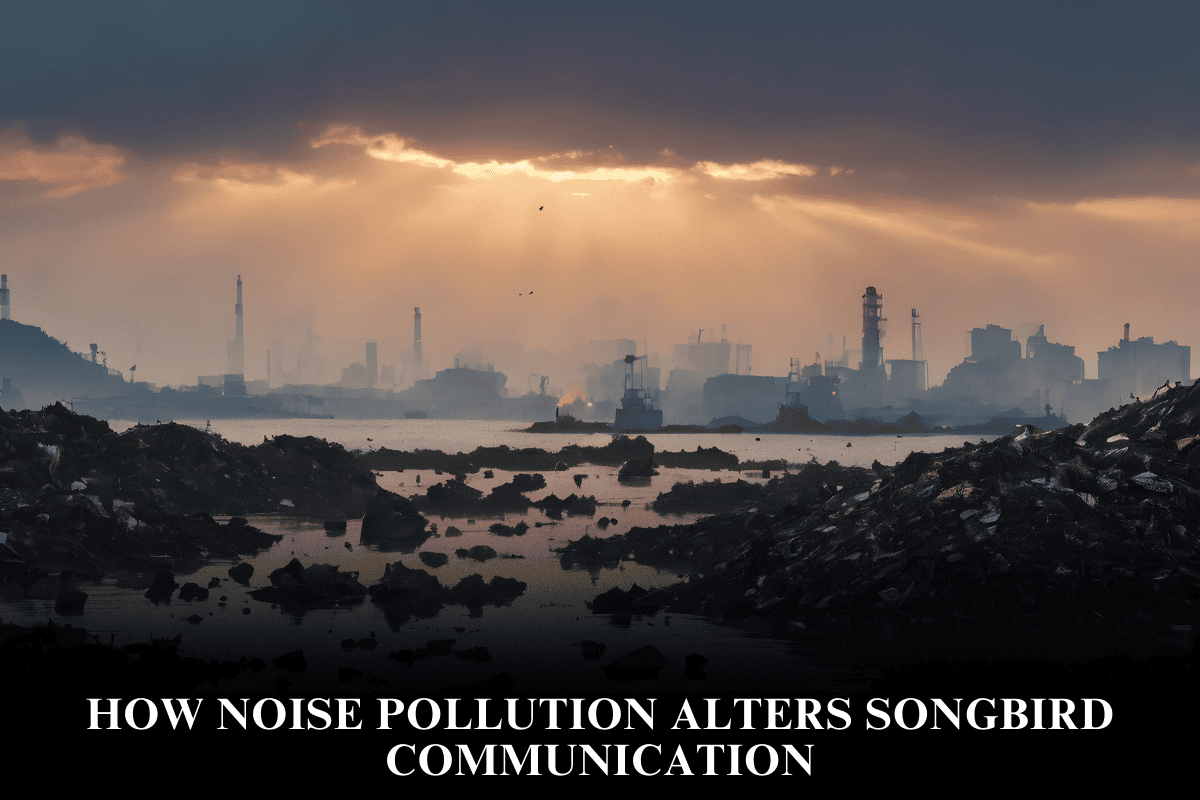
Noise pollution from traffic, construction, and industry disrupts animal communication, affecting mating calls and predator warnings. Wildlife may respond by changing their vocalization patterns or timing to overcome acoustic masking. Similarly, artificial lighting disorients nocturnal animals, interrupts migration, and alters foraging and reproductive behaviors.
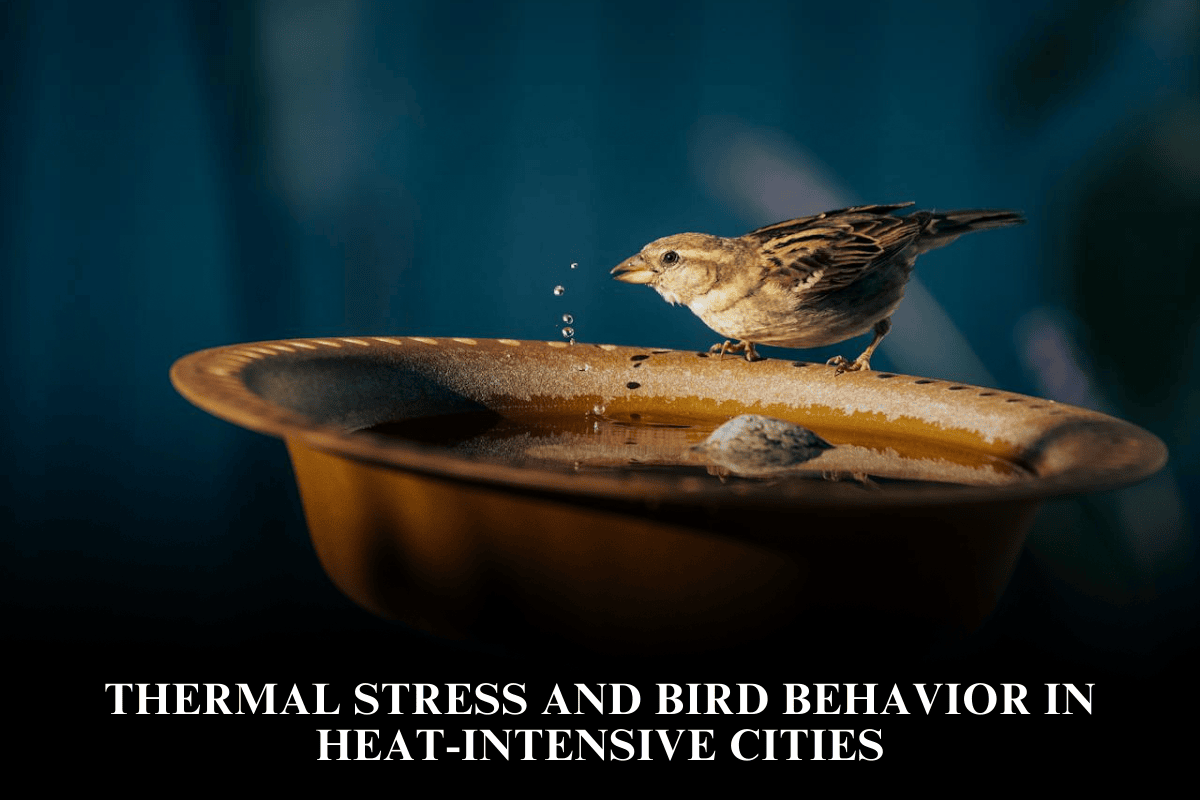
Wildlife in cities often experience higher stress levels due to increased human presence and environmental contaminants, which can affect immune function and disease susceptibility. However, species with greater behavioral plasticity may habituate or evolve reduced stress responses, allowing them to thrive in urban settings where more sensitive species cannot survive.
Examples of Urban Wildlife Adaptations
- Leopards in Mumbai: These big cats use railway lines and abandoned areas to move stealthily at night near urban edges, adapting to coexist with dense human populations.
- Raccoons: Known for their intelligence, raccoons exploit trash bins and human structures for food and shelter, showing flexible problem-solving abilities.
- Urban Birds: Species like pigeons and crows have larger brains relative to rural counterparts, aiding in their adaptability to diverse urban tasks including foraging and nesting.
- Coyotes: Urban coyotes have developed heightened caution, such as looking before crossing streets and becoming more nocturnal, to avoid human encounters.
- Monkeys and Macaques: In cities like Delhi, primates adapt by scavenging food in human spaces but face conflicts requiring behavioral adjustments.
FAQ
Q: What is behavioral flexibility in urban wildlife?
A: It is the ability of animals to modify their behavior, such as changing diet or activity times, in response to urban environmental challenges.
Q: How do cities affect wildlife communication?
A: Noise pollution can mask calls, leading animals to alter the pitch, timing, or volume of vocalizations to communicate effectively.
Q: Why do some animals become more nocturnal in cities?
A: To avoid humans and traffic, which are more active during the day, animals shift activity to nighttime when disturbance is less.
Q: Are all species able to adapt to urban environments?
A: No, species with limited behavioral plasticity or specific habitat needs often decline or disappear, while generalists or adaptable species flourish.
Q: How can urban planning help wildlife?
A: Incorporating green corridors, reducing light and noise pollution, and conserving natural habitats can support wildlife adaptation and biodiversity.
Q: Does urbanization increase disease risks for wildlife?
A: Yes, increased contact among species and exposure to pollutants can raise disease prevalence, but some species develop resistance or tolerance over time.
Urban landscapes shape wildlife behavior by imposing new challenges and opportunities, driving animals to adopt innovative survival strategies. Understanding these adaptations informs more wildlife-friendly urban development and coexistence strategies.