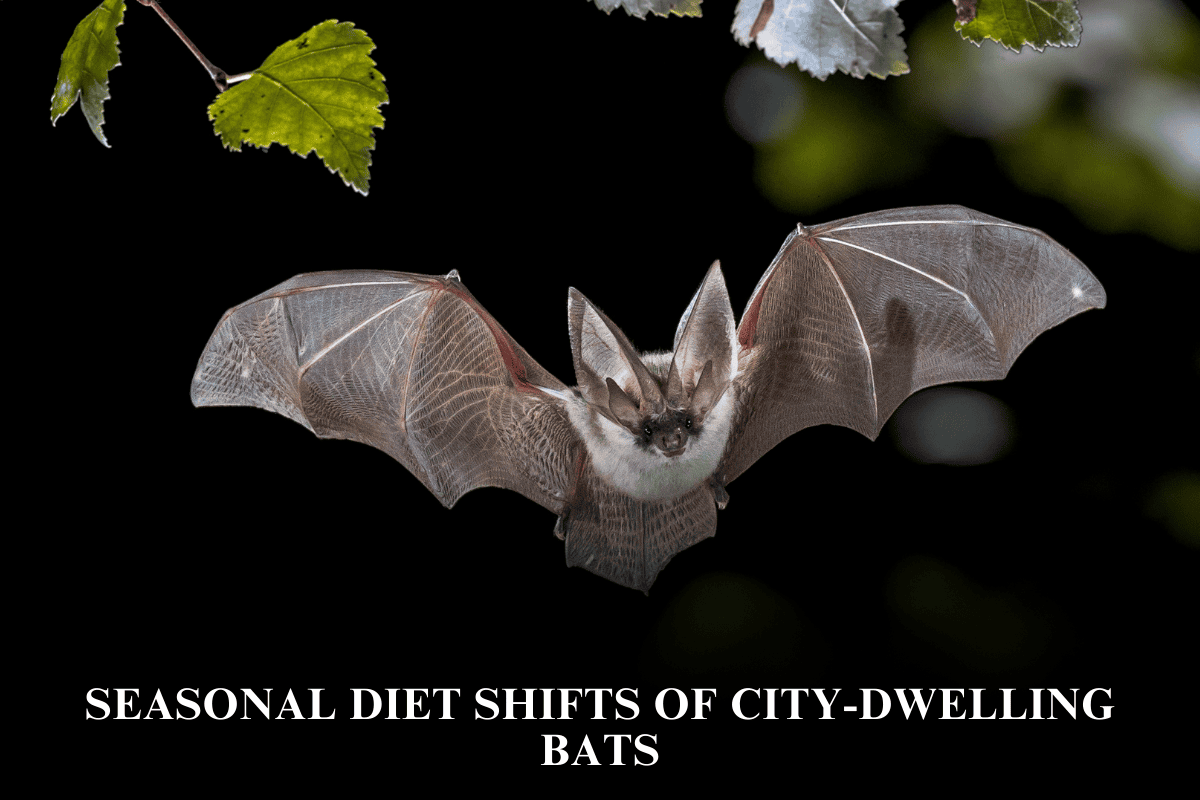
Improving human–bat relations through public education is essential for bat conservation, ecosystem health, and pandemic prevention. Bats provide unique environmental benefits such as pest control, pollination, and seed dispersal but often suffer from negative public perceptions and human-induced threats.
Effective Strategies for Education and Engagement
- Increasing Knowledge and Positive Attitudes:
Educational events and exhibits centered on bats have successfully increased public knowledge about bat conservation and fostered more positive attitudes. People who participate in such programs are more willing to engage in bat-friendly behaviors like planting wildflower gardens and installing bat houses. - Demystifying Myths and Reducing Fear:
Public education helps dispel myths that associate bats primarily with disease and danger. By presenting facts about bats’ ecological roles and safe interaction practices, education reduces fear and persecution, encouraging coexistence. - Integrating Conservation and Public Health Messaging:
Programs like MENTOR-Bat promote One Health concepts, teaching how conservation and public health efforts intersect. Educating on safe coexistence reduces zoonotic spillover risks and supports bat protection as part of pandemic prevention strategies. - Engaging Diverse Audiences:
Inclusive education that reaches various demographics, including rural communities with frequent human-bat interactions, fosters broader stewardship. Tailored programs address cultural beliefs, gender-specific knowledge gaps, and local conditions. - Citizen Science and Community Involvement:
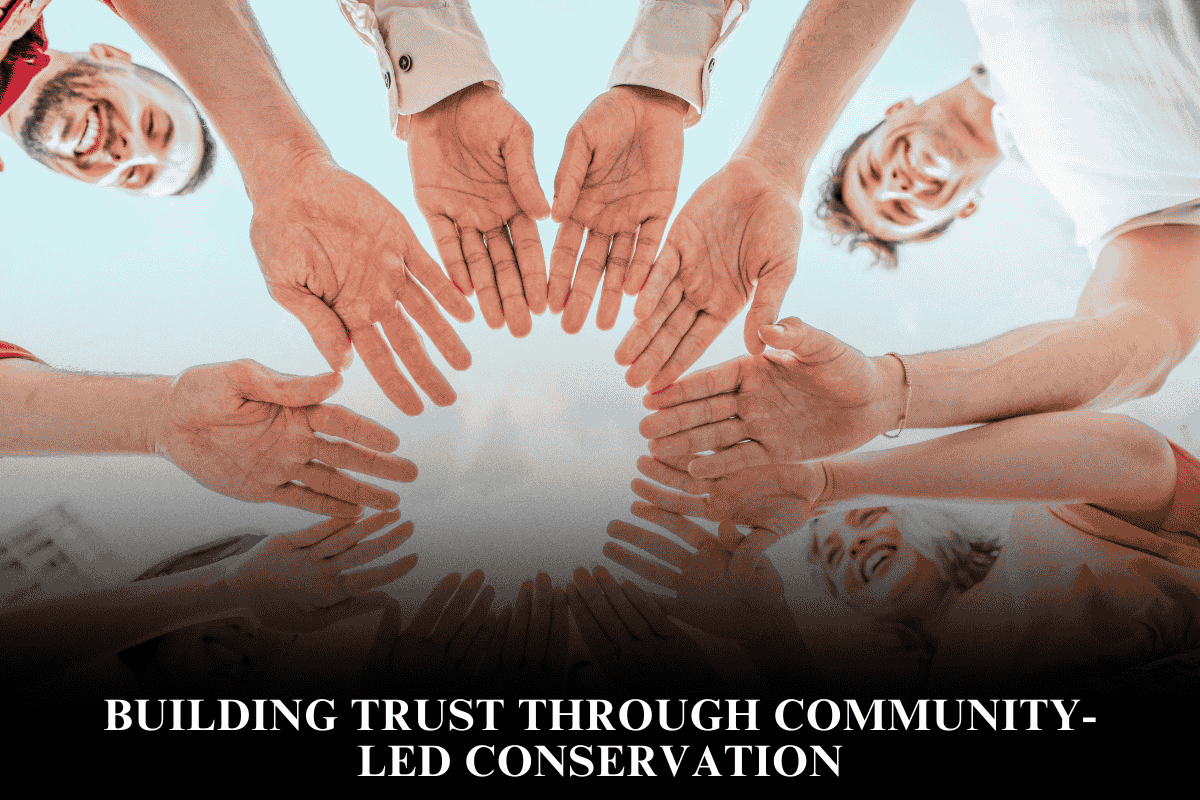
Projects inviting public participation in bat monitoring and research increase citizen awareness, engagement, and learning outcomes, empowering communities as active conservation partners.
FAQs
Q1: Why is public education important for bats?
A1: It increases conservation knowledge, promotes positive attitudes, and encourages behaviors that protect bats.
Q2: How can education reduce fear of bats?
A2: By debunking myths and providing factual information about bats’ role and safe interactions.
Q3: What is the One Health approach in bat education?
A3: It links bat conservation with public health to reduce disease risk and promote coexistence.
Q4: How can citizen science help in bat conservation?
A4: It engages communities in data collection, improving awareness and stewardship.
Q5: Who benefits from targeted education on bats?
A5: Diverse groups, especially those living near bats or involved in related industries, benefit from tailored programs.