Coexisting with urban wildlife involves respectful, informed, and proactive strategies that balance the needs of both humans and animals in cities. Key approaches include protecting natural habitats within urban areas, reducing wildlife attractants like unsecured garbage, and educating communities about local species and their behaviors.
Humane deterring techniques and promoting green corridors help maintain habitat connectivity while minimizing conflicts. Cities can become thriving shared environments through thoughtful urban design, community involvement, and wildlife-sensitive practices.
Strategies for Coexisting With Urban Wildlife
- Maintain Respectful Distance and Avoid Feeding: Always observe wildlife from afar to ensure safety on both sides. Feeding wildlife causes dependence and health issues; instead, support natural food sources like native plants and bird feeders.
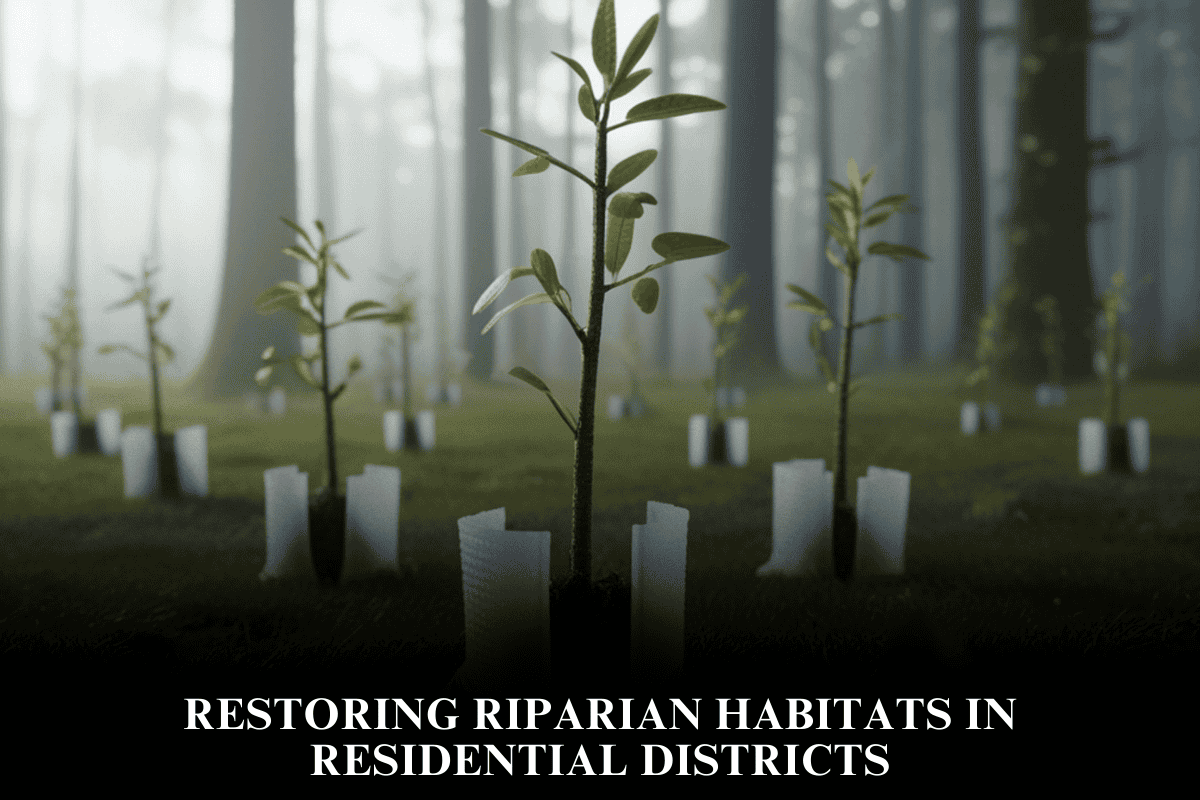
- Protect and Enhance Habitats: Safeguard green spaces, plant native vegetation, and avoid pesticides. Wildlife corridors and green parks act as critical habitats and migration paths within cities.
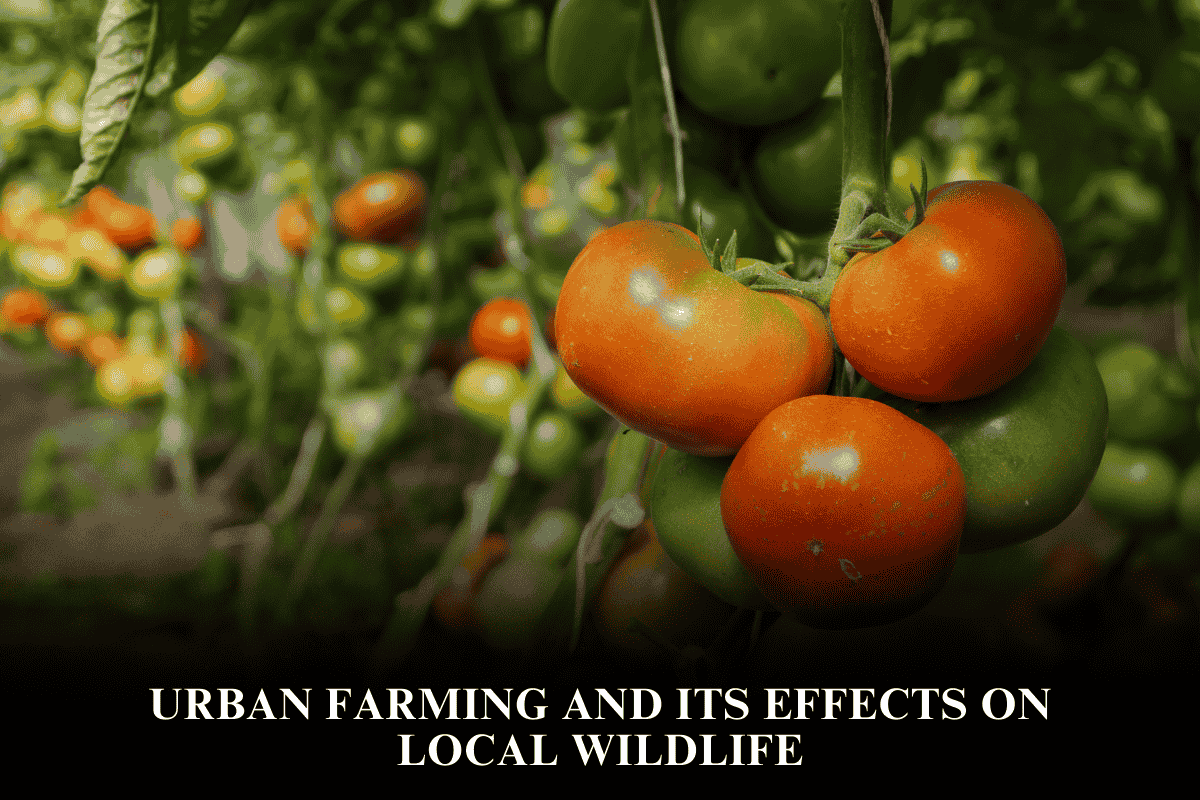
- Manage Attractants and Secure Trash: Use wildlife-proof garbage containers, keep pet food indoors, and clean up fallen fruits to reduce attractants that draw wildlife into conflicts with humans.
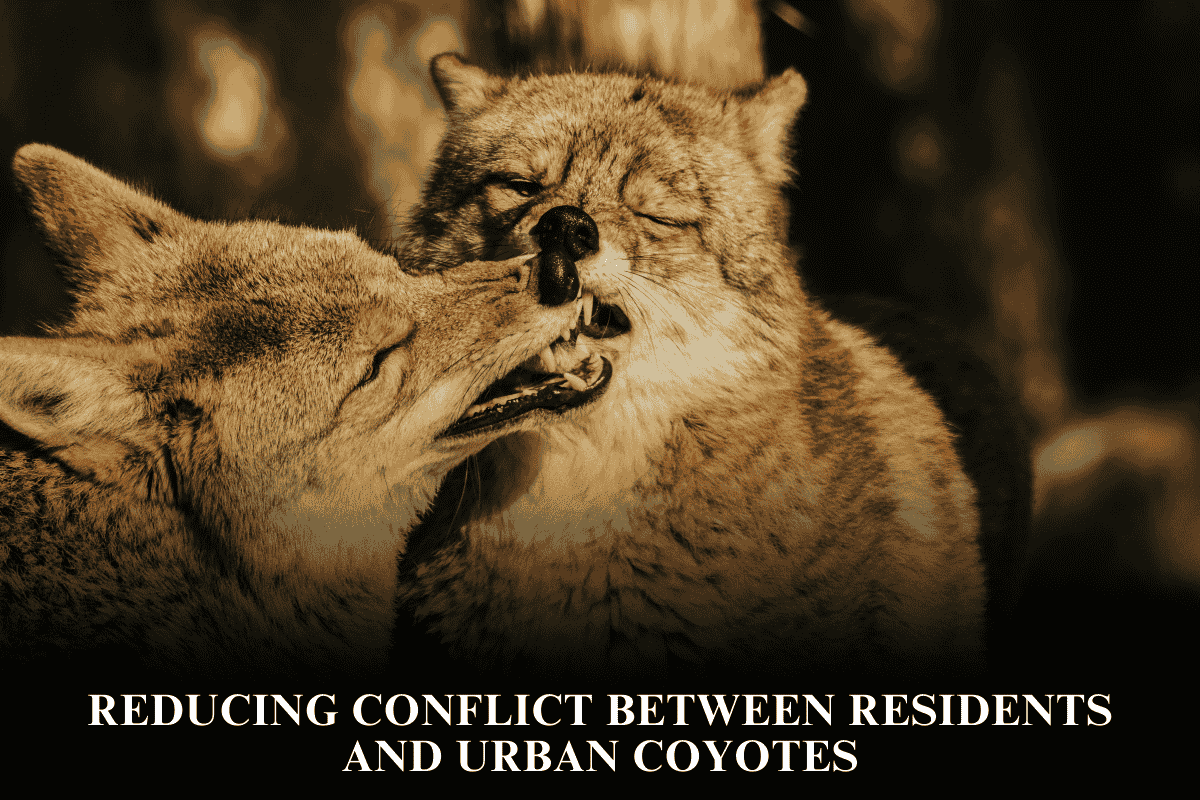
- Humane Deterrents and Behavior Education: Utilize motion-activated lights or sprinklers to deter animals like coyotes and foxes from residential zones. Educate people on how to safely react to urban wildlife encounters and discourage habituation or interaction beyond observation.
- Support Wildlife-Friendly Urban Planning: Encourage urban design that integrates wildlife needs, such as green roofs, underpasses for safe crossings, and parks designed to enhance biodiversity, which reduces habitat fragmentation and fosters coexistence.
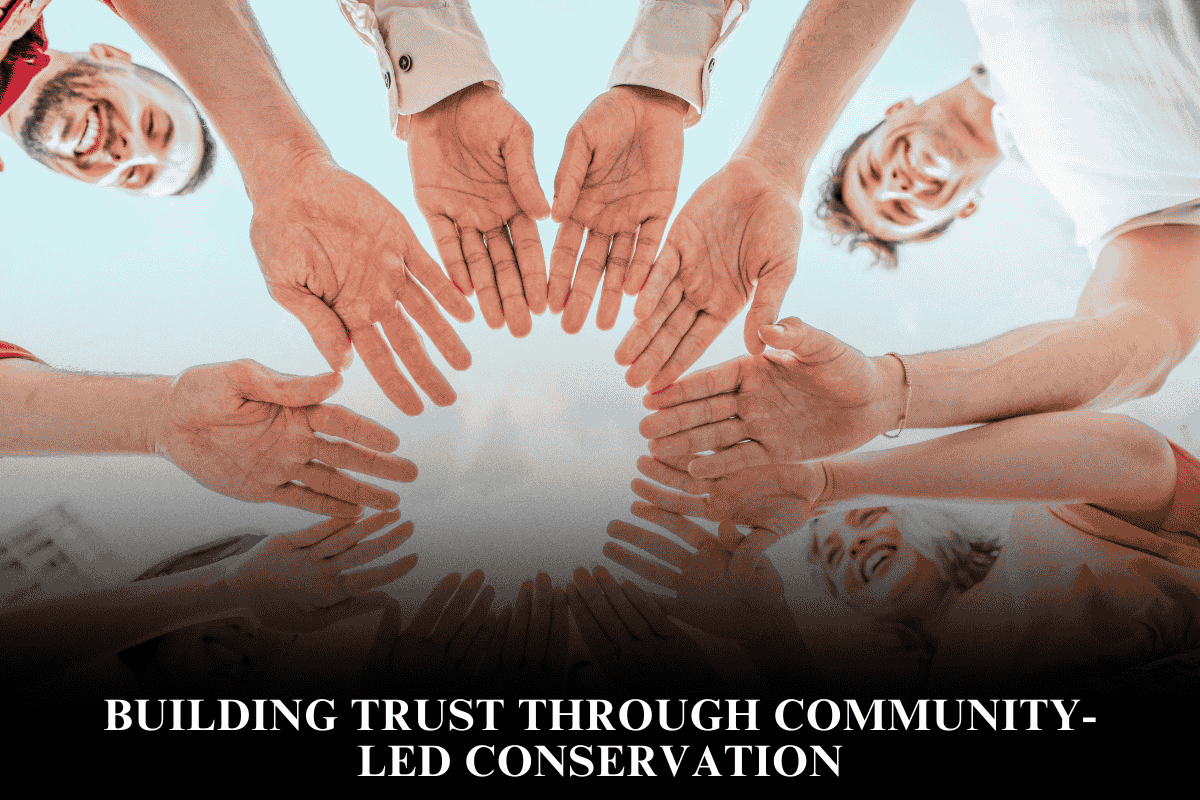
- Community Awareness and Collaboration: Promote education campaigns to dispel myths about wildlife, encourage active coexistence practices, and involve citizens in local wildlife monitoring and conservation efforts.
These strategies aim to normalize human-wildlife interactions while minimizing conflicts and fostering a healthy urban ecosystem where both humans and wildlife can thrive together.
FAQs
Q1: What is urban wildlife?
Urban wildlife consists of animals that live and thrive in cities by adapting to human-made environments such as parks, gardens, and buildings.
Q2: How do animals adapt to city life?
They undergo rapid evolutionary changes driven by urban challenges like new surfaces, food availability, and human presence. These adaptations can be physical, behavioral, or dietary.
Q3: Can you give examples of adaptations?
Examples include lizards developing bigger toe pads for climbing urban structures and mice evolving to digest human food better.
Q4: Are all species able to adapt to urbanization?
No, only species with certain traits can adapt, leading to some thriving while others decline.
Q5: Why are cities important for wildlife?
Cities can become refuges supporting biodiversity with green spaces and parks, contributing to ecosystem resilience.