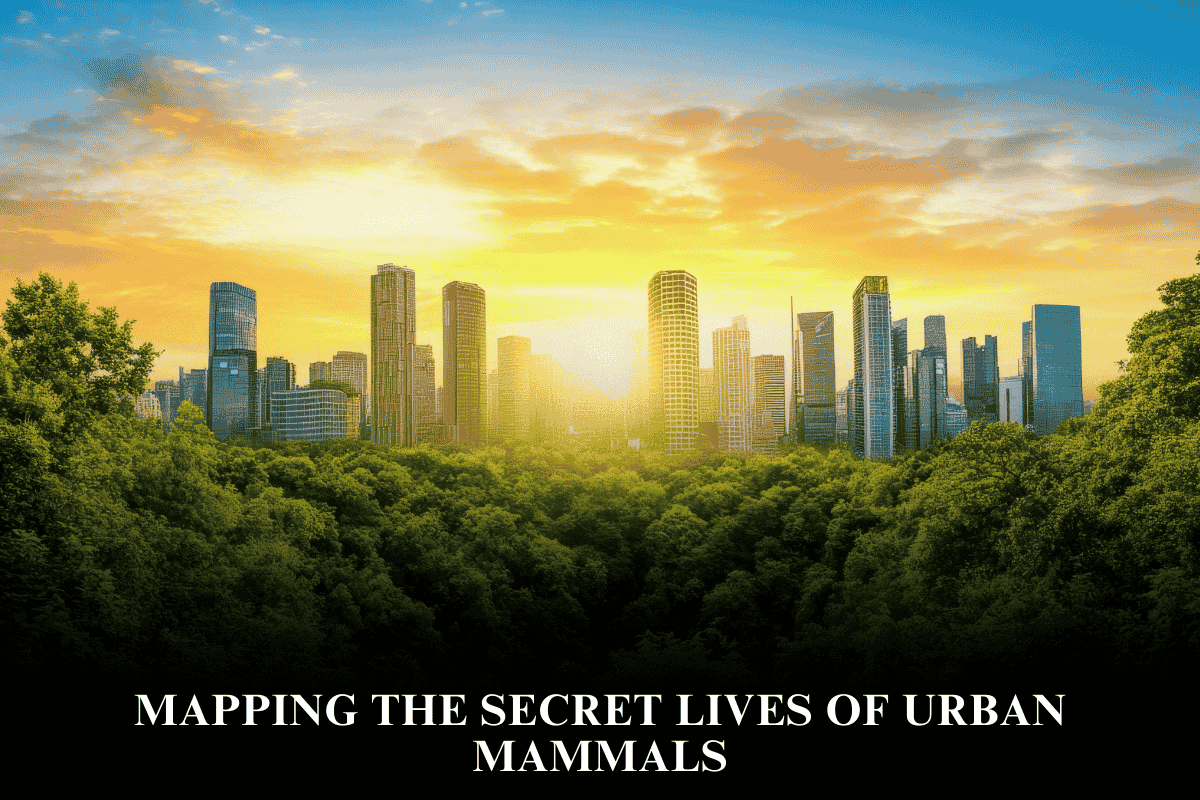
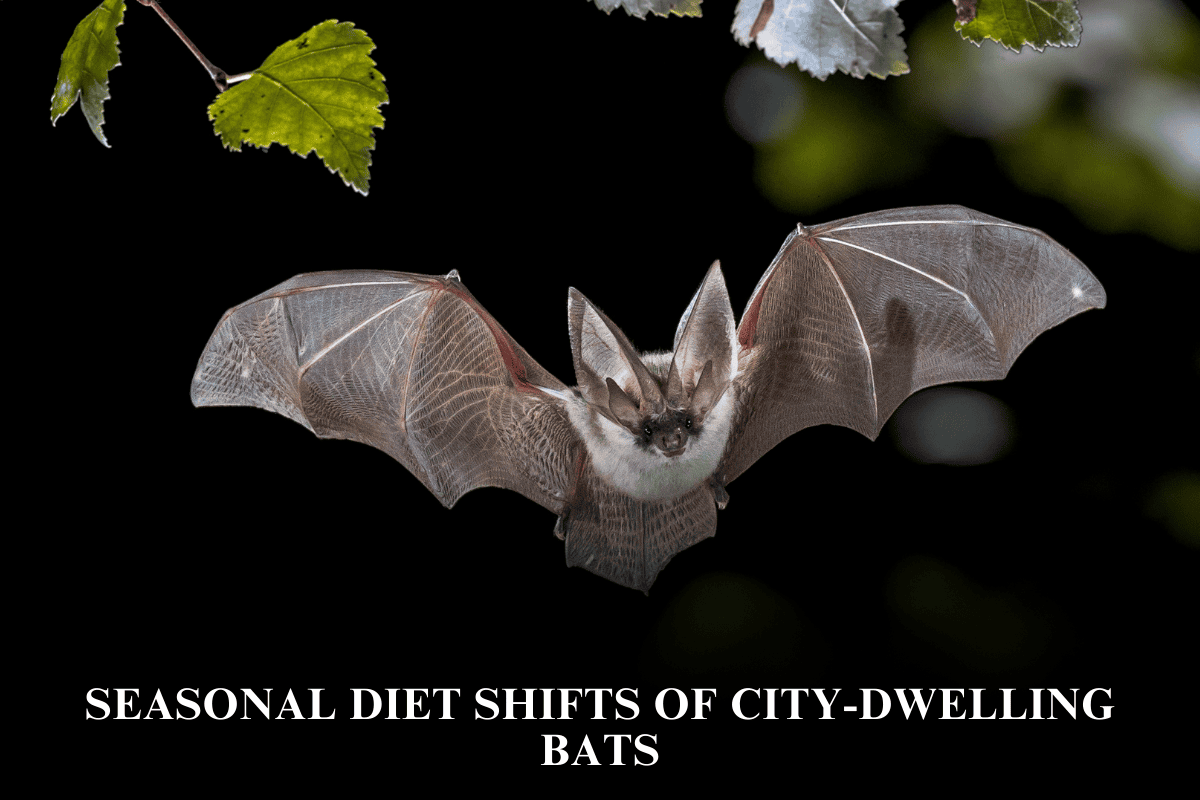
Migration corridors are critical pathways that many species use to travel between breeding and feeding grounds. However, increasing light pollution disrupts these natural routes, negatively impacting migratory animals such as birds, insects, and sea turtles, and causing substantial ecological consequences.
How Light Pollution Affects Migration Corridors
- Disorientation and Navigation Disruption:
Artificial light sources act as both attractants and repellents, causing migratory animals to become disoriented and stray from traditional routes. This diversion leads them away from vital habitats needed for resting and feeding during long journeysArtificial light sources can mislead migratory species, leading them astray from their traditional routes and critical habitats. - Increased Collision Risks:
Bright urban lights increase the risk of fatal collisions for nocturnally migrating birds that circle illuminated buildings, communication towers, and other structures. Millions of birds die annually due to such collisions linked directly to light pollutionMillions of birds die colliding with needlessly illuminated buildings and towers. - Altered Timing and Behavioral Changes:
Light pollution interferes with internal biological clocks and physiological processes, shifting the timing of migration, breeding, and feeding behaviors. These changes can reduce individual fitness and disrupt ecological balances dependent on precise seasonal timingLight pollution alters the timing of migratory behavior… interfering with physiological processes and internal biological clocks. - Ecosystem-Wide Effects:
As migratory species fulfill essential roles in ecosystems, disruptions in their migration can have cascading effects, altering predator-prey dynamics and plant pollination, and affecting biodiversity across landscapesDisruptions to migratory behavior can have negative cascading effects on entire ecosystems.
Conservation and Mitigation Measures
- Use of shielded, lower intensity, and motion-sensor lighting near migration corridors to reduce skyglow.
- Timing lights off or dimming during peak migration seasons, especially at night.
- Designing bird-safe buildings and towers to minimize collision risks.
- Raising public awareness about the impacts of light pollution on wildlife migration.
FAQ: Migration Corridors and Light Pollution
Q: Why are migration corridors critical for wildlife?
A: They provide safe, navigable routes and habitats needed for resting, feeding, and breeding during long-distance movements.
Q: How exactly does light pollution disorient migratory birds?
A: Artificial lights confuse their natural navigational cues based on stars and moonlight, causing circling, exhaustion, or diversion to hazardous areas.
Q: What species are most affected by light pollution in migration?
A: Nocturnally migrating birds, sea turtles, moths, bats, and other nocturnal and migratory animals.
Q: Can technology help reduce light pollution’s effects?
A: Yes, advanced lighting design, such as downward-directed lighting and adaptive controls, helps mitigate impacts.
Q: How can individuals contribute to reducing light pollution?
A: By limiting outdoor light use, advocating for wildlife-friendly lighting policies, and supporting dark-sky conservation initiatives.