Rewilding urban greenspaces with native plants is a powerful strategy to restore biodiversity, enhance ecosystem services, and reconnect city dwellers with nature. Using native flora supports local wildlife adapted to these plants, creating self-sustaining habitats that improve ecological health and resilience in cities.
Benefits of Rewilding with Native Plants
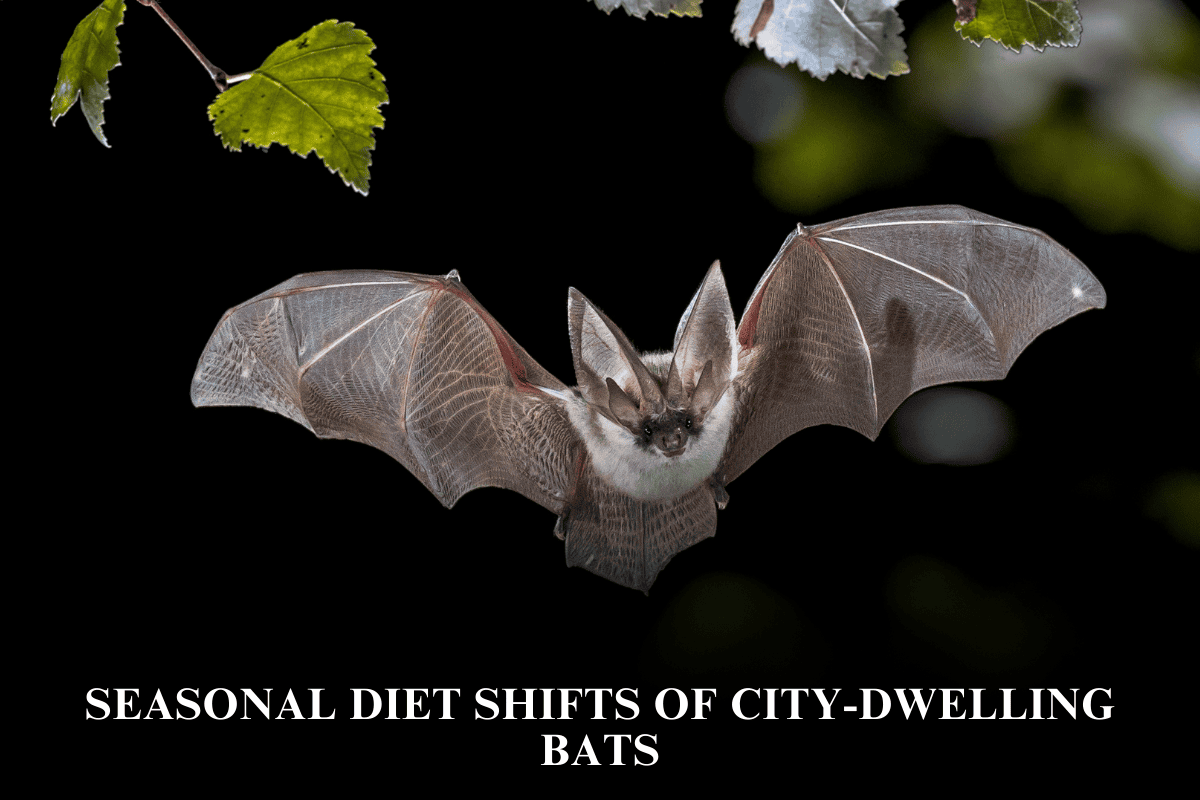
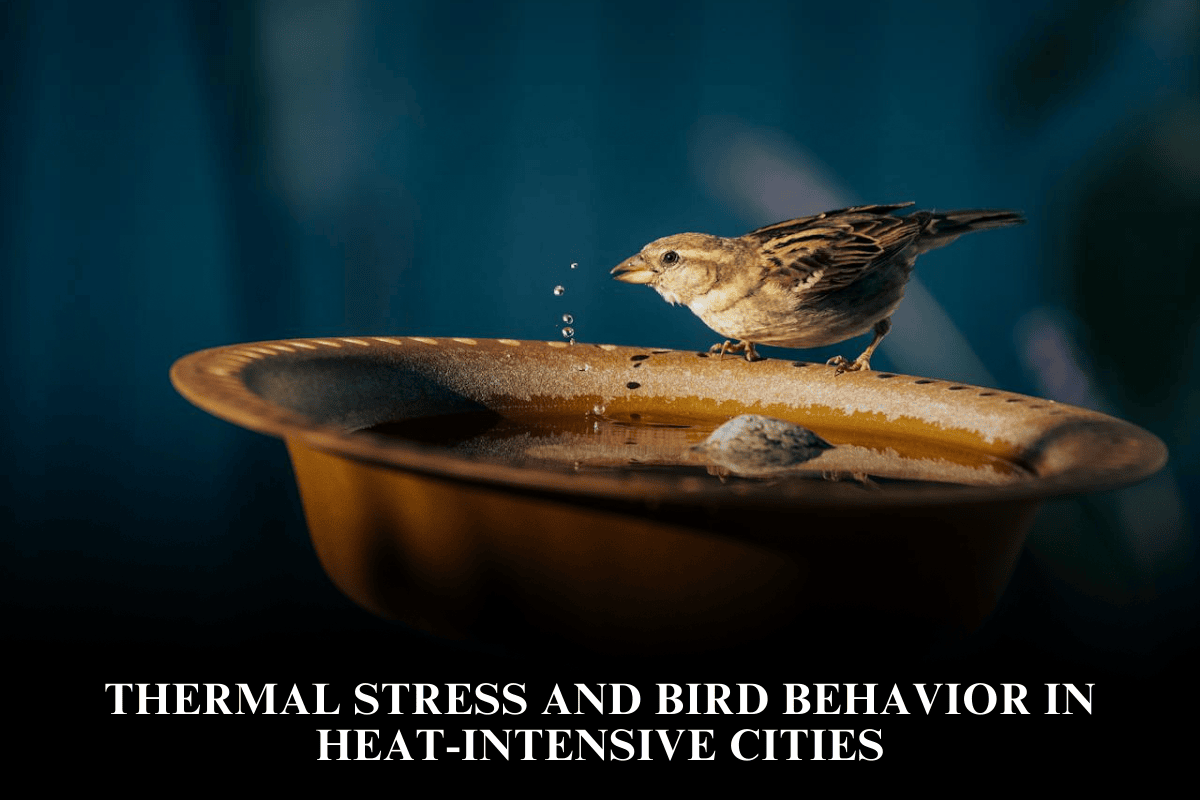
- Supports Native Wildlife: Native plants provide essential food, shelter, and breeding habitat for pollinators, birds, mammals, and invertebrates uniquely adapted to local flora. This promotes species richness and ecosystem complexity.
- Enhances Ecological Functions: Native vegetation improves soil health, water retention, and nutrient cycling while limiting invasive species spread. Established native plants also resist pests better and require less maintenance.
- Climate Resilience: Native plants, suited to local climatic conditions, help urban greenspaces withstand heat, drought, and storms, supporting biodiversity under changing climate scenarios.
- Community Engagement: Rewilding projects often involve community participation in planting, stewardship, and environmental education, strengthening local connections to natural heritage.
- Aesthetic and Mental Health Benefits: Native plant landscapes provide diverse textures, colors, and seasonal changes that enrich urban aesthetics and improve mental well-being.
Approaches to Urban Greenspace Rewilding
- Replacing turf lawns and exotic ornamentals with native meadows, shrubs, and trees.
- Creating pollinator gardens with native wildflowers and grasses.
- Restoring riparian zones along urban streams with native shrubs and trees.
- Integrating native plants into parks, community gardens, and green roofs.
FAQs
Q1: Why use native plants for urban rewilding?
They support wildlife that evolved locally and contribute to resilient, healthy ecosystems.
Q2: How do native plants improve urban ecosystem services?
By enhancing soil, water, and nutrient functions, and controlling invasive species.
Q3: Can native plants handle urban climate challenges?
Yes, they are adapted for local conditions and promote climate resilience.
Q4: How can communities participate in rewilding?
Through planting, maintenance, education, and stewardship programs.
Q5: What benefits do native plants offer to people?
Improved aesthetics, connection to nature, and mental health enhancement.