Urban bats and owls play essential but often hidden roles in city ecosystems as nocturnal neighbors. They navigate the night with specialized adaptations to forage, roost, and reproduce despite urban challenges like artificial light, noise, and habitat loss. Understanding their secret lives provides insight into their ecological importance and informs coexistence strategies.
Urban Bats
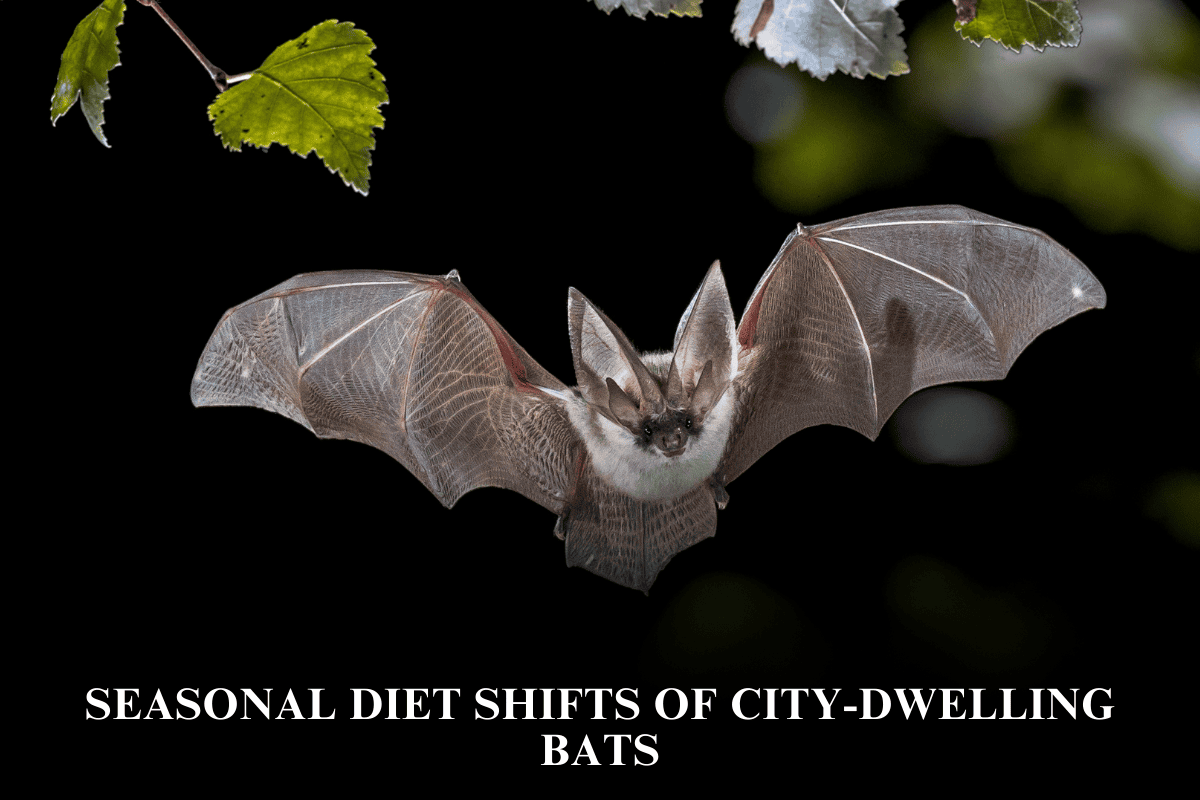
- Bats are highly adaptable and often find roosts in buildings, attics, bridges, and tunnels when natural sites shrink. Urban areas provide abundant food since many bats feed on insects attracted to artificial lights, though light also disrupts some species’ natural behaviors.
- Noise pollution, artificial night lighting, and urban structures can adversely impact bat echolocation, feeding, and roosting, affecting sensitive species more than tolerant ones.
- Studies show bat diversity and activity decrease toward urban centers, with green patches and water bodies critical for sustaining populations.
- Conservation efforts recommend reducing nighttime lighting, preserving mature trees, ensuring access to water bodies, and educating the public about bats’ benefits such as pest control.
- Bats face threats from electrocution on power lines, habitat destruction, and sometimes human fear-driven persecution, despite their ecological importance.
Urban Owls
- Owls in cities exploit quiet night hours for hunting rodents and small mammals. They benefit from parks, large trees, and even old buildings for nesting.
- Nocturnal and sensitive to disturbance, owls often avoid brightly lit or noisy parts of cities.
- As apex nocturnal predators, they help regulate urban rodent populations, contributing to ecosystem balance.
FAQs
Q1: Why do bats and owls live in cities?
Cities provide roosting sites, abundant food (insects for bats, rodents for owls), and relative safety from some predators.
Q2: How does artificial light affect urban bats?
Light attracts prey insects but disrupts bats’ natural rhythms, especially for light-sensitive species, reducing their activity and health.
Q3: What threats do urban bats face?
Habitat loss, electrocution, noise pollution, light pollution, and human persecution threaten urban bats.
Q4: How can cities support bat populations?
By minimizing artificial lighting at night, preserving green and water spaces, and protecting natural roosting sites.
Q5: How do owls contribute to urban ecosystems?
Owls control rodent populations, helping maintain ecological balance at night [general knowledge].