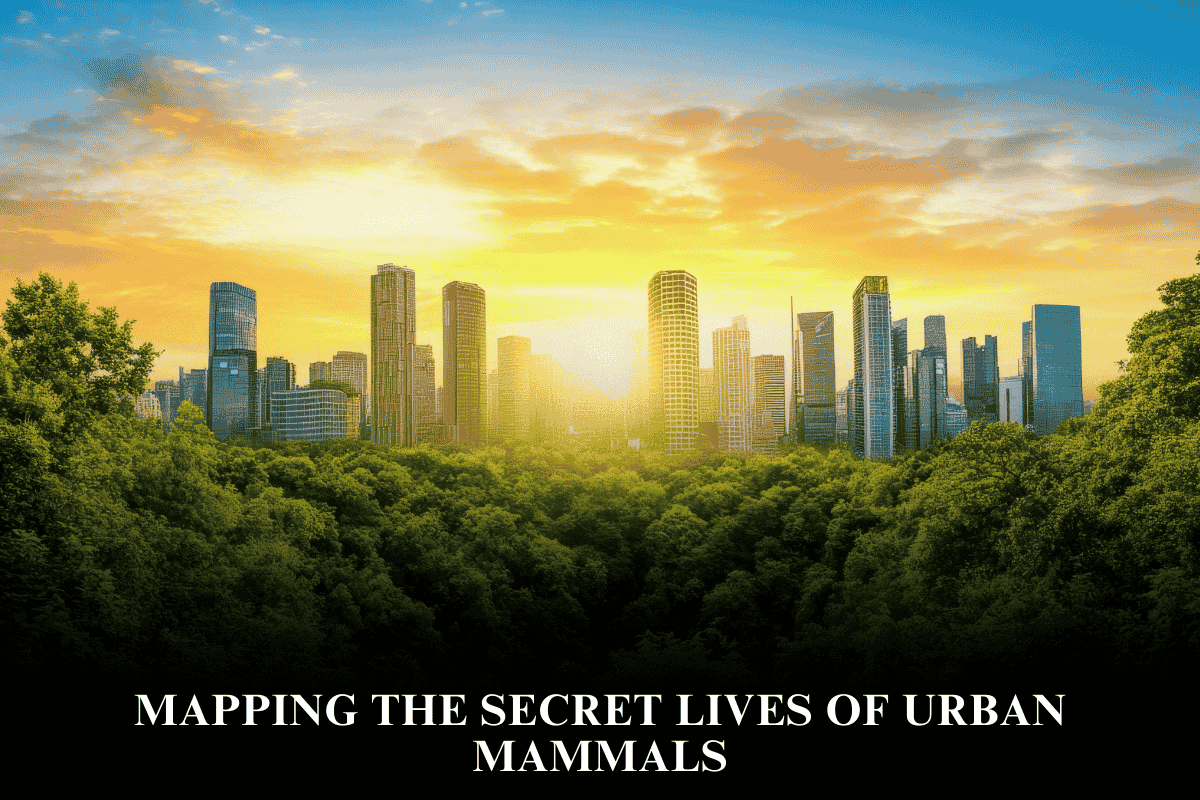
Nocturnal mammals adapt their movement and activity patterns in response to the unique challenges of dense urban cores. To avoid human activity, predation, and traffic, many species shift to increased nighttime activity, modulate use of green spaces, and navigate complex urban landscapes in ways that balance survival and resource access.
Key Findings on Nocturnal Movement Patterns
- Increased Nocturnality with Human Density:
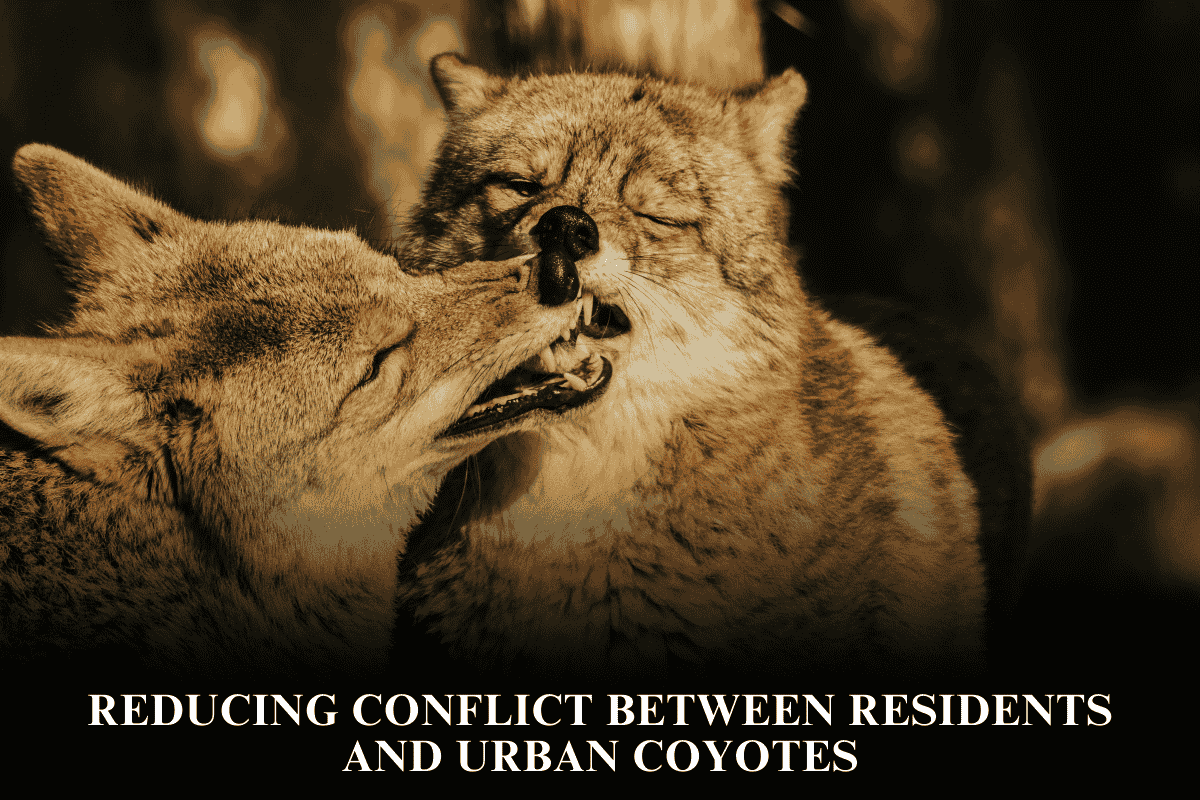
Species like coyotes are more active at night in areas with higher human population densities, using darkness as a shield to avoid encounters with people. - Species-Specific Responses:
While some predators increase nocturnal activity, prey species such as raccoons and white-tailed deer may reduce night activity in highly populated areas, possibly using daytime human activity for protection against nocturnal predators. - Influence of Urban Green Space:
Availability of green spaces affects nocturnal behavior. For example, red foxes avoid night hours where greenspaces are abundant, while skunks and deer often increase nighttime activity with more greenery. - Impact of Impervious Surfaces and Traffic:
Areas with extensive roads and parking lots drive species to adjust temporal patterns to reduce road mortality, often increasing nocturnality despite risks such as vehicle collisions. - Complex Behavioral Trade-Offs:
Urban mammals balance the risk of predation, competition, human disturbance, and resource availability by altering their diel movement patterns, demonstrating remarkable behavioral flexibility. - Role of Urban Trees and Habitat Connectivity:
Nocturnal wildlife relies on urban trees as shelter and corridors, facilitating safe nighttime movement and foraging in fragmented city habitats.
FAQs
Q1: Why do some mammals become more nocturnal in cities?
A1: To avoid human activity and reduce risk of encounters and disturbances.
Q2: Do all mammals increase night activity in urban areas?
A2: No, responses vary by species, with some prey reducing nocturnality to avoid predators.
Q3: How does urban green space affect nocturnal movement?
A3: More green space can increase or decrease night movement depending on species and habitat needs.
Q4: What risks do urban mammals face at night?
A4: Vehicle collisions and limited safe corridors pose significant risks.
Q5: How do urban mammals adapt to fragmented habitats?
A5: They use urban trees and landscape features as nighttime refuges and movement pathways.