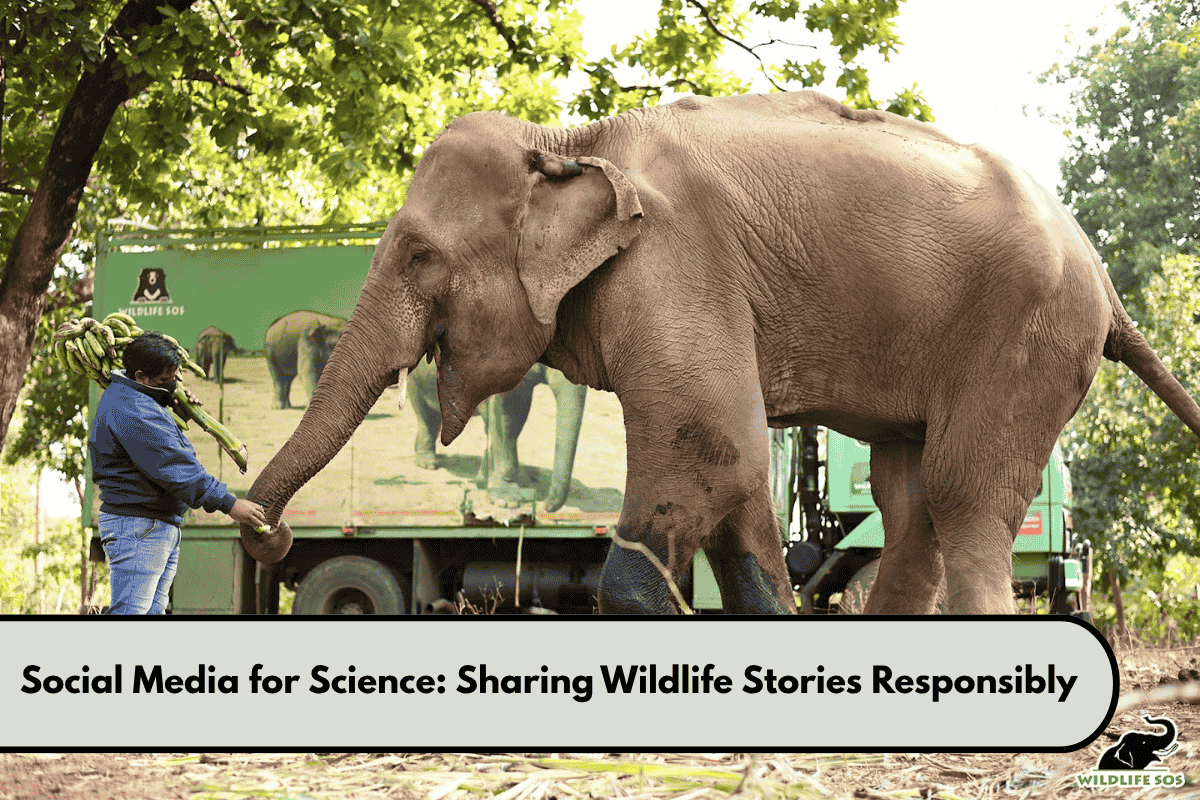
Social media is an incredibly powerful tool in sharing wildlife stories and advancing conservation efforts, but it also carries responsibilities to ensure ethical, accurate, and effective communication so that it benefits wildlife and public understanding without causing harm.
Sharing Wildlife Stories Responsibly on Social Media
- Amplifying Conservation Messages: Social media platforms like Facebook and Instagram help conservationists reach broad audiences with compelling storytelling and visuals, increasing awareness, fundraising, and policy support for wildlife protection.
- Risks of Oversharing: Sharing detailed locations, especially of sensitive or endangered species like Snowy Owls, can lead to harassment, disturbance, or illegal trafficking. Overexposure of wildlife through viral content might encourage harmful human-wildlife interactions.
- Ethical Wildlife Photography and Content: Ethical photographers and communicators avoid stressing animals, respect privacy, and educate audiences about responsible wildlife interaction. Transparent sharing about methods and intentions helps reduce risky imitative behavior.
- Combating Misinformation: Accurate, science-based posts correct myths and harmful stereotypes about wildlife, fostering informed attitudes and positive conservation behaviors. Engagement with followers allows real-time clarifications and building community trust.
- Inclusive Storytelling: Highlighting diverse species and less-known urban wildlife broadens interest beyond ‘charismatic megafauna,’ promoting ecosystem-wide conservation values.
- Best Practices:
FAQs
Q1: How can social media help wildlife conservation?
By raising awareness, increasing public engagement, supporting fundraising, and influencing policy.
Q2: What are the risks of sharing wildlife images online?
Risks include disturbance to animals, illegal wildlife trafficking, and promoting harmful human behaviors.
Q3: How can I share wildlife stories ethically?
Avoid sensitive location details, respect animal privacy, provide accurate information, and educate your audience.
Q4: Why is misinformation a concern?
False information can perpetuate harmful stereotypes and reduce support for conservation efforts.
Q5: How to balance emotional appeal with scientific facts?
Use storytelling that engages emotions while grounding content in verified science to inspire informed action.