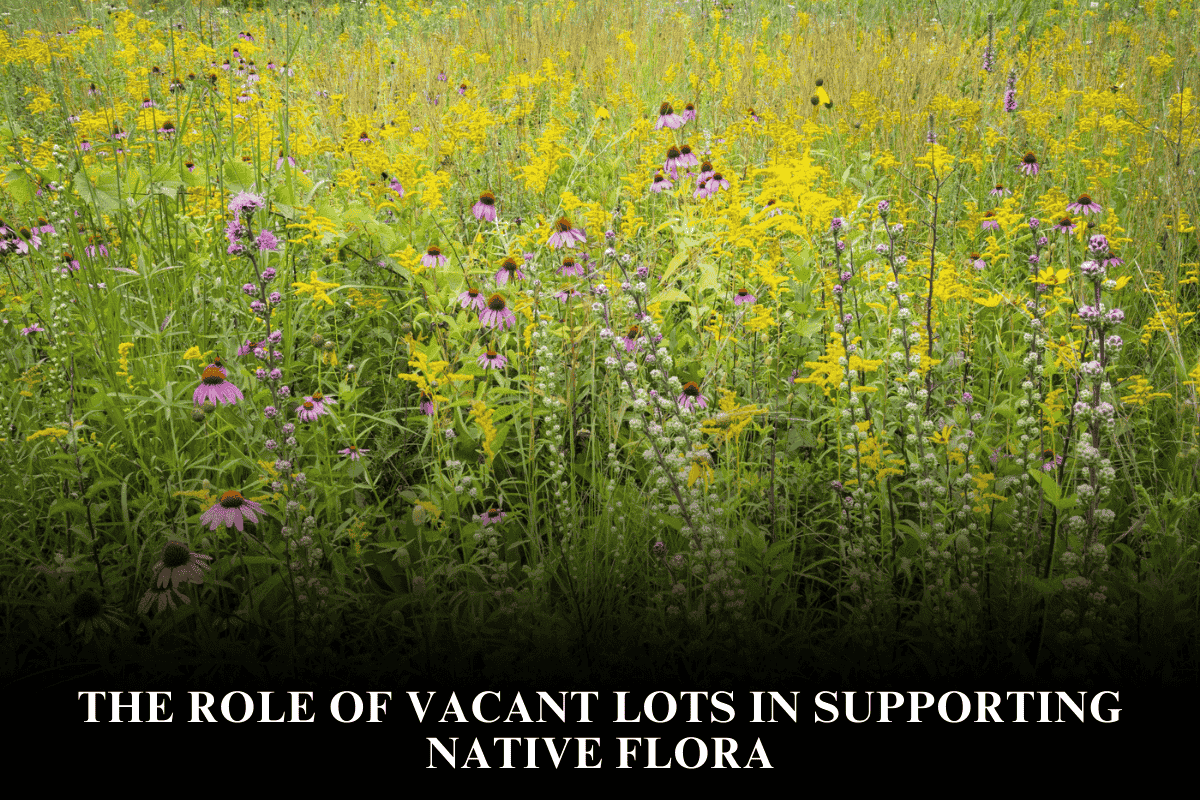
Vacant lots in urban environments serve crucial ecological functions by providing opportunities for the growth and conservation of native flora. These spaces, often overlooked, contribute significantly to biodiversity, habitat creation, and ecosystem services in cities.
Ecological Importance of Vacant Lots for Native Flora
- Biodiversity Refugia:
Vacant lots can harbor diverse native plant species and act as refuges for flora that struggle to survive in highly developed urban areas. These lots support a range of insects and pollinators dependent on native plants, creating critical urban ecosystems. - Ecosystem Services:
Native plants in vacant lots contribute to carbon sequestration, air purification, stormwater management, and soil remediation, thereby improving urban environmental quality. - Cost-Effective Restoration:
Studies show that low-input methods such as broadcast seeding are effective for establishing native plants in vacant lots, making urban greening accessible and sustainable for underserved neighborhoods. - Community and Social Benefits:
Turning vacant lots into native plant habitats can foster community stewardship, enhance neighborhood aesthetics, and provide educational opportunities about local ecology.
Challenges and Considerations
- Vacant lots often face threats from invasive non-native species that can outcompete natives if unmanaged.
- Soil quality and contamination may require remediation for successful native plant growth.
- Balancing ecological restoration with social safety and accessibility is essential for lasting positive impact.
FAQ: Vacant Lots and Native Flora
Q: Why focus on native plants in vacant lots?
A: Native plants are adapted to local climate and soil, support native wildlife, and provide robust ecosystem services.
Q: How can communities help maintain native flora?
A: Through stewardship programs, invasive species control, and educational outreach fostering local engagement.
Q: Are vacant lots suitable for urban conservation?
A: Yes, they are valuable green spaces that can connect fragmented habitats and improve urban biodiversity.