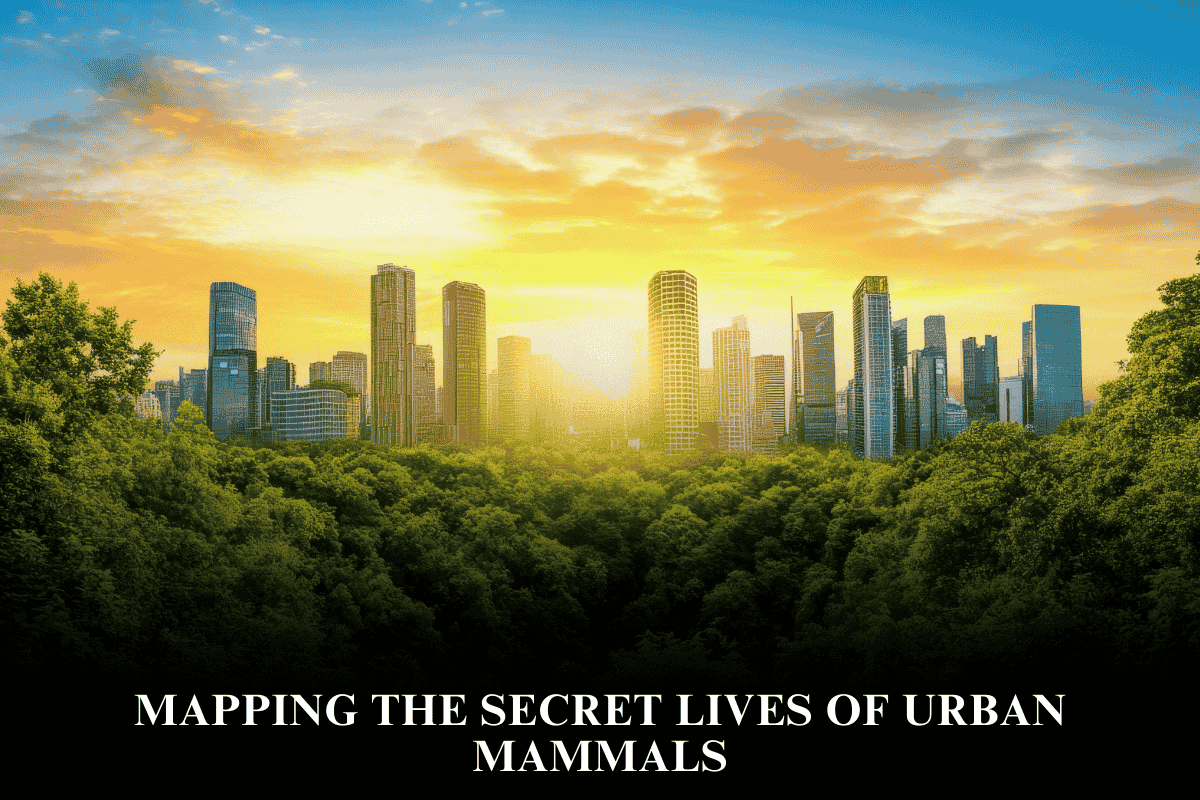
Green corridors play a crucial role in urban biodiversity by connecting fragmented green spaces and enabling species movement, which supports genetic diversity and ecosystem resilience. These corridors act as vital ecological links within cities, helping wildlife navigate otherwise isolated habitats and ensuring healthier urban ecosystems.
What Are Green Corridors?
Green corridors are continuous stretches of vegetation, such as tree-lined streets, riverbanks, and connected parks, that link larger natural areas within urban landscapes.
They provide safe passages for animals to move between habitats fragmented by roads, buildings, and other infrastructure. This connectivity helps maintain biodiversity by preventing population isolation and enabling dispersal, foraging, and breeding activities.
Benefits of Connectivity for Urban Biodiversity
One of the primary ecological benefits of green corridors is genetic exchange. By connecting isolated populations, corridors increase gene flow, which reduces inbreeding and enhances population resilience to threats like disease or environmental changes.
Connected habitats support a higher number and variety of species—from small mammals, insects, and pollinators to birds—thus enriching urban biodiversity.
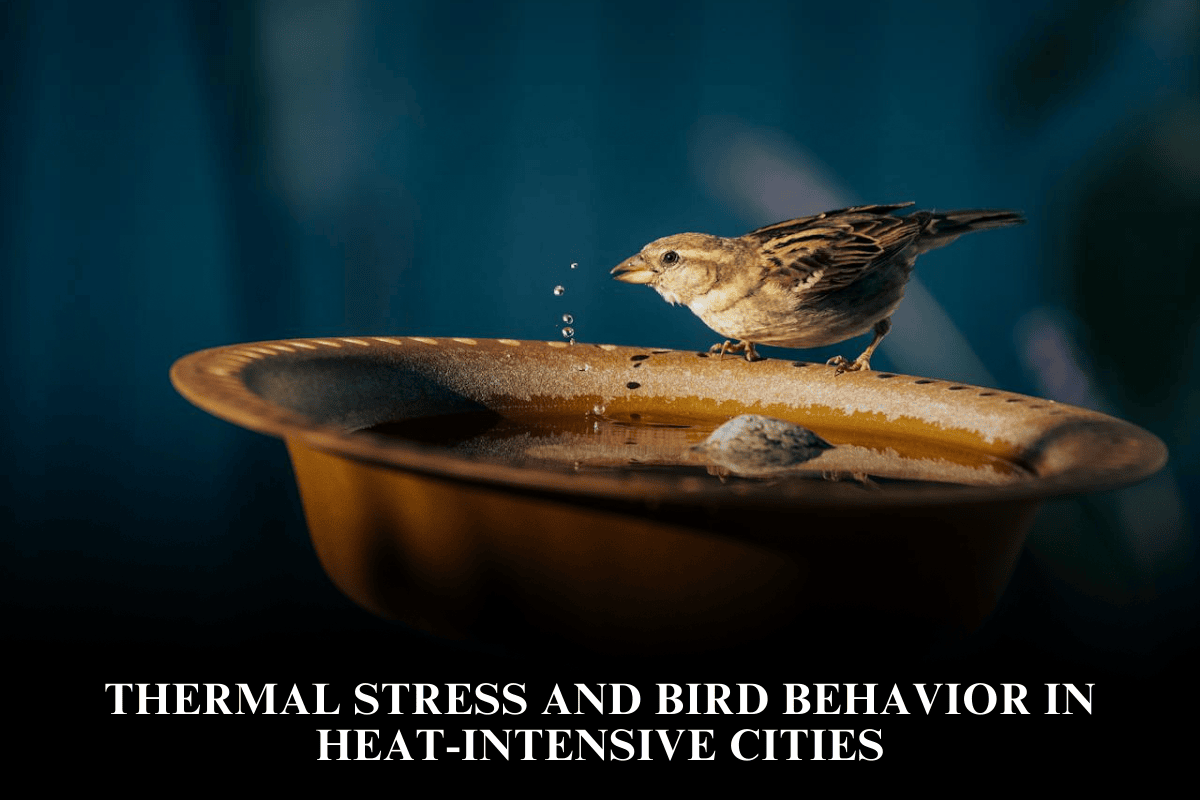
Green corridors also contribute to microclimate regulation by providing shade and maintaining moisture levels, mitigating urban heat island effects.
They improve air quality, reduce stormwater runoff, and offer residents access to green spaces that promote mental and physical well-being. The multifunctionality of green corridors boosts ecological services while enhancing urban livability.
Examples and Implementation Strategies
Successful green corridors include wildlife bridges over highways and riparian buffers along waterways. For instance, the green bridge in Nettersheim, Germany, allows animals to cross safely over the Autobahn, maintaining genetic flow and reducing roadkill.
Urban planning increasingly integrates green corridors by designing connected street trees, parks, and restored riverbanks to create cohesive habitats.
Effective implementation requires targeted spatial planning, community engagement, and collaboration among urban planners, ecologists, and policymakers.
Incorporating blue-green infrastructure—combining terrestrial and aquatic habitats—further enhances connectivity for species like amphibians that transition between environments.
Challenges and Future Directions
Challenges include balancing urban development with conservation goals, managing invasive species along corridors, and securing funding for maintenance. Future efforts focus on integrating advanced mapping technologies and ecological modeling to optimize corridor placement and design.
Enhancing public awareness about the importance of connectivity will support stronger conservation policies and more resilient cities.
Frequently Asked Questions
Q. What is the main purpose of green corridors in cities?
To connect fragmented habitats so wildlife can move freely, maintaining genetic diversity and ecosystem health.
Q. How do green corridors benefit urban communities?
They improve air quality, reduce heat, manage stormwater, and provide recreational spaces that boost physical and mental health.
Q. Can green corridors reduce the impact of urbanization on wildlife?
Yes. They mitigate habitat fragmentation effects by linking isolated populations and enabling migration, which helps populations survive and thrive.
Q. What are blue-green infrastructures?
These are integrated systems of aquatic (blue) and terrestrial (green) habitats designed to enhance biodiversity and manage water in urban areas.
Q. How do planners decide where to create green corridors?
Using species distribution data, connectivity modeling, and landscape ecology principles to target areas that maximize ecological benefits and functionality.