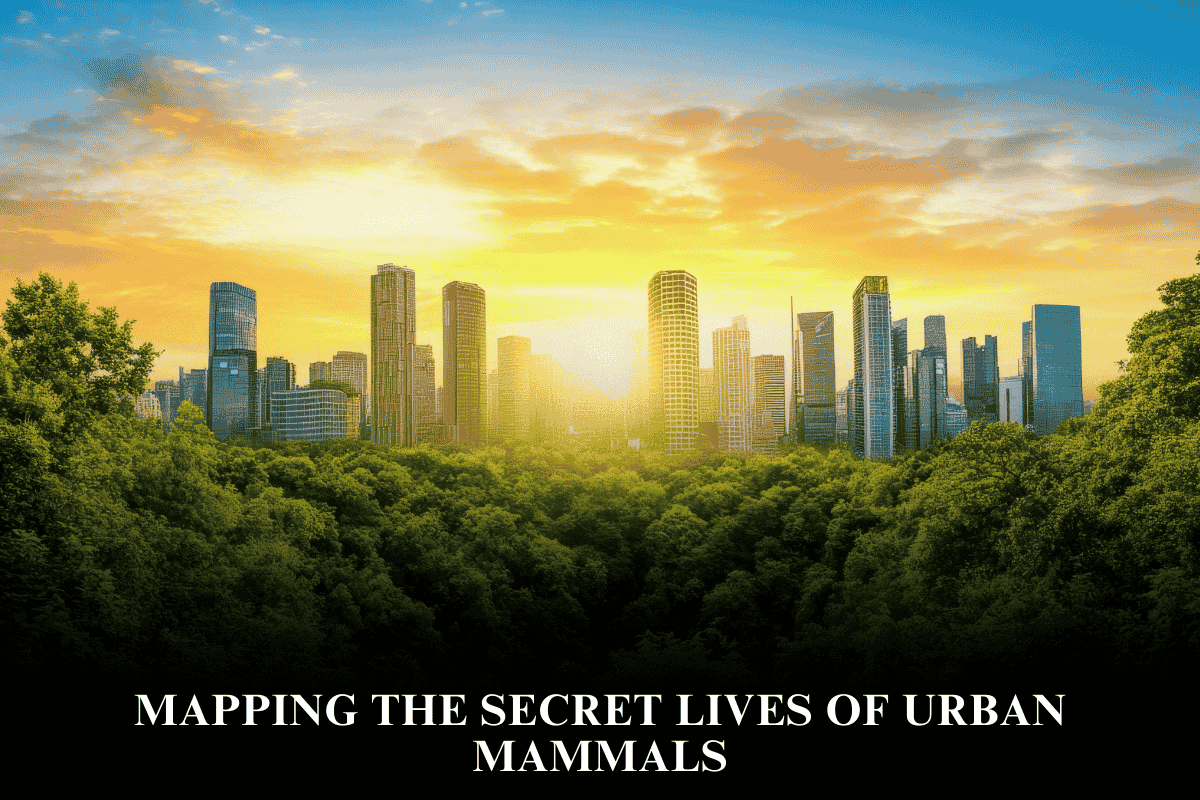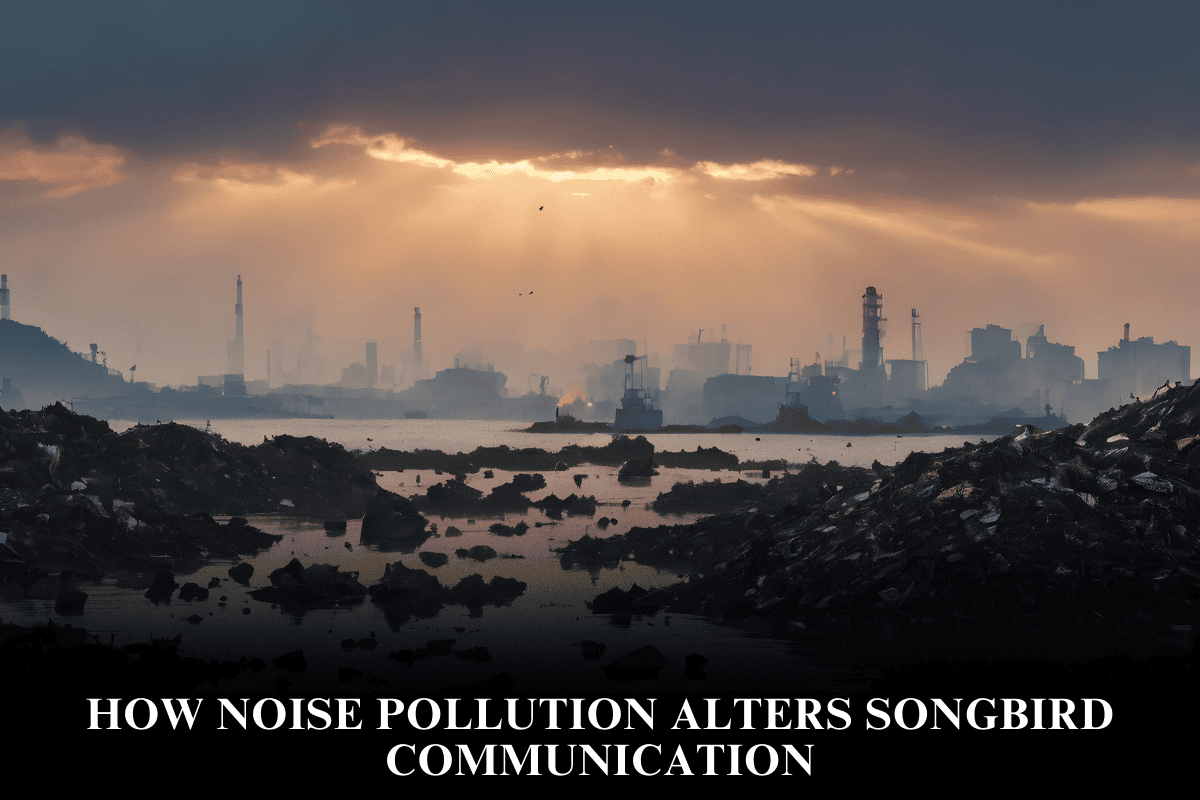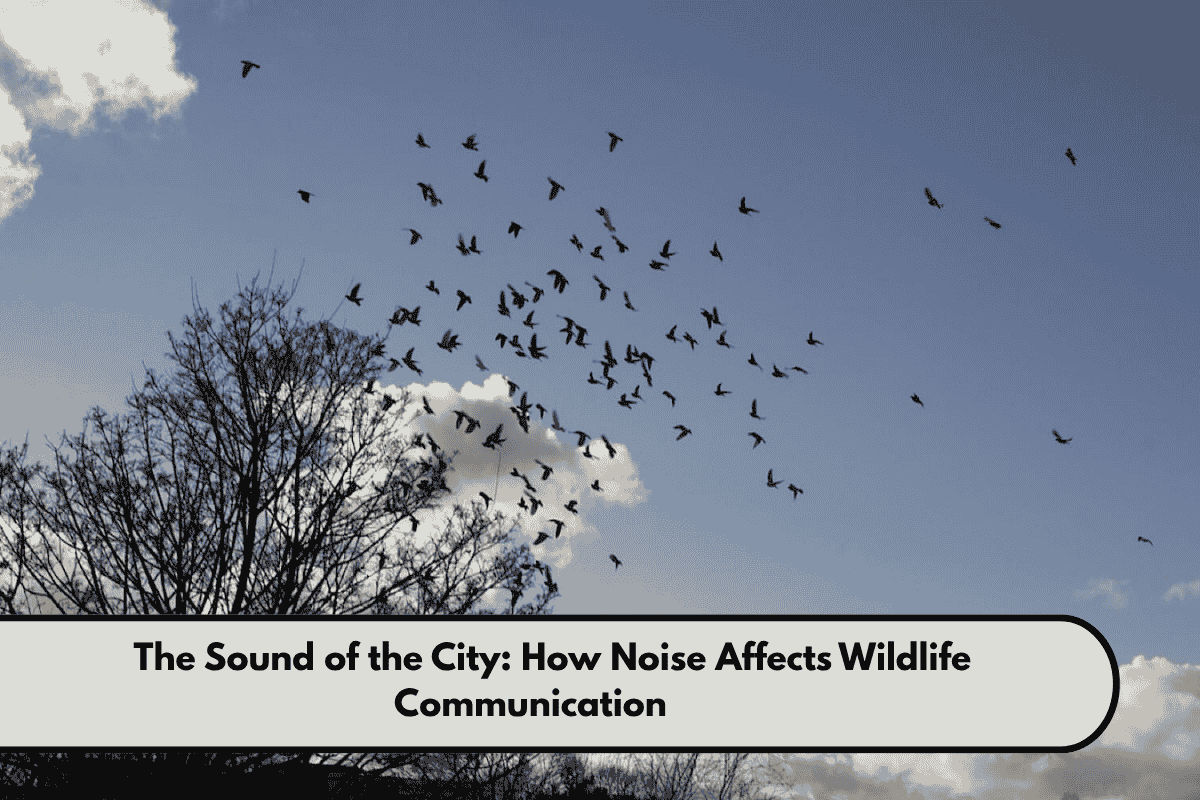
Noise pollution in cities profoundly affects wildlife communication, disrupting essential behaviors such as mating calls, predator warnings, and territorial signals. Urban noise from traffic, construction, industry, and human activity interferes with animals’ acoustic signals, leading to decreased reproductive success, altered behaviors, stress, and habitat displacement.
How Noise Affects Wildlife Communication in Cities
- Communication Interference: Many animals rely on sounds to attract mates, defend territories, or signal danger. Urban noise can mask these calls, reducing communication range and effectiveness, especially for birds and amphibians. Some species attempt to compensate by singing at higher pitches or during quieter times, but this may not fully mitigate the impact.
- Increased Stress and Behavioral Changes: Chronic noise exposure elevates stress hormone levels in wildlife, impairing immune function and reproduction. Animals may avoid noisy areas, altering habitat use and social structures. Noise also affects foraging and predator-prey dynamics by masking important sounds.
- Disruption of Ecosystem Functions: Changes in communication and behavior due to noise can cascade through ecosystems by affecting breeding success, species interactions, and community composition. For instance, pollinators and birds impacted by noise may influence plant reproduction and biodiversity.
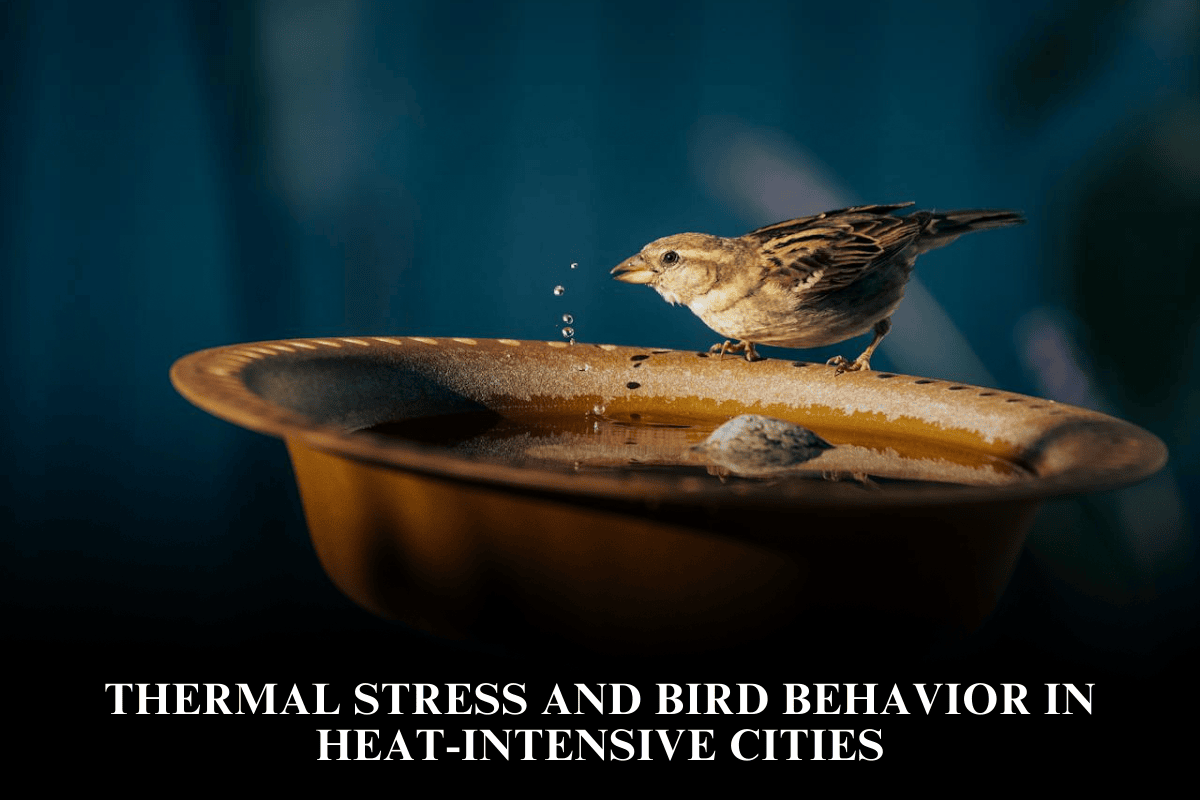
- Adaptive Behaviors: Some wildlife adapts by shifting vocalization frequency, timing, or becoming more nocturnal. However, adaptive capacity varies by species, and those unable to adjust may decline in urban areas.
- Conservation and Mitigation Measures: Reducing urban noise through better urban planning, traffic management, and creation of quiet refuges supports wildlife communication. Landscape design that incorporates sound barriers and vegetative buffers can create acoustic shelters.
FAQs
Q1: How does urban noise interfere with animal communication?
Noise masks sounds used in mating, danger alerts, and territorial calls, reducing communication success.
Q2: Which species are most affected?
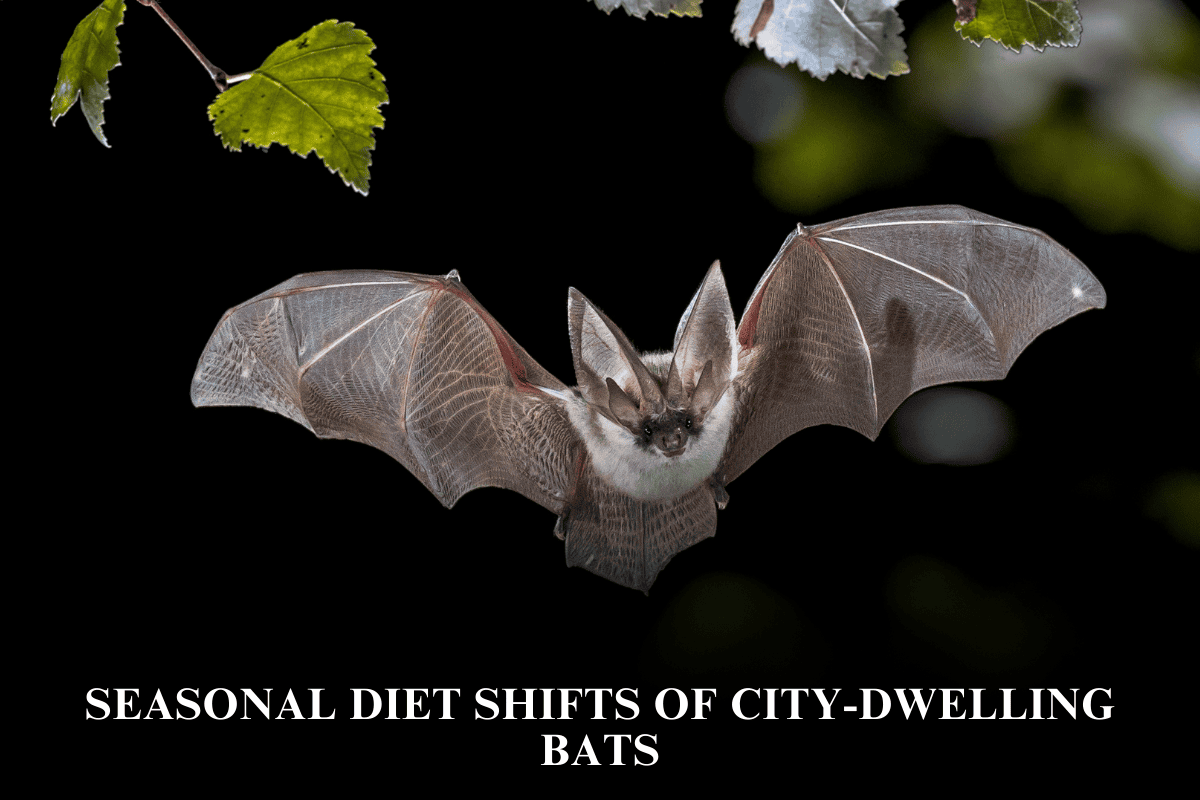
Vocal species like birds and amphibians suffer most; mammals using echolocation, like bats, are also impacted.
Q3: Can animals adapt to noise?
Some adapt by altering call pitch, timing, or becoming nocturnal, but adaptation varies by species.
Q4: What are the consequences of noise-induced communication disruption?
Reduced reproduction, increased stress, altered habitat use, and potential biodiversity loss.
Q5: How can cities reduce noise impacts on wildlife?
Implementing quieter technologies, traffic calming, sound barriers, and creating quiet green spaces can help.