Urban wildlife in the United States is surprisingly diverse, with many species adapting well to city environments.
Among the most fascinating are the Peregrine falcons, a raptor species that has made a remarkable urban comeback, and nighttime pollinators, such as moths, which play crucial ecological roles despite challenges posed by artificial light.
Observing these species offers insight into the resilience and complexity of urban ecosystems.
Urban Peregrine Falcons
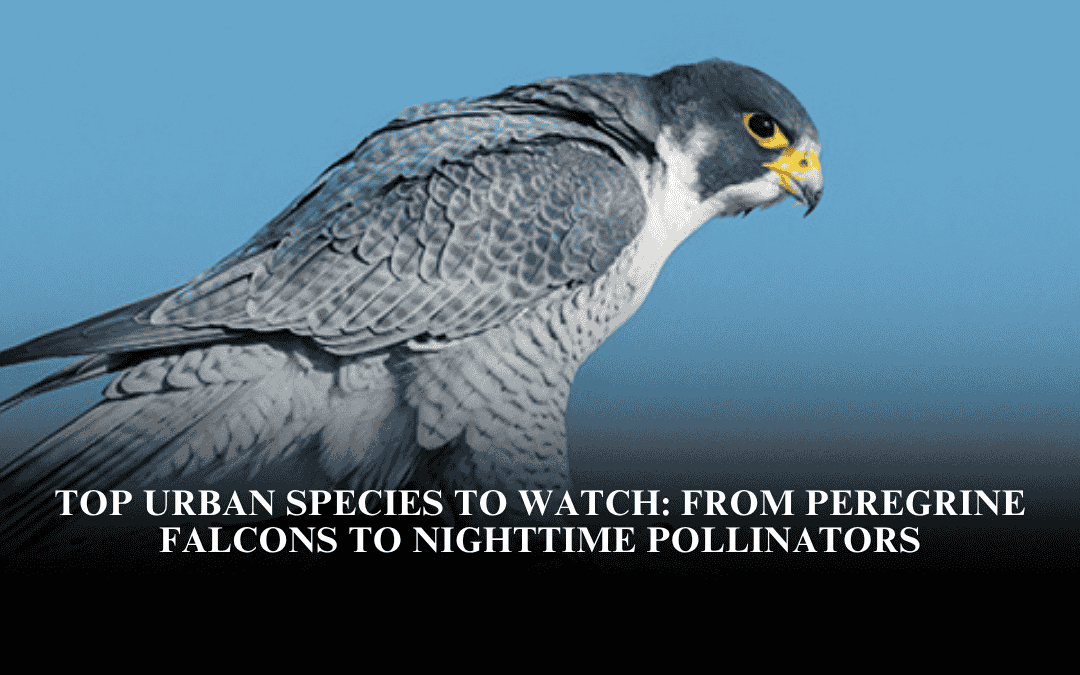
Peregrine falcons are among the most successful examples of urban wildlife in the U.S. Historically threatened by pesticides like DDT, they have rebounded through conservation efforts.
These falcons now nest on tall urban structures like skyscrapers and bridges, mimicking the cliffs they traditionally chose as nesting sites. Cities such as New York, Chicago, and Seattle are home to stable peregrine populations that thrive on abundant urban prey, including pigeons and other small birds.
This urban adaptation has allowed peregrines not only to survive but to sometimes experience greater breeding success than their rural counterparts. Their presence highlights urban areas as critical habitats for raptors and other wildlife.
Nocturnal Pollinators and Light Pollution
Nocturnal pollinators, including many moth species, contribute significantly to plant pollination during nighttime hours. However, the rise of artificial light at night (ALAN) in urban areas poses a major threat by disrupting their natural behaviors, such as foraging and reproduction.
Scientific studies show significant reductions in moth diversity and abundance due to light pollution, especially in areas without tree cover to provide “shade islands” that mitigate light’s adverse effects.
Efforts to replace harmful mercury vapor streetlights with less disruptive options and increase urban tree planting can help protect these vital pollinators. The health of nocturnal pollinator populations is crucial for maintaining balanced ecosystems and even affecting fruit production in plants.
Other Common Urban Wildlife
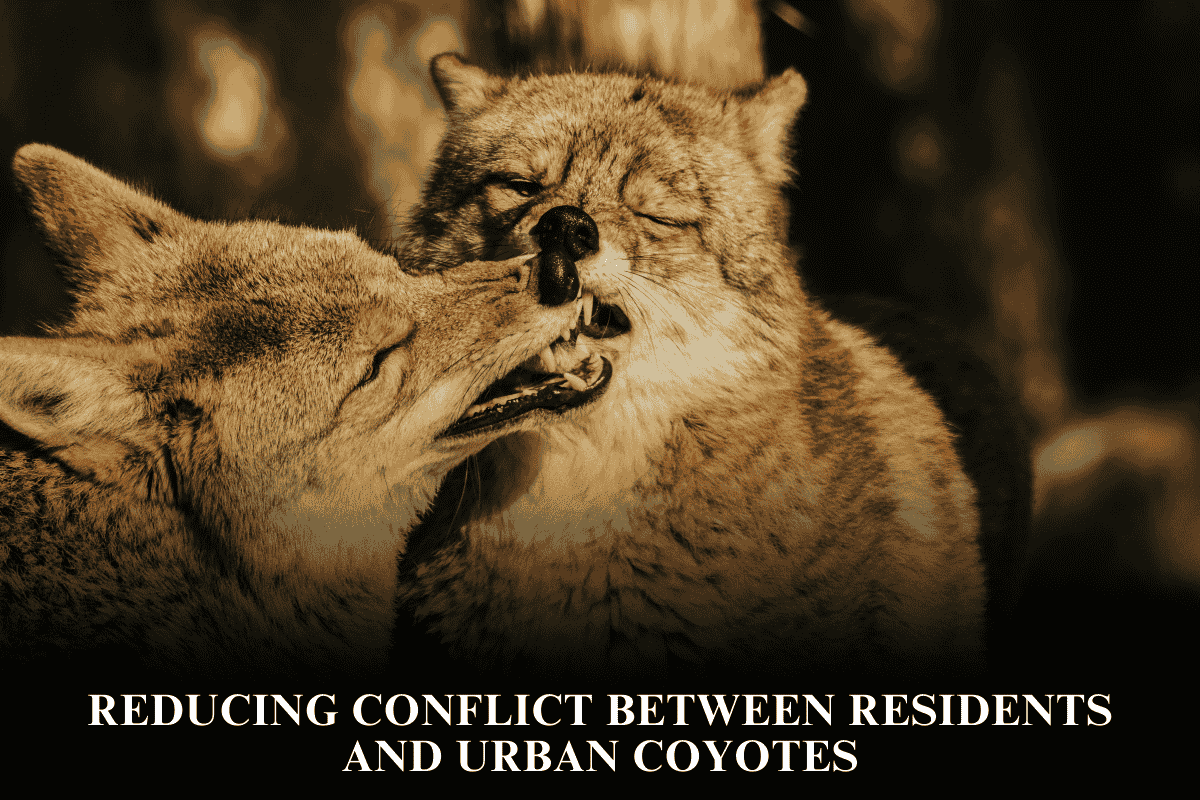
In addition to peregrine falcons and nocturnal pollinators, cities across the U.S. host a variety of other wildlife well adapted to urban life. These include mammals such as coyotes, raccoons, opossums, and foxes, as well as common birds like red-tailed hawks and pigeons.
Some urban areas even support species like mountain lions, alligators, and deer depending on regional climates. These animals often navigate challenges posed by urban development and human activity but illustrate the remarkable biodiversity present in many “concrete jungles”.
FAQs
What makes peregrine falcons well suited for urban environments?
Peregrine falcons utilize tall buildings and bridges as substitutes for cliffs, and cities provide plentiful prey like pigeons. Their adaptability to urban nesting sites and food sources supports their population recovery in cities.
How does artificial light affect nocturnal pollinators?
Artificial light disrupts natural behaviors such as pollination and mating, leading to declines in moth species richness and abundance. Light pollution impacts are worse in urban areas lacking tree cover, which otherwise can shield pollinators from excessive light.
What other wildlife can be commonly seen in U.S. cities?
Common urban wildlife includes mammals like raccoons, coyotes, opossums, and urban foxes, as well as birds such as red-tailed hawks. Urban ecosystems may also host less typical species depending on location, showing diverse adaptation.
Why are urban nocturnal pollinators important?
They play a key role in pollinating many plants that bloom at night, supporting biodiversity and ecosystem functions that extend beyond daylight hours. Their decline could disrupt plant reproduction and urban ecological balance.