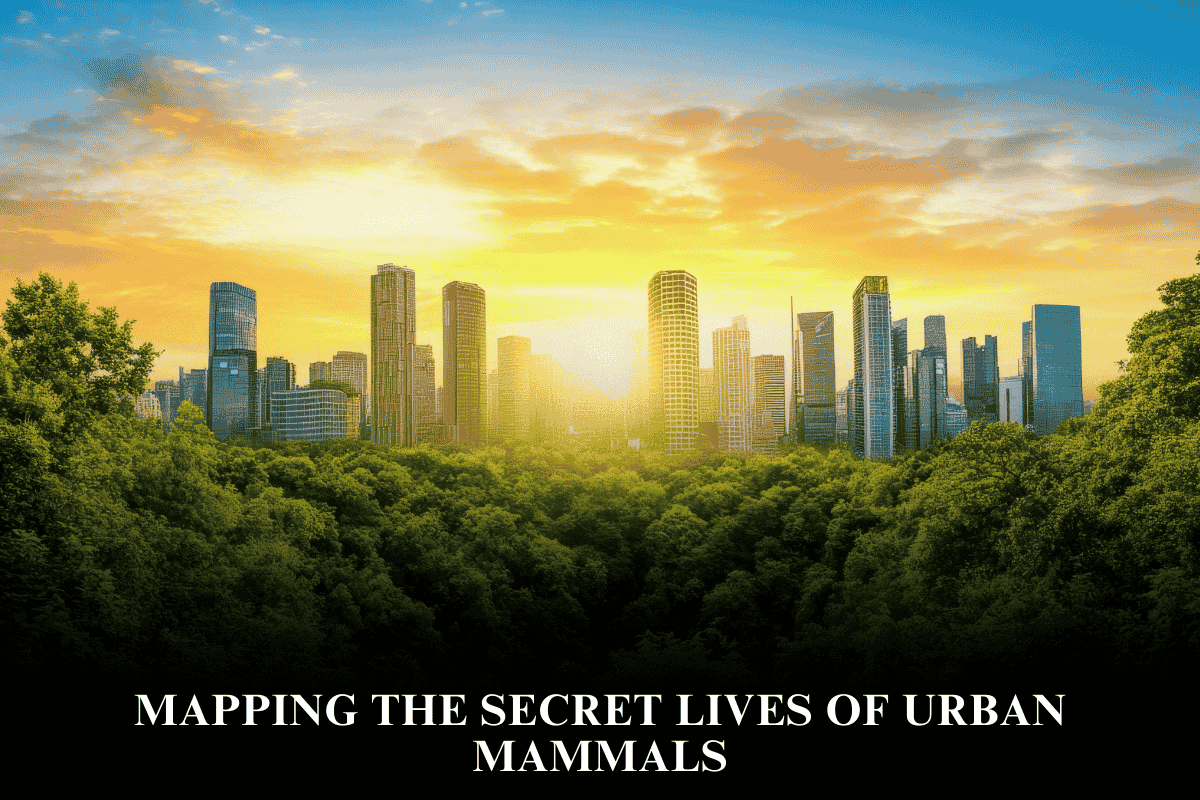
Urban heat islands (UHIs) are urban areas that experience higher temperatures than their rural surroundings due to dense infrastructure, concrete, and asphalt. This phenomenon significantly impacts wildlife survival and biodiversity, especially in rapidly urbanizing regions of the United States.
The species most at risk are those with narrow thermal tolerances or specific habitat requirements, while some hardy generalists may adapt or even thrive.
Impact of Urban Heat Islands on Wildlife
Urban heat islands cause localized warming often by 1-3°C or more, sometimes exceeding 10°C in extreme cases. This rise in temperature affects wildlife directly by increasing thermal stress and indirectly by altering habitat quality.
Higher temperatures reduce moisture and vegetation cover, affecting food availability and water sources critical for survival. Urban environments also fragment natural habitats, limit movement, and expose wildlife to additional stresses such as pollution and human disturbance.
Species living in open vegetation types or specialized microhabitats suffer more under urban heat conditions. Smaller mammals generally show better resilience, while larger mammals and temperature-sensitive species experience population declines.
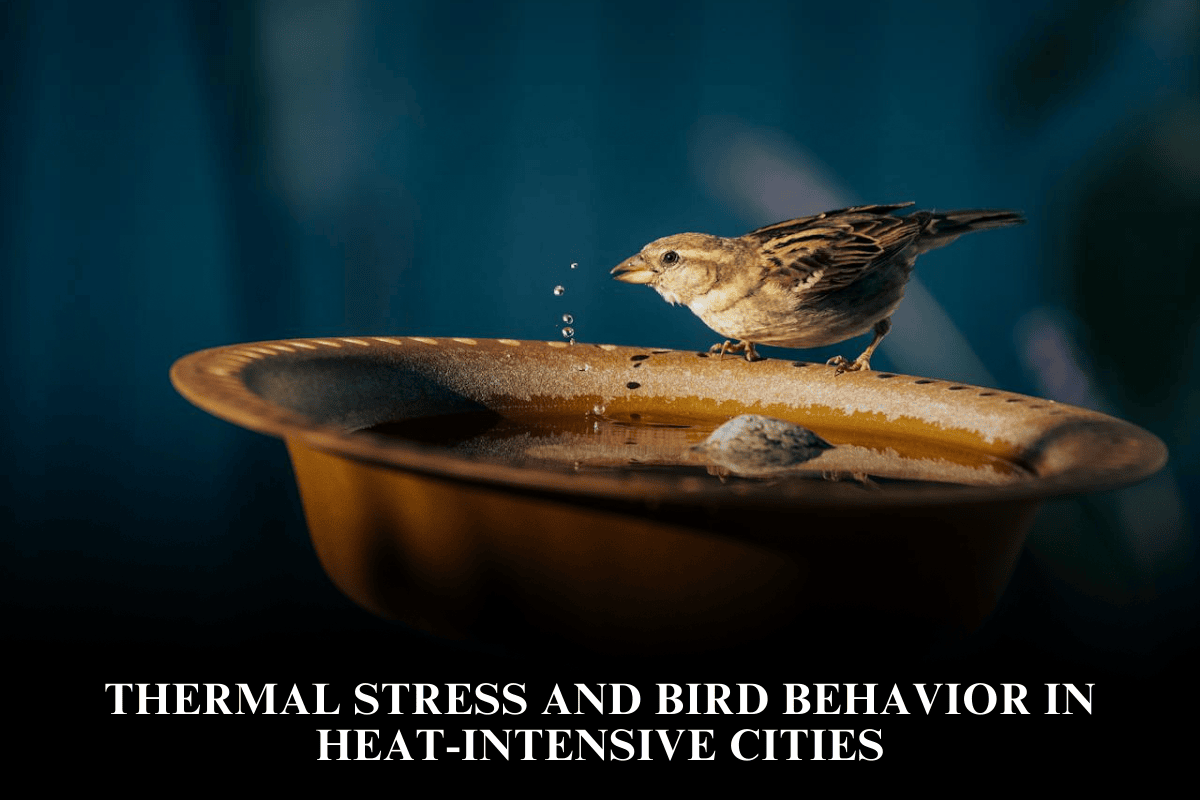
Urban heat islands exacerbate challenges like dehydration and heat exhaustion, especially during heatwaves, putting vulnerable species at high risk.
Species Most at Risk
Among the most vulnerable species to urban heat islands in the United States are:
- Amphibians: Sensitive to temperature and moisture changes, urban heat reduces suitable breeding and foraging habitats.
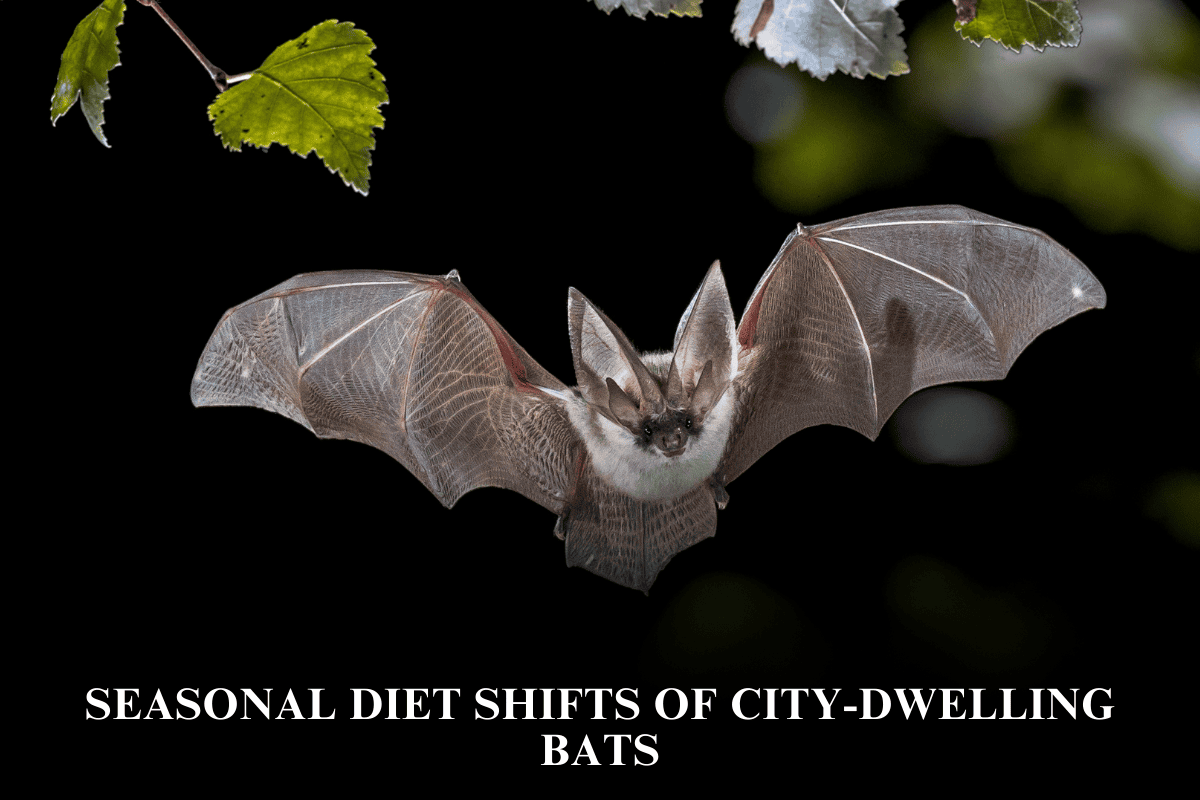
- Certain birds: Species with limited mobility or that depend on specific urban greenery may decline in hotter urban zones.
- Insect species sensitive to heat: Some thermally sensitive insects suffer reduced survival and altered life cycles.
- Native mammals with specific habitat needs: Urbanization and heat stress reduce habitats and increase mortality, affecting species like certain foxes, deer, and predatory mammals.
Species that can colonize different environments and tolerate temperature variability, such as raccoons, squirrels, and some urban-adapted birds, tend to persist or increase in cities despite the heat stress.
Mitigation and Coexistence Strategies
Implementing urban green infrastructure like green roofs, urban forests, and vertical gardens can provide cooler microclimates and refuges for wildlife.
These green areas supply food, shelter, and water, crucial for survival in heated urban zones. Efforts to preserve and create wildlife corridors help maintain connectivity between fragmented habitats.
Reflective building materials, cool pavements, and tree planting also reduce surface temperatures and mitigate the impact of urban heat islands. Urban planning that prioritizes wildlife-friendly environments supports biodiversity while enhancing human quality of life.
FAQs
Q: What causes urban heat islands?
Urban heat islands are caused by the dense concentration of buildings, roads, and other impervious surfaces that absorb and retain heat, plus reduced vegetation in cities compared to rural areas.
Q: Why are some species more vulnerable to urban heat?
Species with narrow temperature tolerances, dependence on moist habitats, or limited mobility struggle to adapt to the increased heat and habitat fragmentation caused by urban heat islands.
Q: Can any wildlife thrive in urban heat islands?
Yes, generalist species like raccoons, squirrels, and some birds adapt well to urban environments and can even expand their range due to warmer conditions.
Q: How can cities help protect wildlife from urban heat?
Cities can increase green spaces, plant trees, create wildlife corridors, and use reflective and cooling materials to reduce heat and provide habitats, supporting biodiversity and wildlife survival.
Q: How does urban heat affect water sources for wildlife?
Urban heat accelerates warming of precipitation runoff and surface waters, causing thermal stress to aquatic species and reducing the availability of cool water for terrestrial wildlife in cities.