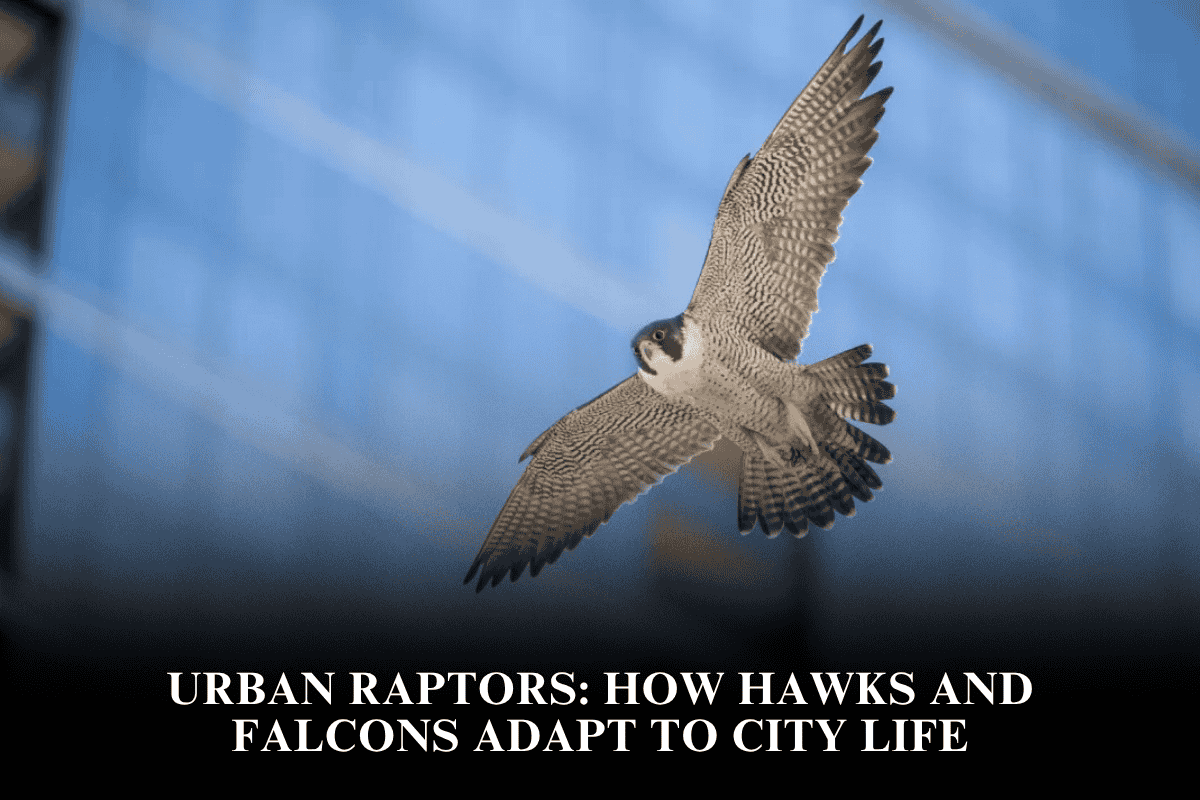
Raptors such as hawks and falcons are increasingly adapting to urban environments, demonstrating remarkable flexibility that allows them to thrive amid human development. These urban raptors capitalize on features like tall buildings for nesting and abundant prey like pigeons and rodents, making cities viable new habitats.
Adaptations of Urban Raptors
- Nesting on Tall Structures: Birds like peregrine falcons nest on skyscrapers and bridges, mirroring natural cliffside habitats, providing safety from predators and proximity to prey.
- Diet Shifts: Urban raptors adjust their diets to include city-specific prey such as feral pigeons, rats, and other birds, exploiting abundant food sources unavailable in rural settings.
- Robust Health and Reproductive Success: Studies such as those on Black Sparrowhawks show no signs of poor health in urban nestlings, suggesting adaptation to urban stressors and steady prey availability.
- Hunting Strategies: Urban raptors benefit from landscape features like fence lines, edges, and artificial lighting to enhance hunting efficiency even at night.
- Population Resilience: Some urban raptors display traits like habitat generalism, smaller body size, and flexible foraging, increasing their urban tolerance and success.
Ecological Role in Cities
Urban raptors contribute to ecological balance by controlling pest populations, reducing disease spread, and fostering biodiversity in city landscapes. They serve as bioindicators of urban ecosystem health and resilience.
Future Research and Conservation
Ongoing research continues to explore genetic adaptations, stress responses, and urban-rural dynamics of raptors to inform conservation strategies that foster coexistence between wildlife and expanding urban areas.
FAQs
Q1: Why do raptors nest on urban buildings?
A1: Urban structures mimic natural nesting sites like cliffs, offering safety and a strategic vantage point to hunt prey.
Q2: How do urban raptors adapt their diets?
A2: They shift to abundant urban prey such as pigeons and rodents, adjusting hunting techniques to city conditions.
Q3: Are urban raptors healthy compared to rural ones?
A3: Research indicates urban nestlings like Black Sparrowhawks show good health, likely due to stable food availability and urban adaptations.
Q4: What urban features help raptors hunt effectively?
A4: Edges, fence lines, perches, and artificial night lighting provide advantageous conditions for urban hunting.
Q5: Why is studying urban raptors important?
A5: They help control pests, maintain urban biodiversity, and serve as indicators of ecological health amid growing urbanization.