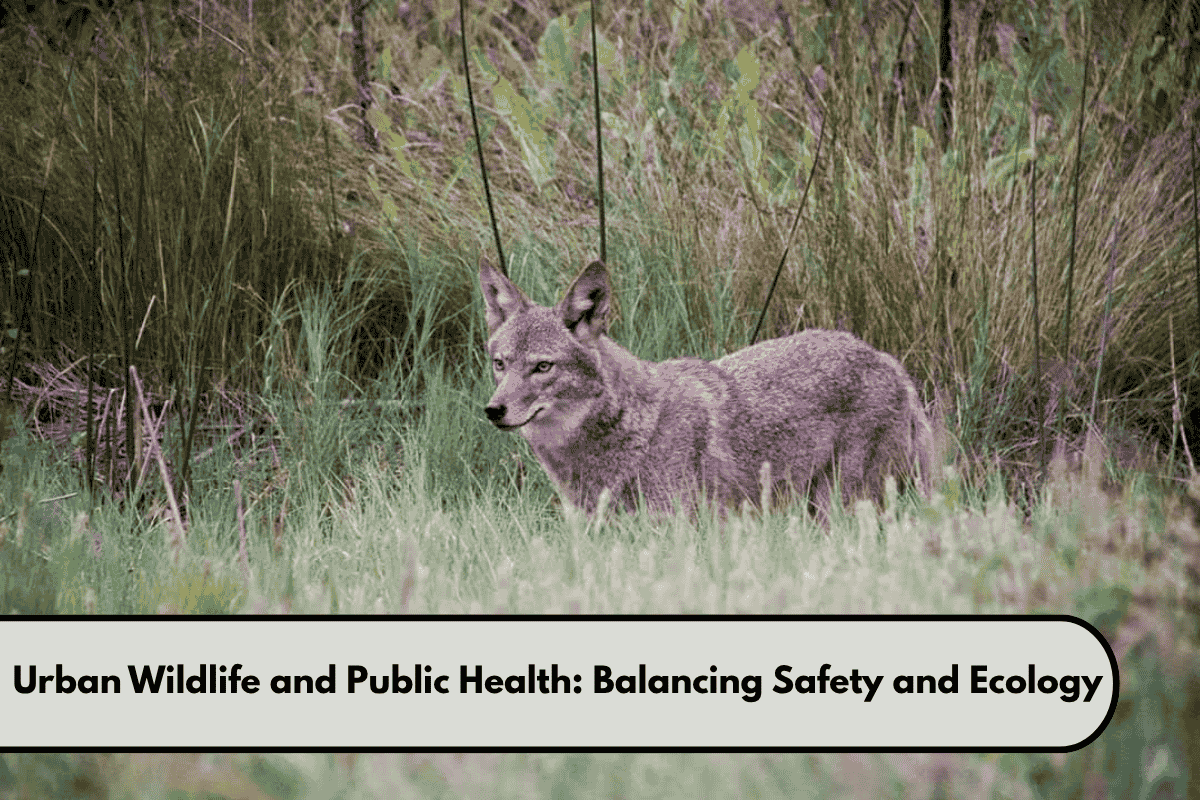
Urban wildlife presents both opportunities and challenges for public health, requiring a balanced approach that supports ecological benefits while managing potential risks.
Wildlife in cities contributes to ecosystem services such as pest control and mental well-being but can also pose health concerns through diseases, property damage, or conflicts.
Balancing Public Health and Urban Wildlife Ecology
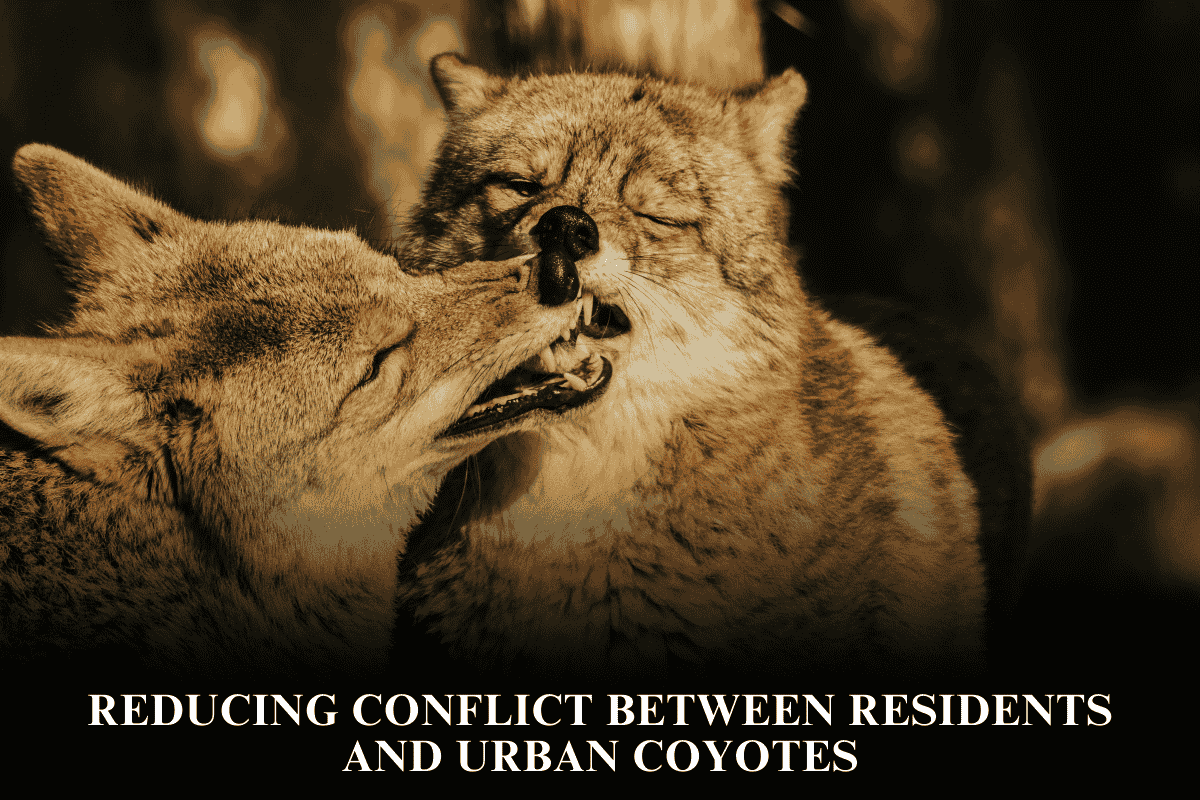
- Ecological and Health Benefits: Urban wildlife helps regulate pests, supports biodiversity, and enhances human psychological health by providing access to nature. Predators like coyotes and birds control rodent and insect populations, reducing disease vectors. Interactions with urban nature have been linked to reduced stress and improved well-being.
- Disease Risks and Management: Urbanization alters wildlife communities and can increase the prevalence of zoonotic diseases in some species or areas. Disease transmission dynamics may shift due to habitat fragmentation, host density changes, and human-wildlife interactions. Surveillance and management are vital to prevent outbreaks.
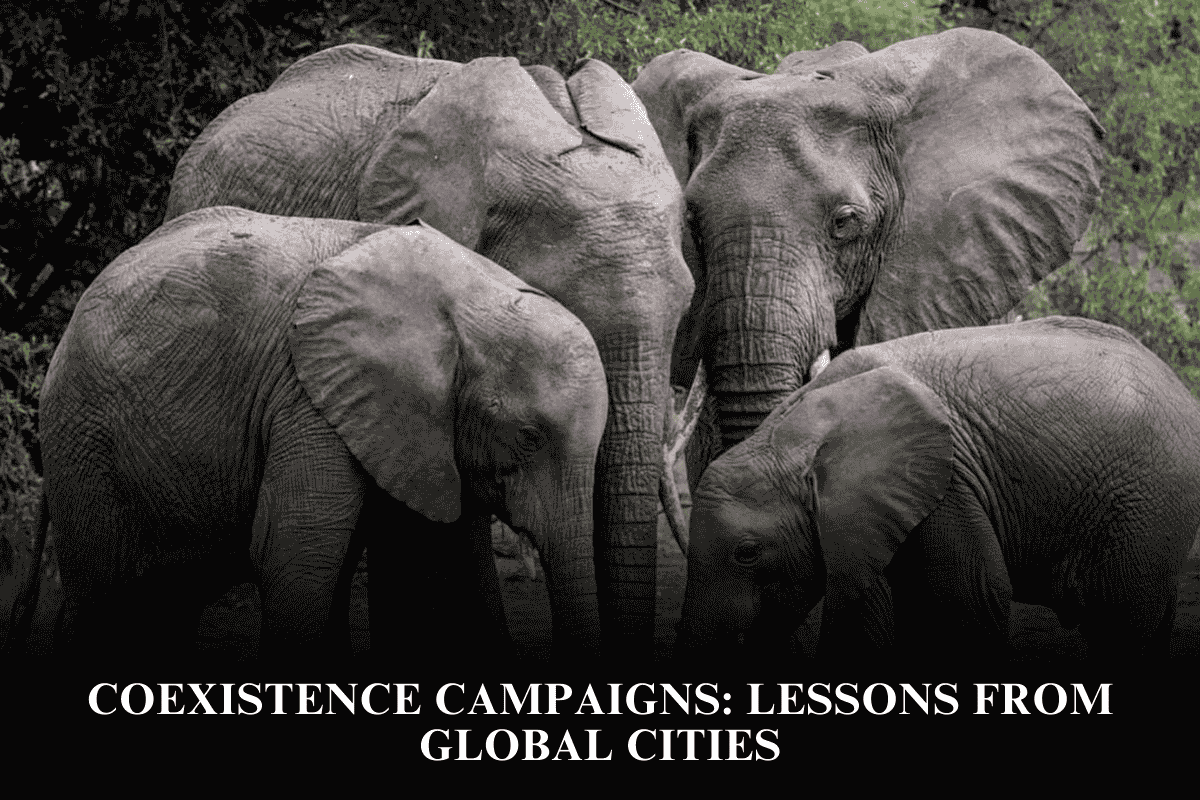
- Human-Wildlife Conflicts: Common conflicts involve animal nuisances, property damage, and risks of bites or accidents. Education on coexistence, securing waste, and avoiding feeding can minimize conflicts. Policies enforcing habitat protection and designing wildlife-friendly urban spaces reduce risk at the landscape level.
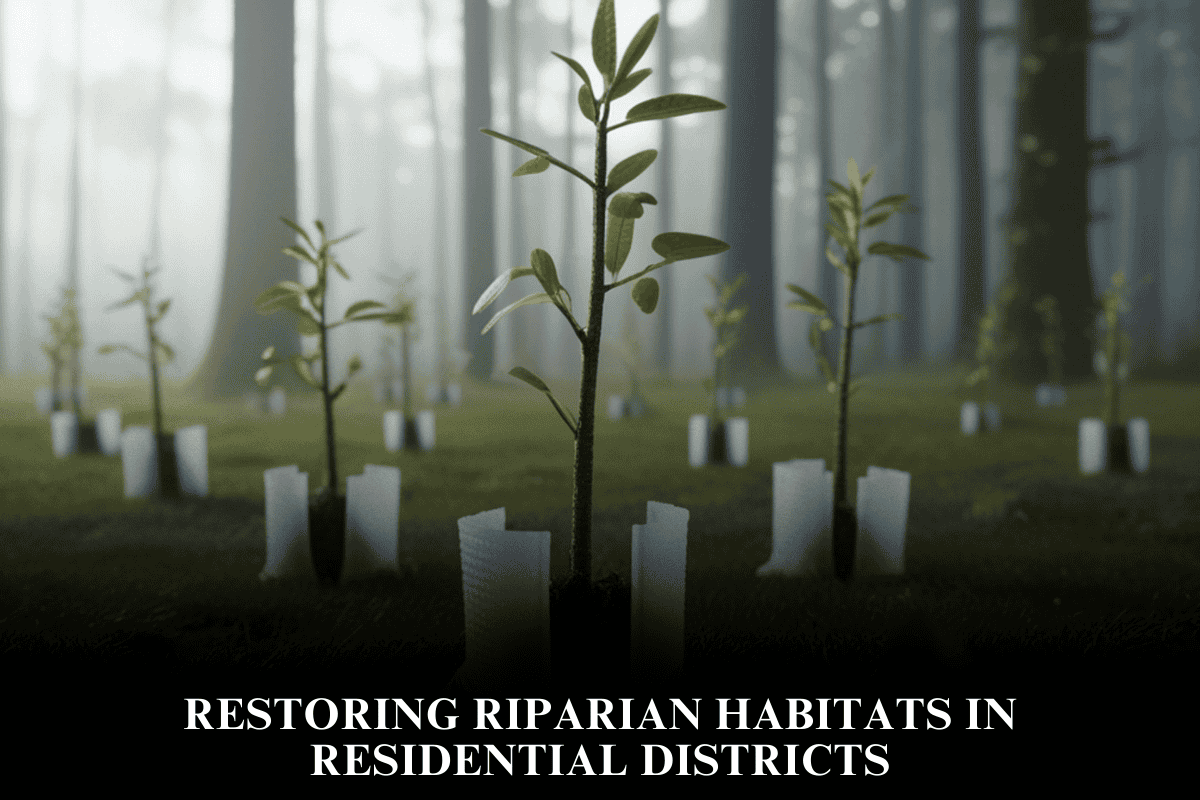
- Integrated Urban Planning and Public Health: Designing green spaces and wildlife corridors with public safety in mind can foster coexistence. Multidisciplinary approaches combining ecology, epidemiology, urban planning, and public health are essential.
FAQs
Q1: How does urban wildlife benefit public health?
By controlling pests, enhancing biodiversity, and improving mental health through access to nature.
Q2: What are the health risks from urban wildlife?
Risks include zoonotic disease transmission, injuries from wildlife, and property damage.
Q3: How can conflicts be minimized?
Secure garbage, avoid feeding wildlife, educate the public about safe coexistence, and enforce habitat-preserving policies.
Q4: Do urban wildlife populations increase disease risks?
Changes in urban wildlife community composition can increase or decrease disease risks, requiring monitoring and management.
Q5: How do cities integrate wildlife and public health planning?
By designing green spaces with safety considerations and employing multi-disciplinary collaborations.