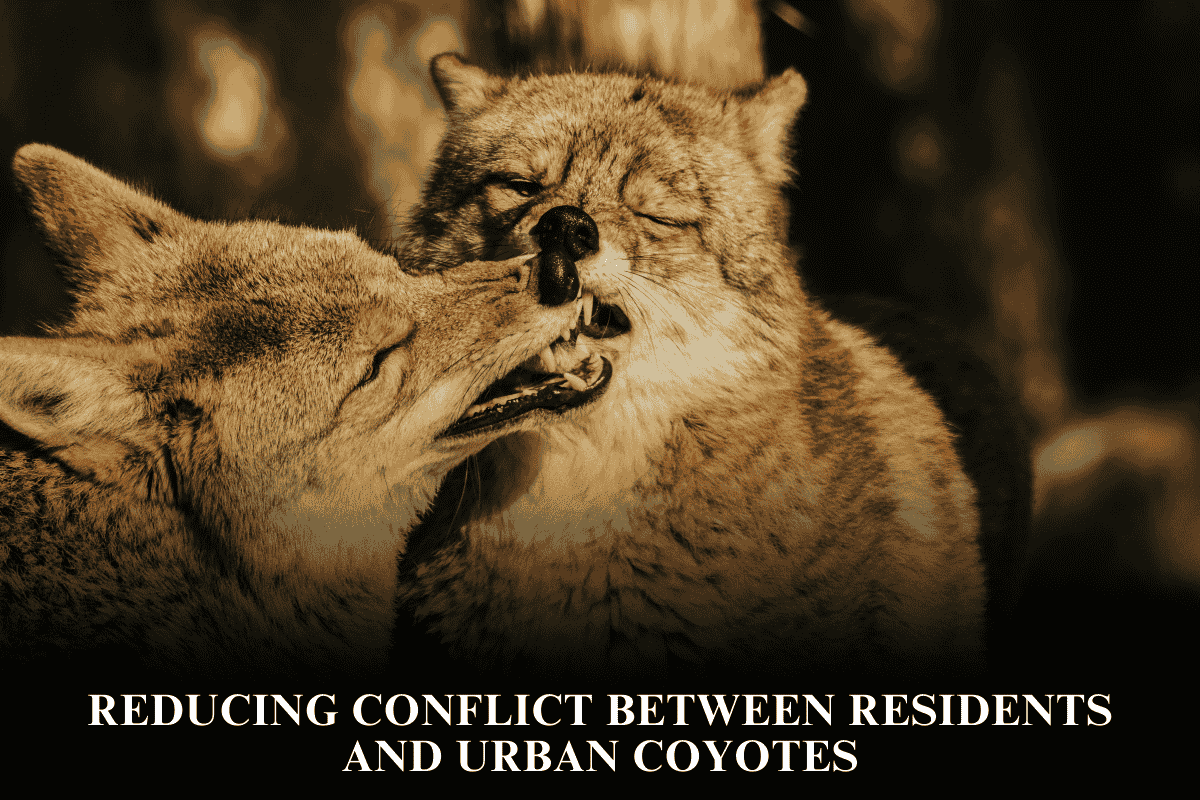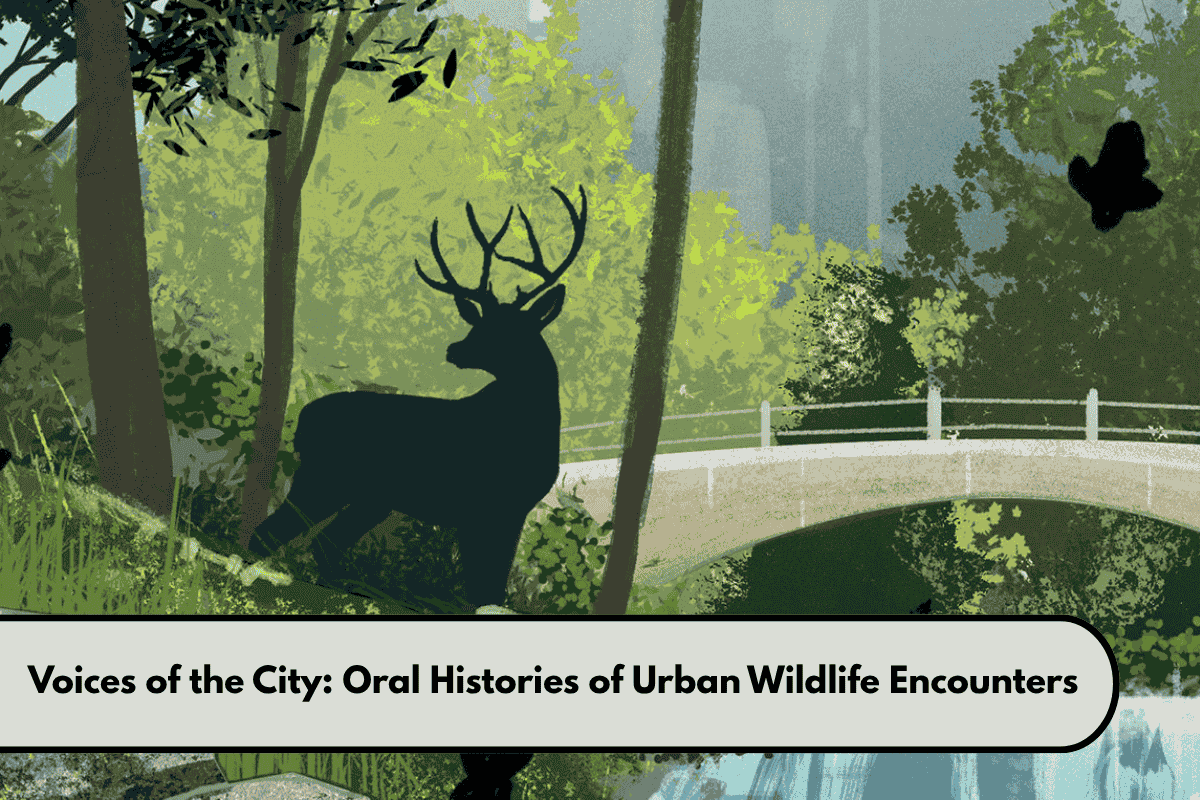
Oral histories of urban wildlife encounters capture rich, personal narratives that reveal how people experience, interpret, and relate to wildlife in their everyday city lives. These stories offer unique insights into local ecological knowledge, cultural attitudes, and the evolving human-wildlife relationship shaping urban conservation.
The Role of Oral Histories in Urban Wildlife Understanding
- Capturing Diverse Experiences: Oral histories gather voices from diverse communities, reflecting different cultural, social, and emotional connections to urban wildlife—from wonder and respect to fear and conflict. For example, residents’ stories of fox encounters or bird migrations enrich scientific understanding with nuanced context.
- Building Empathy and Awareness: Storytelling humanizes wildlife, fostering empathy and shifting perceptions from nuisance to neighbor. Hearing personal interactions helps bridge gaps between urban residents and biodiversity, inspiring stewardship.
- Preserving Cultural and Ecological Knowledge: Oral histories document traditional knowledge and place-based observations that may not appear in ecological surveys, contributing to more holistic urban ecosystem management.
- Supporting Conservation and Coexistence: Sharing stories highlights successes in minimizing conflicts, adapting urban design, and community-led conservation, motivating broader participation and policy support.
- Educational and Artive Uses: Urban wildlife oral histories feed into educational programs, exhibitions, and creative projects, enriching urban ecology education and cultural connections to nature.
FAQs
Q1: Why are oral histories important for urban wildlife?
They capture diverse, culturally rich experiences and knowledge complementary to scientific data.
Q2: How do stories influence public attitudes?
By humanizing wildlife and fostering empathy, they shift perceptions toward coexistence.
Q3: Can oral histories aid conservation?
Yes, by documenting traditional knowledge, visitor impacts, conflict resolution, and community efforts.
Q4: How are these stories used?
In education, exhibitions, policy input, and art projects to deepen connection to urban nature.
Q5: Do oral histories reflect varied community views?
Yes, they provide multi-dimensional perspectives reflecting cultural attitudes and experiences.