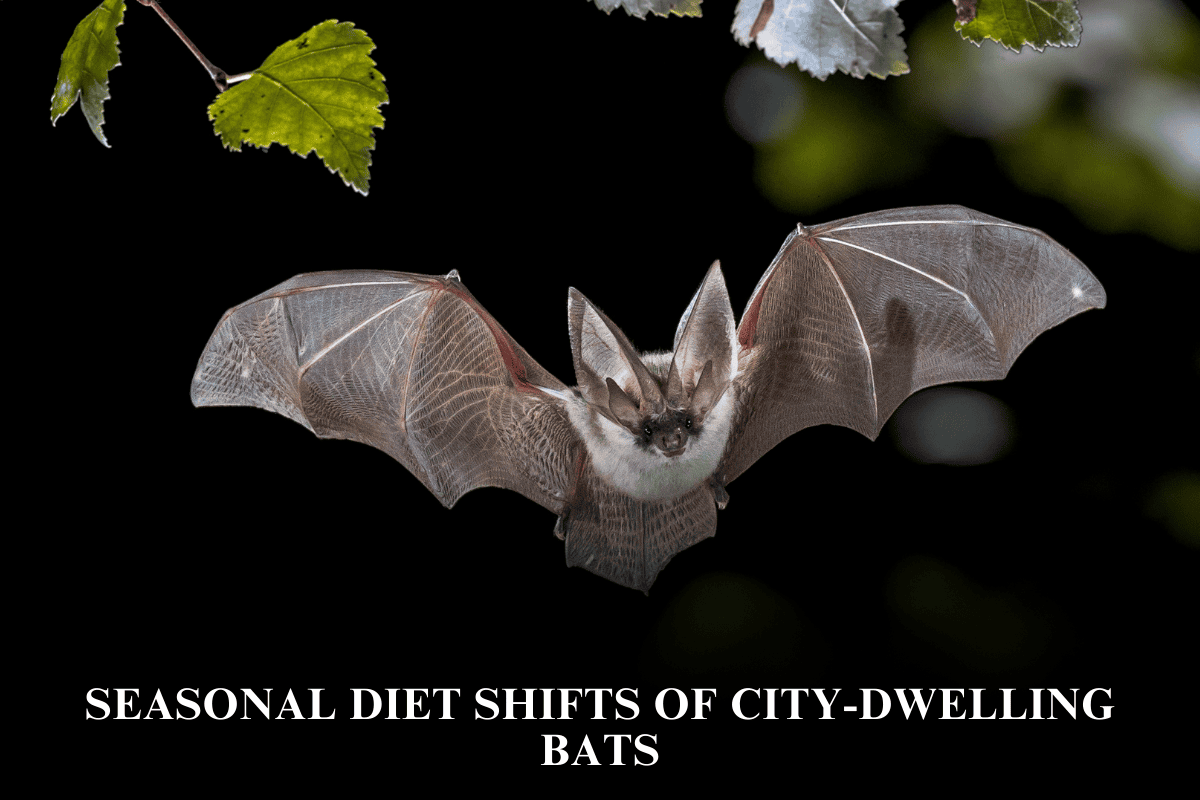
Building codes increasingly mandate wildlife-friendly features like integrated nest boxes, bat roosts, and crevices to offset urban habitat loss for birds and bats, aligning development with biodiversity goals. These regulations require species-specific designs—e.g., 32mm holes for house sparrows, south-facing bat boxes 2-7m high—ensuring viability amid concrete sprawl. Such codes boost occupancy rates, countering declines from renovations that seal roosts.
Regulatory Frameworks and Requirements
UK and EU policies demand bat/bird provisions in new builds: 50% of dwellings with features (one per two houses), integrated into walls via woodcrete or eco-plastic boxes. US plans like Colorado’s promote green roofs, parks, and dark skies near colonies, partnering with transport departments for bridge roosts. Listed buildings use sensitive designs; minimums scale by project—1 for extensions, 10-20 for large structures.
Design Specifications for Habitats
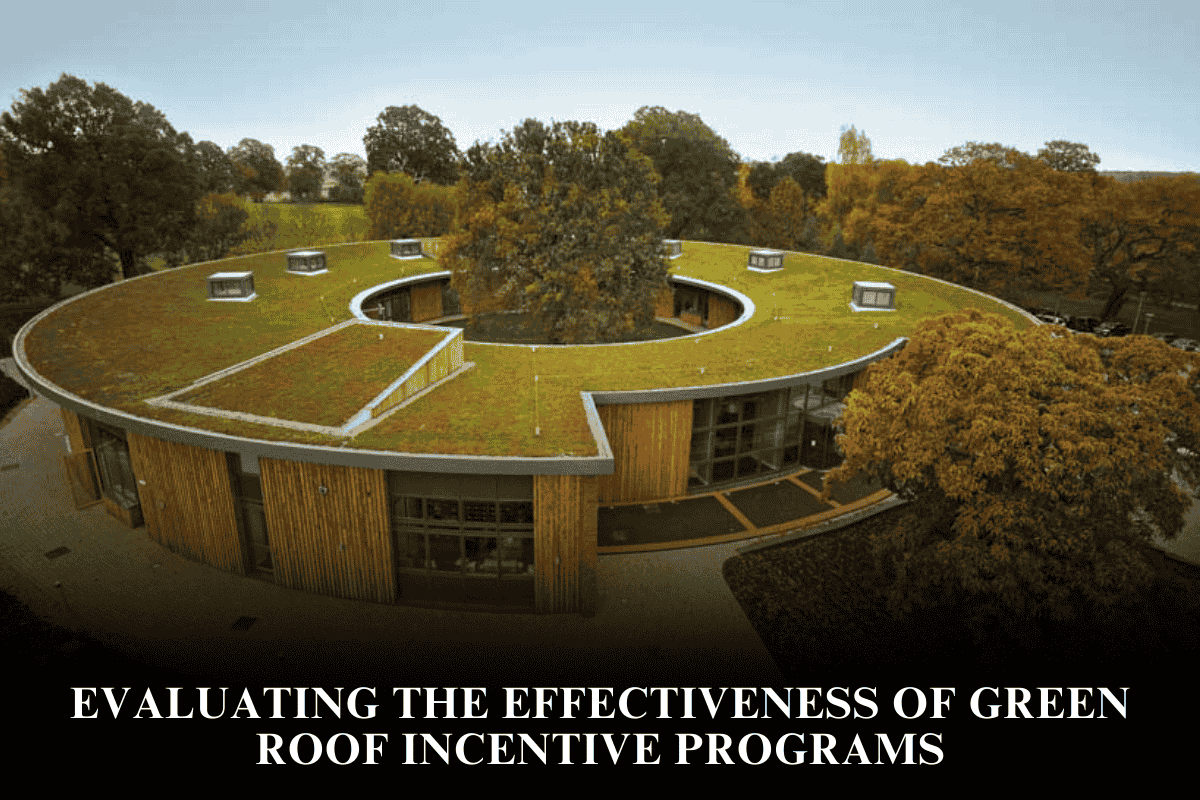
Bird boxes feature 15mm-thick walls, drainage holes, 12cm floor gaps, and slopes to deter roosting; cavities 4×4-5×5 inches for wrens. Bat roosts retain 20-40mm eaves gaps, unpointed masonry, or boxes avoiding light/wind. Materials exclude toxins; entrances face prey-rich open ground, 3m+ high. Green roofs and buffers enhance foraging.
Implementation and Maintenance
Pre-construction surveys identify roosts; alternatives installed adjacent during works. Codes enforce monitoring, pest exclusion (e.g., possum collars), and no interference during breeding. Incentives via planning compliance foster uptake.
Benefits and Challenges
Codes sustain populations—urban parks host more bats than forests in some cases—while mitigating light/noise impacts. Challenges: cost, species mismatch; addressed by scalable minimums and ecologist input.
FAQ
What features do codes require?
Integrated nest/bat boxes, crevices, green roofs per project scale.
Bat roost design specs?
South-facing, 2-7m high, 20-40mm gaps, dark/unwindy.
Bird box requirements?
Species-specific holes (e.g., 11/8″ wrens), drainage, slopes.
How enforce during construction?
Surveys, alternatives nearby, no breeding disturbance.
Urban benefits?
Offsets habitat loss, boosts biodiversity in developments.