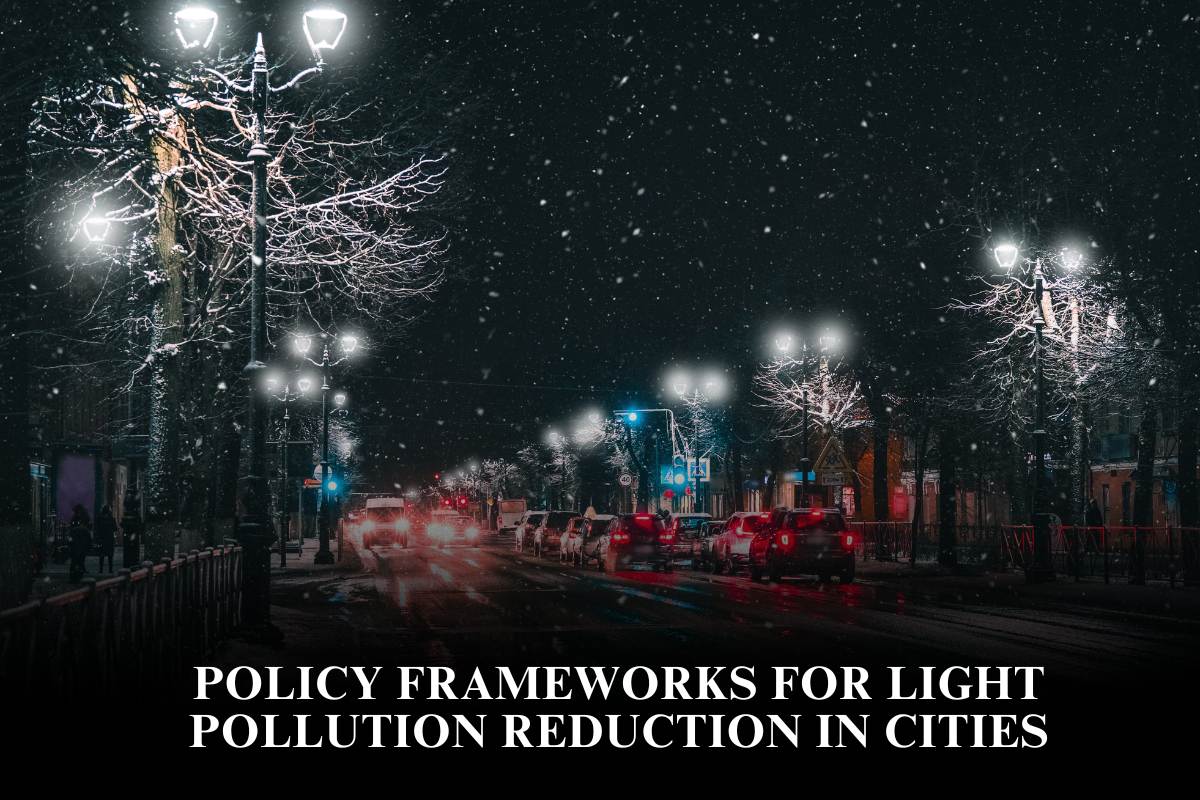
Light pollution is an increasing concern in urban areas, affecting ecosystems, human health, and energy consumption. Cities worldwide are adopting policy frameworks aimed at reducing excessive and misdirected artificial lighting to preserve the natural night environment, improve quality of life, and foster energy efficiency.
Understanding Light Pollution in Cities
Light pollution arises from excessive outdoor lighting, poorly designed fixtures, and uncontrolled usage hours, leading to skyglow, glare, and light trespass. These effects not only obscure views of the night sky but disrupt wildlife behaviors such as migration, reproduction, and feeding.
For humans, artificial light at night can interfere with circadian rhythms, contributing to health problems. Addressing light pollution requires comprehensive policy action combining regulation, technology, and community engagement.
Key Policy Elements for Light Pollution Reduction
Effective urban policies focus on regulating outdoor lighting intensity, duration, and fixture design. Adopting standards for dark-sky-compliant lighting fixtures—which direct light downward and reduce glare—minimizes unnecessary sky illumination.
Warm-color LED lights are preferred because they scatter less and cause reduced disruption to nocturnal environments. Policies often mandate curfews or use smart lighting controls like dimmers and motion sensors to reduce light levels during low-traffic hours.
Zoning regulations that limit outdoor lighting in sensitive ecological or residential areas protect wildlife habitats and human health. Encouraging or requiring the retrofitting of existing streetlights with energy-efficient, adaptive lighting technologies aligns environmental goals with cost savings.
Community Engagement and Education
Public awareness campaigns and stakeholder engagement underpin successful policy implementation. Cities conduct workshops, outreach initiatives, and citizen science projects measuring local light pollution levels, empowering residents to adopt responsible lighting practices.
Community involvement cultivates a collective commitment to preserving night skies and supports behavioral changes that complement regulatory frameworks.
Case Study Highlights
Texas cities provide practical examples where statewide policies promote dark-sky-compliant fixtures and solar-powered lighting, resulting in significant reductions in light pollution without compromising safety.
The use of smart off-grid solar streetlights demonstrates how renewable energy integration supports environmental objectives while enhancing resilience and lowering operating costs. Educational efforts have increased public participation and enthusiasm for light pollution reduction.
Design innovations in street lighting emphasizing precise light distribution, warm color temperatures, and adjustable brightness further show how urban spaces can stay well-illuminated yet environmentally responsible.
Future Directions and Challenges
Continuous refinement of lighting standards is needed as technologies evolve. Integrating real-time adaptive lighting, improving fixture designs, and incorporating illumination planning into broader sustainability goals remain priorities. Addressing renewed community growth pressures and ensuring equitable implementation across neighborhoods are ongoing challenges.
Frequently Asked Questions
Q. What types of lighting fixtures help reduce urban light pollution?
Dark-sky-compliant fixtures that shield light and direct it downward, and warm-color LEDs that minimize skyglow and ecological harm.
Q. How can cities manage outdoor lighting hours?
By implementing curfews, using timers, and adopting motion sensors to reduce lighting during low-use times.
Q. Why is community engagement important?
Public awareness and participation encourage responsible lighting behavior and support regulatory measures, making policies more effective.
Q. What are the benefits of reducing light pollution?
Improved ecosystem health, better human sleep quality, energy savings, and preservation of the night sky for cultural and scientific value.
Q. How can smart technology assist light pollution reduction?
Smart lighting systems adjust brightness based on real-time needs, reducing unnecessary illumination and enhancing energy efficiency.