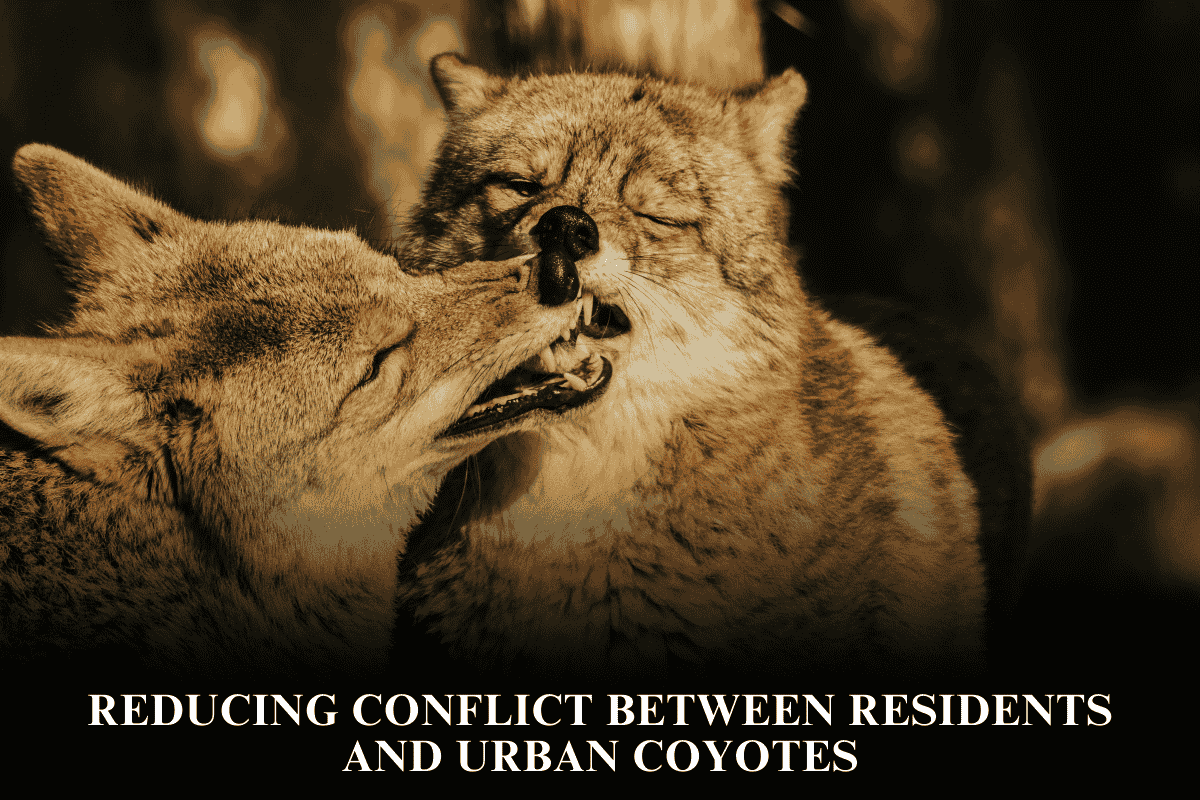
Legislative approaches to humane wildlife management are essential for balancing biodiversity conservation with human safety, welfare, and coexistence. These approaches encompass laws, policies, and frameworks designed to protect wildlife, preserve habitats, mitigate human-animal conflicts, and ensure ethical treatment of animals in both urban and rural environments.
Key Components of Humane Wildlife Legislation
Protection and Conservation
Effective wildlife laws provide comprehensive protection for diverse animal and plant species, regulate habitat management, and oversee trade controls. For example, India’s Wildlife (Protection) Act, 1972, forms the backbone of legal protection, including schedules that classify species by protection levels. Recent amendments aim to improve species coverage, habitat conservation, and enforcement mechanisms while aligning with international treaties such as CITES.
Managing Human-Wildlife Conflict (HWC)
Human-wildlife conflict is a prominent challenge where animals threaten crops, property, or safety, leading to retaliatory harm. Legislative frameworks increasingly mandate formation of conflict management committees responsible for monitoring, mitigation strategies, and compensation mechanisms for affected communities. These include non-lethal control measures like safe capture, translocation, and habitat corridors designed to reduce encounters and support coexistence.
Licenses and Regulation
Wildlife control operations, including trapping and relocation, operate under strict licensing and regulatory oversight to ensure humane treatment and ecological responsibility. Ethical licensing requirements promote application of the precautionary principle, prioritize non-lethal methods, and enforce penalties for inappropriate handling or cruelty.
Animal Welfare Integration
Humane wildlife management laws integrate animal welfare principles, outlawing practices such as torture, mutilation, and inhumane killing. These laws also establish standards for care of captive and rescued animals and control unethical entertainment or hunting practices. Commitment to animal welfare within mainstream conservation policies reflects growing ethical and social expectations.
Enforcement and Community Engagement
Strong legislations couple legal provisions with community awareness, training, and participation to foster compliance and cultural acceptance. Effective enforcement depends on collaboration between government agencies, NGOs, local communities, and wildlife professionals, ensuring laws are both practical and meaningful in on-the-ground management efforts.
FAQ
What is the purpose of humane wildlife management legislation?
To protect wildlife, ensure ethical treatment, reduce conflicts, and promote sustainable coexistence between humans and animals.
How do laws address human-wildlife conflicts?
By establishing conflict management committees, encouraging non-lethal interventions, and providing compensation to affected people.
Are licenses required for wildlife management activities?
Yes, to regulate trapping, relocation, and control activities with attention to humane practices.
How do these laws incorporate animal welfare?
They prohibit cruelty, set care standards, and integrate welfare principles into conservation policies.
Why is community involvement important?
Local participation and awareness improve compliance, resource protection, and long-term coexistence success.