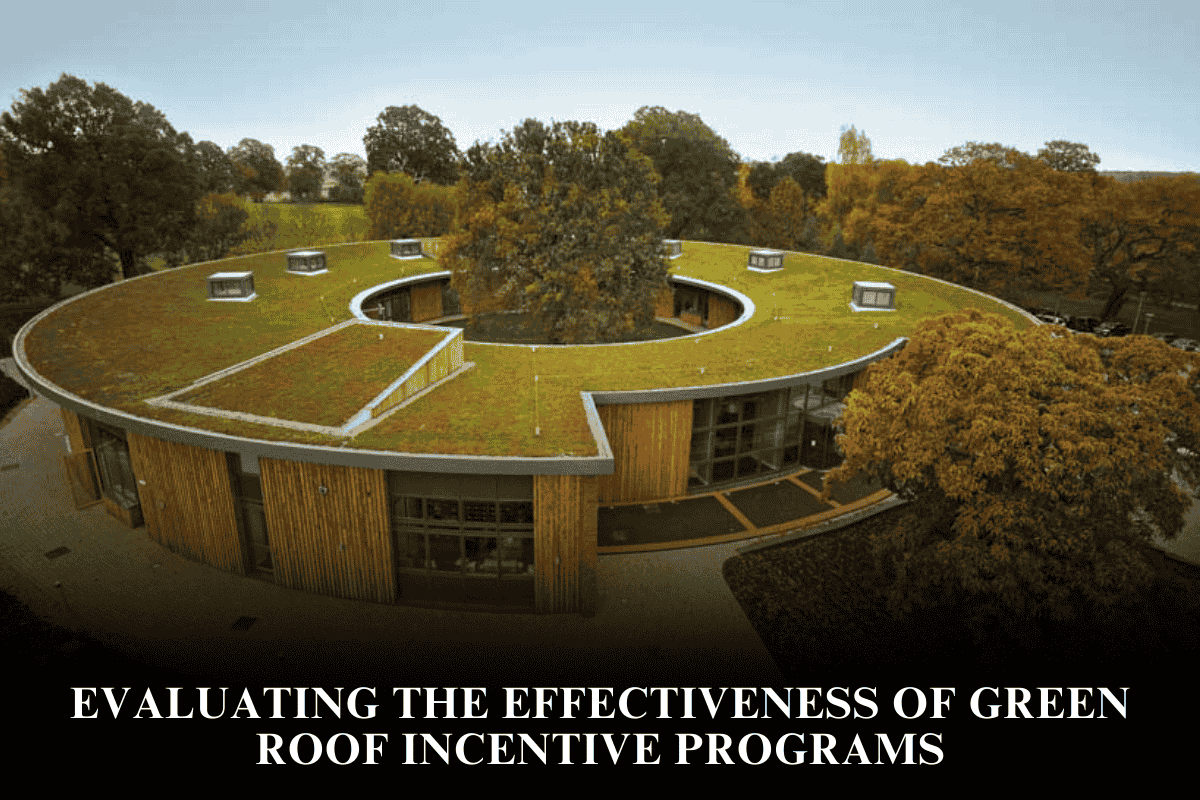
Green roof incentive programs play a critical role in promoting the adoption of green roofs in urban environments by offsetting higher installation costs while enhancing environmental, economic, and social benefits. Evaluating the effectiveness of these programs requires assessing participation rates, environmental impact, cost savings, and stakeholder satisfaction to understand their value and areas for improvement.
Types of Green Roof Incentive Programs
Green roof incentives include direct financial subsidies, tax credits, grants, and rebates aimed at reducing upfront costs for property owners. Indirect incentives such as expedited permitting, density bonuses that allow increased building volume, and stormwater fee reductions encourage adoption by offering regulatory or operational benefits. Educational programs and technical support further assist in raising awareness and reducing barriers related to design and maintenance complexities.
Environmental and Economic Impact
Effective green roof incentives promote significant stormwater management by reducing runoff volume and peak flow rates, easing urban drainage system burdens. They contribute to better air quality and urban heat island mitigation by cooling rooftop surfaces and adjacent areas, reducing cooling costs by up to 75% in some climates.
Over the long term, green roofs extend roof membrane lifespans and reduce energy consumption, yielding operational cost savings that offset installation expenses. These tangible benefits bolster the cost-effectiveness of incentive programs and justify continued investment.
Measuring Program Success
Evaluations consider metrics such as the number and total area of green roofs installed, diversity of participants (commercial, residential, institutional), and geographical distribution within target cities.
Environmental monitoring quantifies reductions in stormwater runoff, ambient temperature, and air pollutants. Economic analyses include cost savings in heating/cooling, stormwater fees, and property value impacts.
Surveys gather feedback from participants to assess satisfaction, perceived obstacles, and program awareness. Programs incorporating performance-based incentives tied to environmental outcomes typically show greater effectiveness as they directly link rewards to measurable benefits.
Challenges and Recommendations
High upfront costs and maintenance concerns remain barriers despite incentives. Ensuring equitable access to programs across diverse communities and building types is critical. Integration of incentives with urban planning, public education, and technical assistance is recommended.
Standardizing monitoring protocols enhances comparability of outcomes and informs continuous improvements. Policymakers are encouraged to tailor incentives to local climate and development contexts to maximize adoption and environmental performance.
FAQ
What are common types of green roof incentives?
Direct financial subsidies, tax credits, grants, expedited permitting, density bonuses, stormwater fee reductions, and technical support.
How do green roofs benefit the environment?
By reducing stormwater runoff, mitigating urban heat islands, improving air quality, and enhancing urban biodiversity.
What metrics assess incentive program success?
Area of green roofs installed, environmental impact measurements, cost savings, participant diversity, and feedback data.
What are common barriers to adoption?
High upfront costs, maintenance concerns, lack of awareness, and limited equitable access.
How can incentive programs be improved?
By integrating education, technical assistance, performance-based rewards, and tailoring to local contexts.