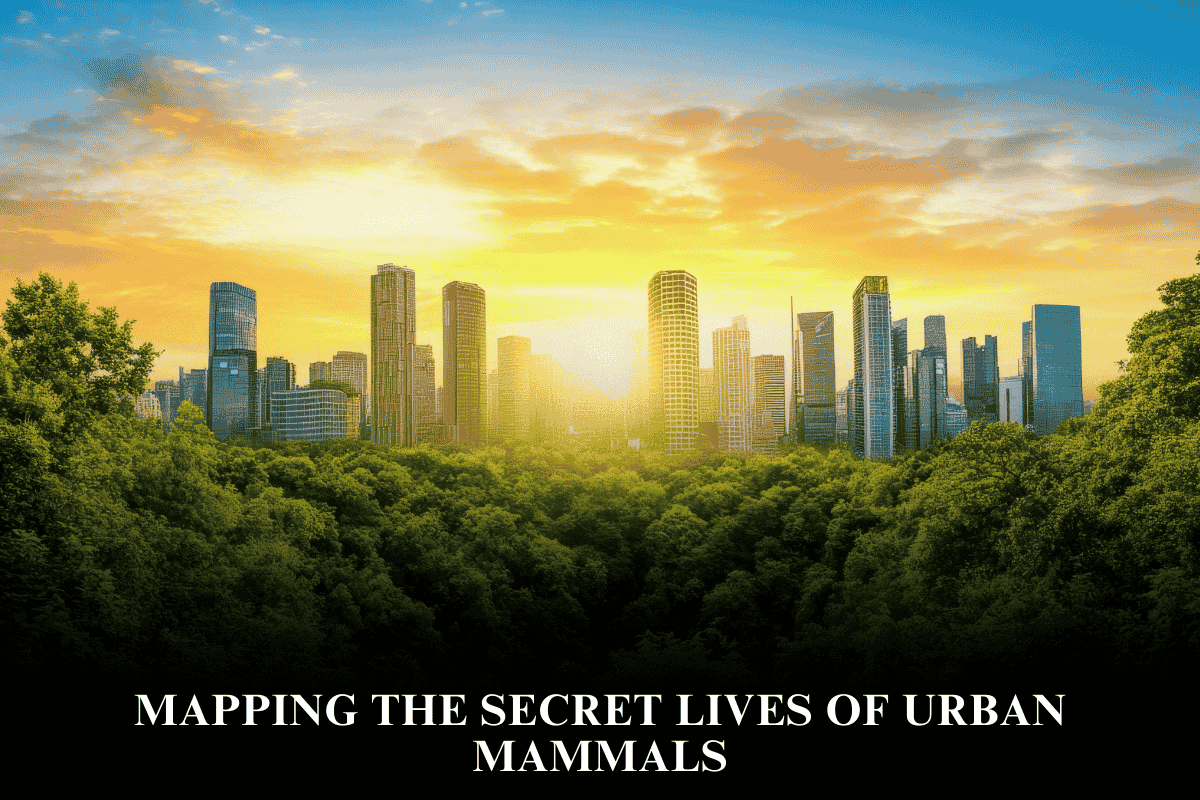
Rapid urban growth presents a critical challenge: fostering economic and infrastructure development while preserving natural ecosystems and biodiversity. Achieving this balance requires integrative planning, sustainable design, and multi-stakeholder collaboration to ensure cities remain livable, resilient, and ecologically viable.
Challenges of Urban Growth
- Urban expansion often leads to habitat loss, fragmentation, and degradation, threatening biodiversity and disrupting ecosystem services critical to human well-being.
- Increased pollution, resource consumption, and green space reduction exacerbate environmental stress within growing metropolitan areas.
- Conflicting governance structures and planning incentives may favor short-term development over long-term ecological sustainability, complicating conservation efforts.
Strategies for Balancing Development and Conservation
- Green Infrastructure Integration
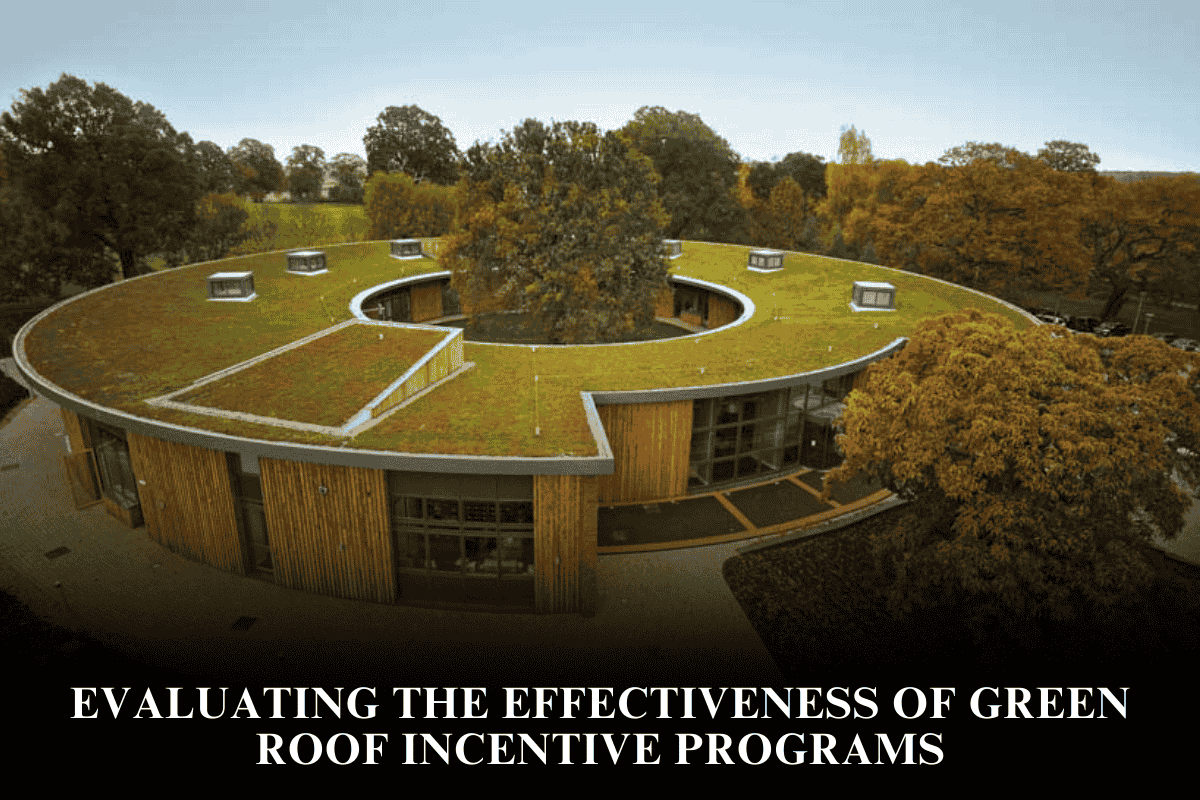
Incorporate parks, green roofs, urban forestry, and water-sensitive urban design into city plans to maintain ecological functions, reduce urban heat, and facilitate wildlife corridors. - Smart Land-Use Planning
Use spatial data and ecological assessments to guide urban growth away from biodiversity hotspots and protected areas. Promote compact, mixed-use development to minimize sprawl and conserve natural landscapes. - Environmental Regulation and Incentives
Enforce strict environmental standards and incentivize sustainable construction, renewable energy use, and resource efficiency to mitigate development impacts. - Community Engagement and Multi-Stakeholder Collaboration
Engage local residents, businesses, conservationists, and policymakers in participatory planning, fostering shared responsibility and informed stewardship. - Restoration and Conservation Projects
Support urban wetland restoration, afforestation, and biodiversity action plans to rehabilitate degraded areas and enhance urban resilience.
Benefits of Balanced Urban Development
- Preserves biodiversity and ecological services like air and water purification
- Enhances urban climate resilience and reduces heat island effects
- Improves quality of life and public health by maintaining green spaces
- Supports sustainable economic growth and regulatory compliance
FAQ: Balancing Development and Conservation in Cities
Q: Can economic development coexist with biodiversity conservation?
A: Yes, with smart planning, green infrastructure, and stakeholder collaboration, cities can grow sustainably while protecting natural habitats.
Q: What role do green roofs and urban parks play?
A: They provide habitat, reduce heat, manage stormwater, and improve air quality, mitigating urbanization’s ecological footprint.
Q: How can governments encourage sustainable urban development?
A: Through regulations, incentives for green building, and integrated land-use policies prioritizing ecological values.
Q: How important is community involvement?
A: Crucial for fostering stewardship, aligning development goals with local needs, and ensuring long-term success.
Q: Are there examples of cities successfully balancing these goals?
A: Cities that integrate comprehensive green infrastructure, enforce zoning protections, and promote sustainable transport and energy use serve as models.