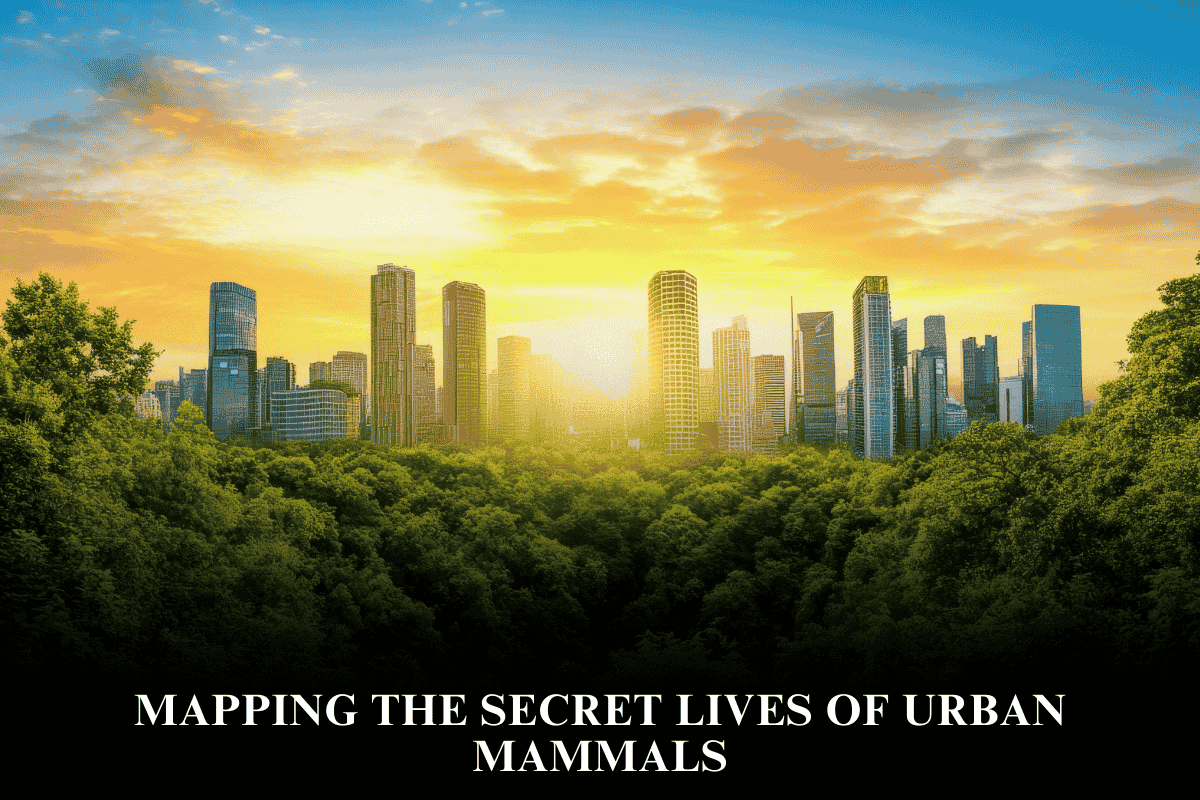
Designing for biodiversity in urban planning plays a crucial role in creating cities that support healthy ecosystems, sustain wildlife populations, and improve human well-being.
Urban planning strategies focused on biodiversity emphasize habitat conservation, environmental connectivity, and integrating nature throughout the built environment. These efforts help transform fragmented urban areas into cohesive and functional ecosystems, ensuring the survival of native species and providing essential ecosystem services.
Role of Urban Planning in Supporting Biodiversity
- Creating and Connecting Habitats: Urban planning promotes establishing parks, urban forests, and natural reserves as protected habitats. Developing green corridors and wildlife bridges connect these fragmented spaces, facilitating safe wildlife movement and genetic diversity. For instance, Freiburg, Germany, has an extensive network of green corridors boosting biodiversity and urban livability by 20-30%.
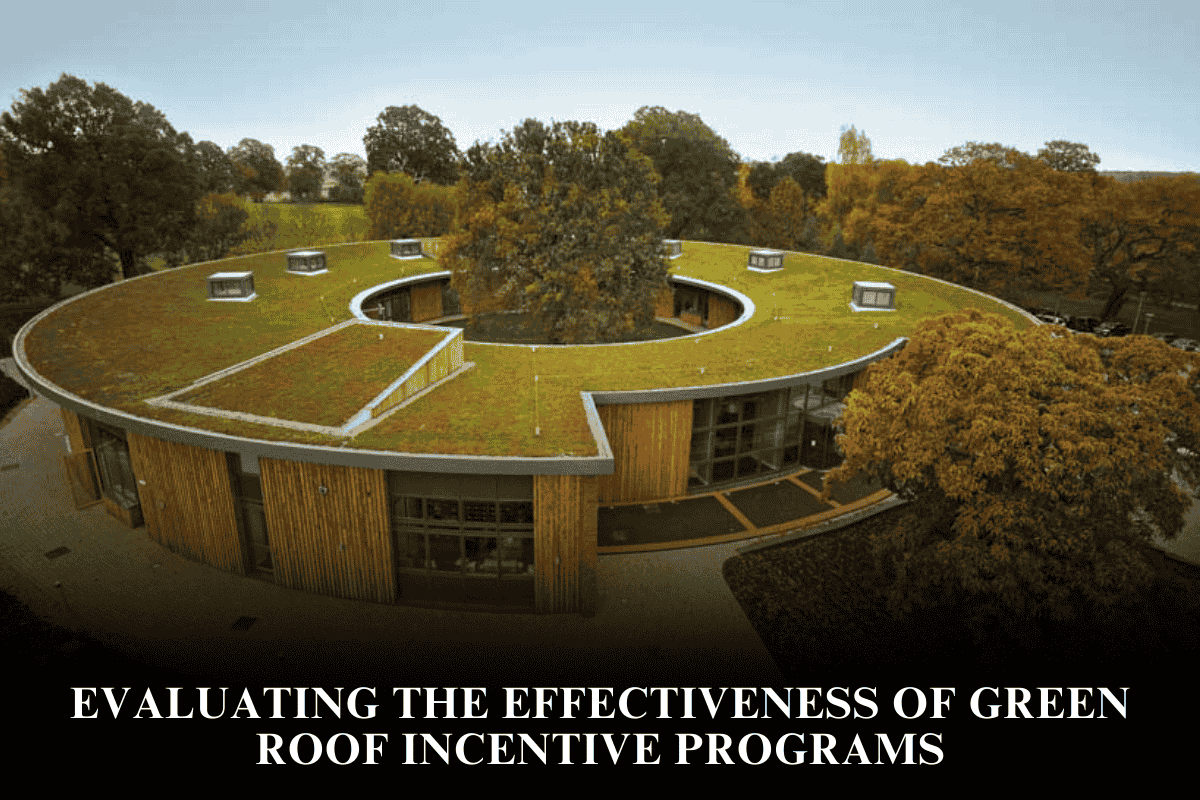
- Incorporating Green Infrastructure: Integrating green roofs, living walls, permeable surfaces, and water features like ponds and wetlands supports diverse species including birds, insects, and aquatic life. These features also help improve air and water quality, reduce urban heat, and benefit residents.
- Biodiversity-Sensitive Urban Design (BSUD): BSUD builds nature into urban fabrics by protecting habitats, enabling species dispersal, minimizing human threats, promoting ecological processes, and encouraging human-nature interactions. It is a decision tool that guides design to achieve positive onsite contributions to biodiversity, going beyond traditional urban greening approaches.
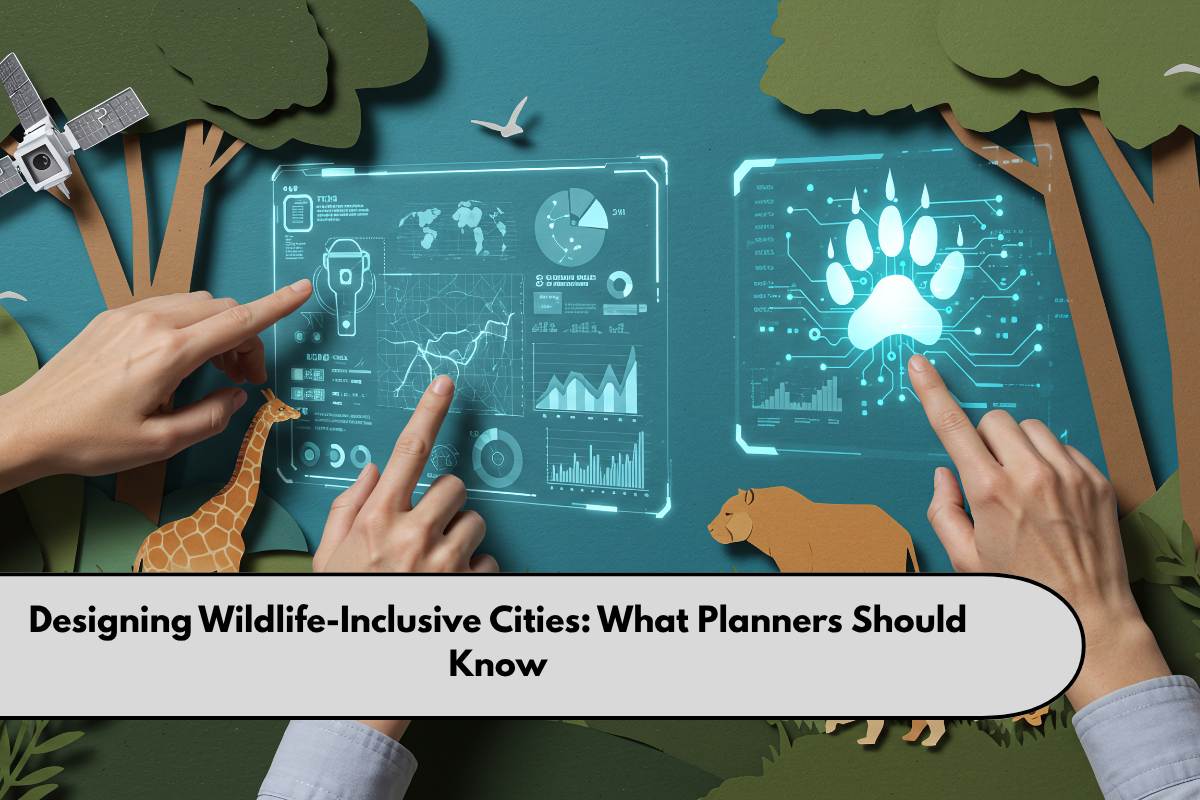
- Wildlife-Friendly Urban Planning: Designing wildlife crossings like overpasses and underpasses reduces roadkill and helps animals traverse urban barriers safely. Urban planners collaborate with ecologists to identify and protect critical habitats through zoning laws and strategic green infrastructure.
- Sustainable Landscaping: Using native plants for urban landscaping sustains local wildlife by providing food and shelter, while avoiding invasive species that disrupt local ecosystems. Maintaining riparian zones along waterways offers movement corridors for both terrestrial and aquatic species.
- Integrating Human and Ecological Needs: Modern urban planning not only seeks habitat conservation but also aims to generate ecosystem services and everyday nature experiences for city residents. Collaborative planning among designers, ecologists, and communities optimizes urban biodiversity outcomes while enhancing human quality of life.
By embedding biodiversity priorities into urban planning and design, cities can develop resilient ecosystems that support both wildlife and human populations, ultimately fostering healthier, more livable urban environments.
FAQs
Q1: What is urban biodiversity?
Urban biodiversity refers to the variety of living organisms, including plants, animals, fungi, and microorganisms, within urban areas. It includes native species adapted to cities as well as introduced species. Urban biodiversity contributes to ecological health, human well-being, and ecosystem resilience.
Q2: How does urban planning affect biodiversity?
Urban planning determines where buildings, roads, parks, and green spaces are located. Thoughtful planning can protect habitats, connect green spaces, and minimize fragmentation, thereby supporting diverse ecosystems. Poor planning can lead to habitat loss, fragmentation, pollution, and decline of native species.
Q3: What is Biodiversity Sensitive Urban Design (BSUD)?
BSUD is a protocol guiding urban development to deliver on-site benefits to native species by protecting habitats, enabling species dispersal, and promoting ecological processes within urban areas. It aims to achieve positive biodiversity outcomes beyond typical green space installation.
Q4: How do green corridors benefit urban wildlife?
Green corridors connect fragmented habitats, allowing animals to move safely between areas, access resources, and maintain genetic diversity. These corridors may include tree-lined streets, riparian buffers, and linear parks.
Q5: What role do green roofs and walls play?
Green roofs and living walls provide supplementary habitats for birds, insects, and plants, while also improving air quality, reducing urban heat, and managing stormwater.