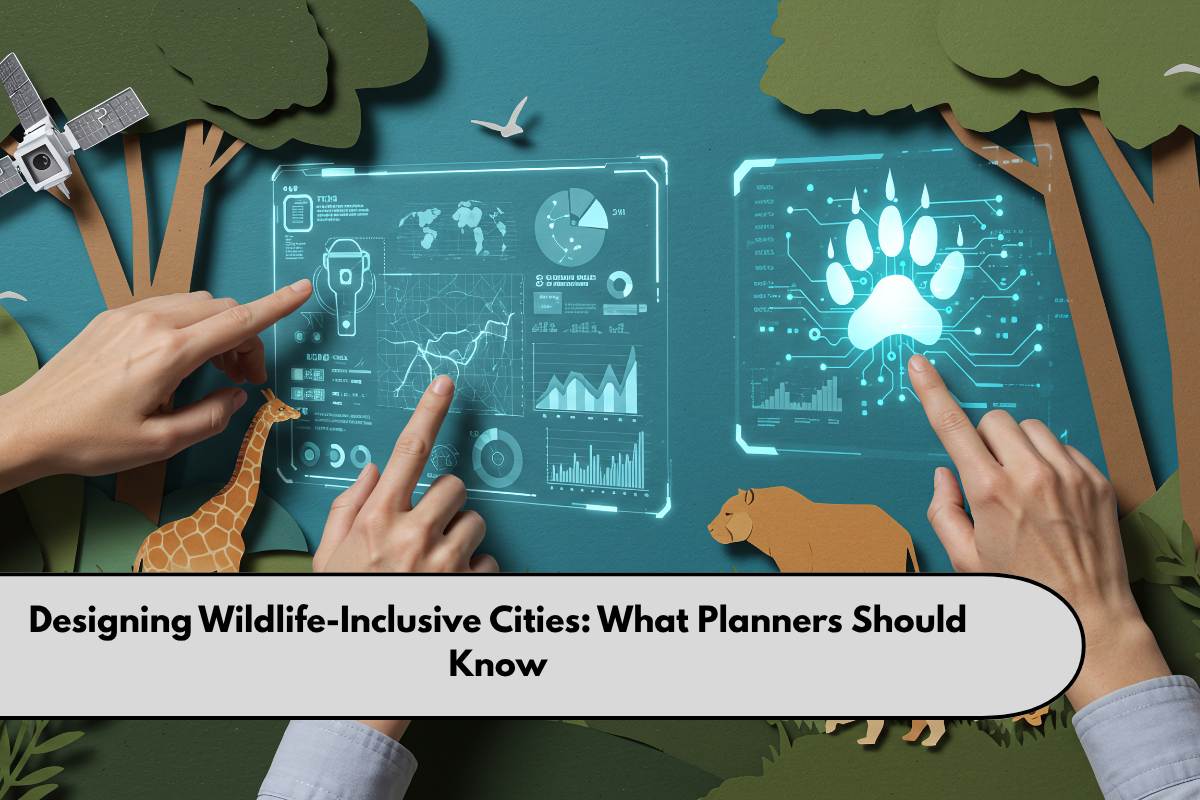
Creating cities that welcome both people and wildlife is an essential goal for sustainable urban development. Wildlife-inclusive urban design integrates natural habitats within the built environment, fostering biodiversity, ecosystem services, and a healthier relationship between humans and nature. Urban planners play a key role in shaping spaces where wildlife can thrive alongside city dwellers.
Principles of Wildlife-Inclusive Urban Design
Wildlife-inclusive design is grounded in understanding the ecological needs of urban fauna and incorporating these into city planning from the start. This requires interdisciplinary collaboration among ecologists, architects, landscape planners, and community stakeholders to balance development with nature conservation.
Core principles involve maintaining habitat diversity and connectivity, accommodating species life cycles, and recognizing urban areas as functioning ecosystems.
It’s important to design for dynamic ecosystems that evolve, adding structural complexity with native plants, green corridors, and multifunctional habitats like wetlands and urban forests. Post-occupancy monitoring and adaptive management further ensure that wildlife benefits persist long-term.
Strategies for Integrating Wildlife in Urban Spaces
Planners can implement several strategies to make cities more wildlife-friendly:
- Green Corridors and Habitat Connectivity: Linking parks, gardens, and natural areas through corridors enables safe wildlife movement and genetic exchange while reducing road mortality.
- Diverse and Native Vegetation: Using layered plantings of native species supports a wide array of insects, birds, and mammals, enriching urban biodiversity.
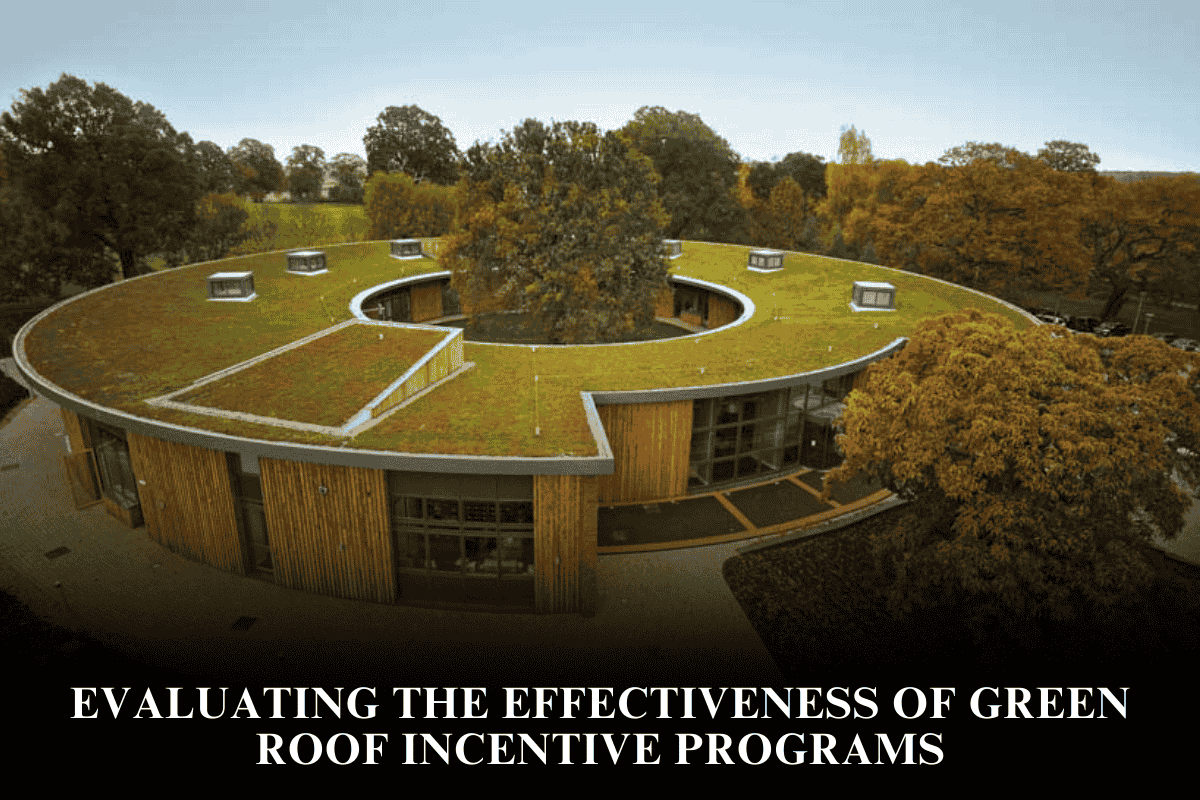
- Wildlife-Friendly Infrastructure: Features such as green roofs, permeable surfaces, and wildlife crossing structures mitigate urban barriers and provide resources like food and shelter.
- Buffer Zones and Natural Water Features: Creating buffers around sensitive habitats and integrating ponds, streams, or rain gardens enhances habitat quality and ecosystem services.
- Participatory Planning Approaches: Engaging communities and stakeholders ensures designs address human needs while promoting stewardship and coexistence.
- Climate Resilience Considerations: Designing for ecosystem adaptability to climate change supports long-term survival of urban wildlife and related ecosystem functions.
Benefits of Wildlife-Inclusive Cities
Cities designed with wildlife in mind reap multiple benefits. Enhanced biodiversity improves ecosystem services such as pollination, air and water purification, and temperature regulation. This creates healthier living environments that improve human well-being.
Wildlife presence enriches urban experiences, connecting residents to nature and fostering environmental awareness. Including wildlife habitats in urban planning also supports climate adaptation by conserving ecosystems that buffer floods and mitigate heat islands. Furthermore, wildlife-inclusive design increases property values and community pride, reinforcing sustainable development goals.
FAQ
Q: What is wildlife-inclusive urban design?
A: It is an approach to city planning that integrates natural habitats and ecological principles to support wildlife alongside human communities.
Q: How can green corridors help urban wildlife?
A: They provide safe pathways connecting fragmented habitats, allowing animals to move, feed, and reproduce without threats from roads or human disturbance.
Q: What role do native plants play in urban biodiversity?
A: Native vegetation offers essential food and shelter resources adapted to local wildlife, supporting diverse species and ecological balance.
Q: Can urban infrastructure be wildlife-friendly?
A: Yes, features like green roofs, permeable pavements, and wildlife crossings help mitigate barriers and provide habitats within cities.
Q: Why involve communities in wildlife-inclusive planning?
A: Community engagement fosters stewardship, ensures designs meet local needs, and promotes coexistence between people and wildlife.
Q: How does designing for wildlife contribute to climate resilience?
A: Healthy ecosystems within cities moderate climate impacts, such as flooding and heat, benefiting both wildlife and humans.
By incorporating these design principles and strategies, urban planners can craft cities where both wildlife and people flourish, transforming urban landscapes into resilient, biodiverse ecosystems that enrich quality of life.