The future of urban wildlife research is evolving into a more collaborative, multi-city, and interdisciplinary field that integrates ecological science with social dimensions to promote coexistence and sustainable urban ecosystems.
Emerging Trends in Urban Wildlife Research
- Multi-City Collaborative Networks: Urban Wildlife Information Network (UWIN) and similar initiatives facilitate comparative studies across different cities to understand how various urban factors shape wildlife ecology globally. This approach addresses the limitation of single-city studies and improves generalizable insights for urban biodiversity management.
- Integration of Social Science: Research increasingly includes human dimensions, exploring human-wildlife interactions, public perceptions, and policy influences. This promotes the design of urban environments that support both people and animals.
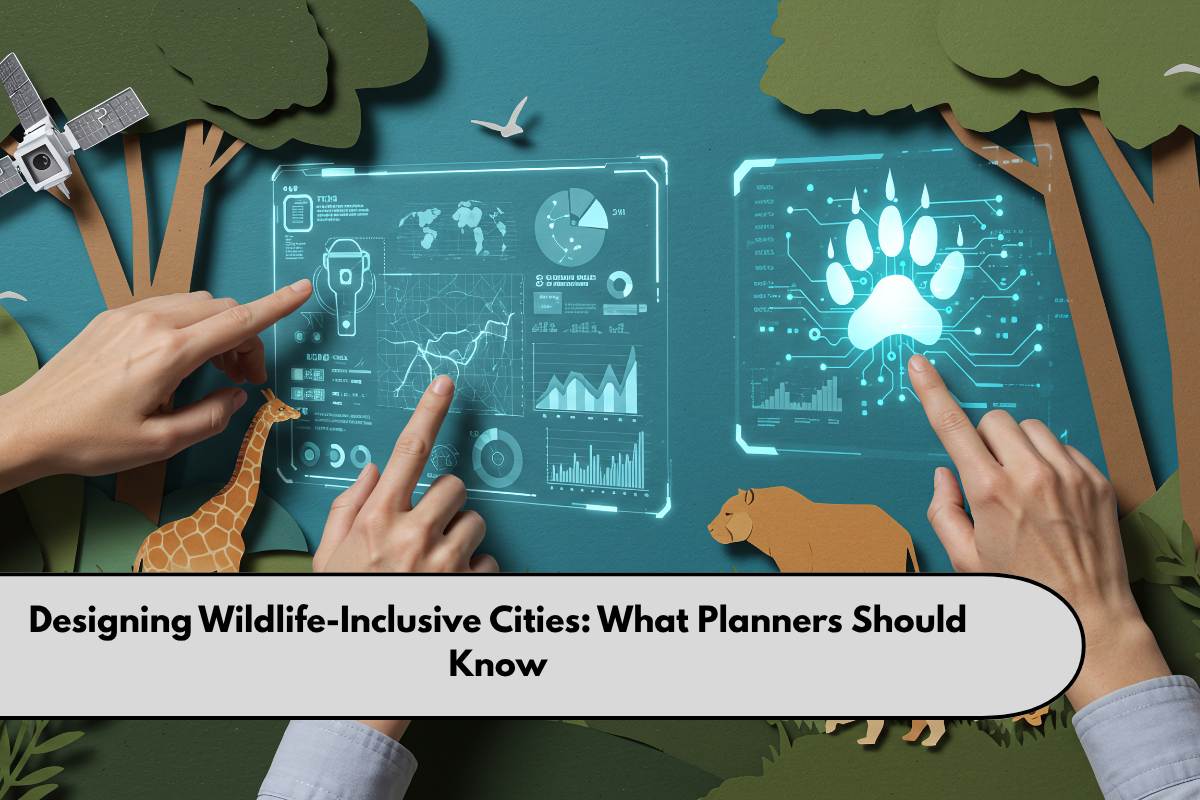
- Long-Term and Large-Scale Monitoring: Advances in technology such as remote sensing, bioacoustics, citizen science platforms, and AI enable extensive, continuous monitoring of urban wildlife populations and environmental variables.
- Focus on Under-Studied Taxa: While birds and mammals dominate existing research, emerging studies are expanding to include arthropods, amphibians, and urban aquatic species, reflecting the complexity of urban ecosystems.
- Nature-Based Solutions and Urban Innovation: There is a growing emphasis on applying urban ecology research to develop and assess nature-based solutions (NBS) that increase urban biodiversity, climate resilience, and human well-being through greening and habitat restoration.
- Community Engagement and Citizen Science: Urban wildlife research increasingly involves public participation, boosting scientific literacy and fostering stewardship, enhancing data quality and policy relevance.
FAQs
Q1: What new approaches define future urban wildlife research?
Multi-city collaborations, interdisciplinary integration, and large-scale, long-term monitoring are key trends.
Q2: How is social science influencing urban wildlife studies?
By incorporating human behavior, perceptions, and policy impacts to enhance coexistence strategies.
Q3: What technologies aid urban wildlife research?
Remote sensing, AI, citizen science apps, and bioacoustics monitoring expand data collection and analysis.
Q4: Are more species being studied in urban areas?
Yes, research now includes insects, amphibians, and urban aquatic species alongside birds and mammals.
Q5: What role do nature-based solutions play?
They translate ecological findings into urban design and restoration projects supporting biodiversity and climate resilience.