Cities support wildlife conservation through a blend of thoughtful policy frameworks, urban planning, habitat protection, education, and community engagement. Urban conservation policies aim to balance development with biodiversity preservation while reducing human-wildlife conflicts and fostering coexistence.
Key Policy Pathways Supporting Urban Wildlife Conservation
- Creation and Protection of Green Spaces and Wildlife Corridors: Cities designate parks, urban forests, community gardens, and greenways to serve as critical habitats and migration pathways for wildlife. Connected green infrastructures counteract habitat fragmentation and foster biodiversity.
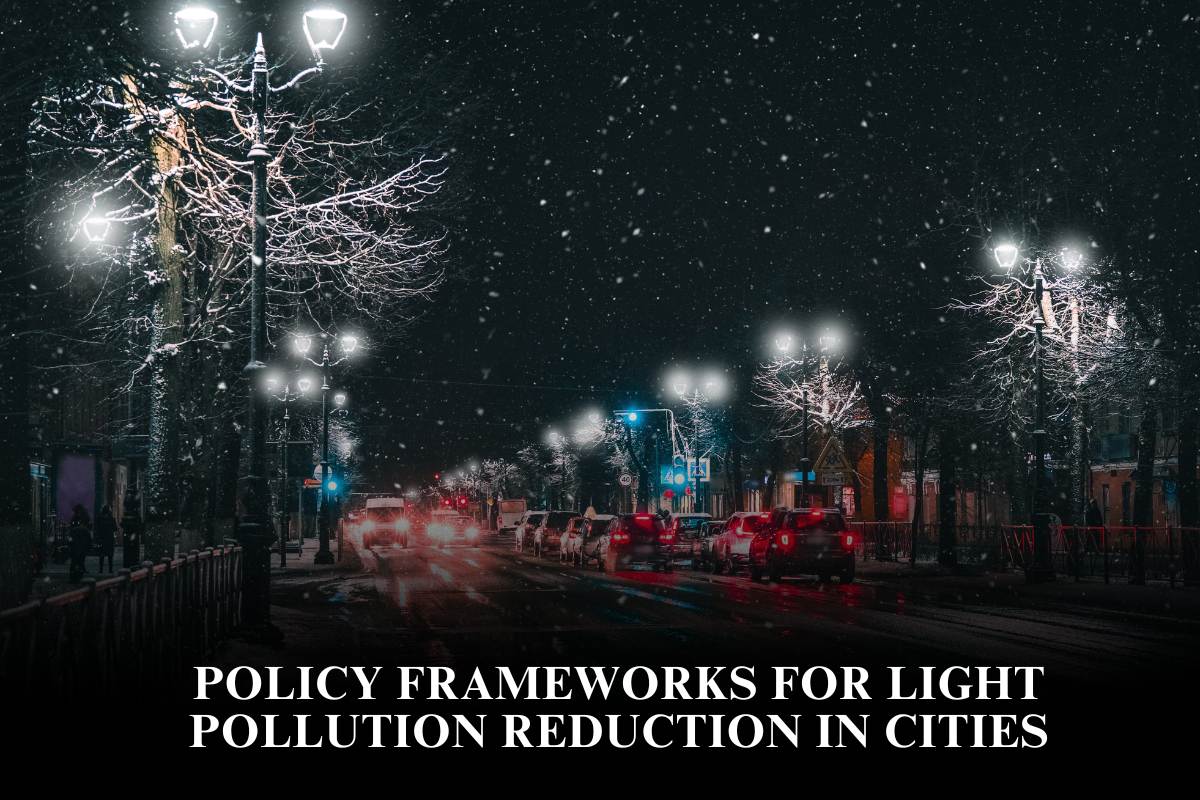
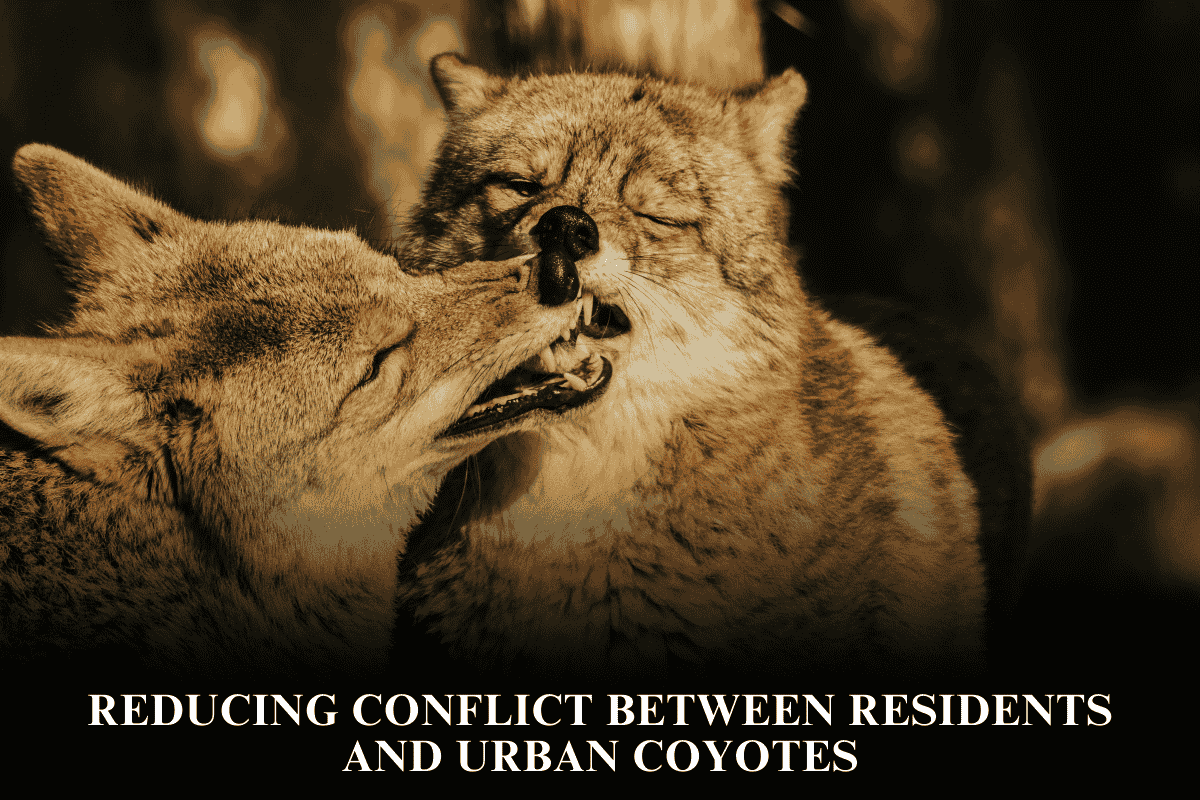
- Mitigation of Human-Wildlife Conflicts: Policies promoting secure waste management, discouraging wildlife feeding, and enforcing safe wildlife-human distance rules reduce conflicts. Using bird-safe glass and limiting light/noise pollution protect sensitive species.
- Incorporation of Native Vegetation: Urban landscaping policies prioritize native plants adapted to the local ecosystem, essential for providing food and shelter to native wildlife. Invasive species control is also integrated into conservation regulations.
- Wildlife-Friendly Urban Planning and Zoning: Regulatory frameworks require city plans to include biodiversity impact assessments, protect critical habitats, and embed wildlife-friendly building and infrastructure designs like green roofs, permeable surfaces, and water features.
- Public Education and Engagement Programs: Cities support programs that raise awareness about coexistence, wildlife importance, and citizen involvement through workshops, signage, school curricula, and digital campaigns encouraging stewardship.
- Collaborative Governance: Effective urban conservation involves multi-stakeholder cooperation among municipal authorities, NGOs, scientists, and communities to formulate, implement, and monitor wildlife policies.
FAQs
Q1: How do cities protect wildlife habitats?
By creating and maintaining parks, green corridors, and urban forests that connect fragmented habitats.
Q2: What policies reduce human-wildlife conflicts?
Garbage management, anti-feeding rules, and educating the public on safe interaction minimize conflicts.
Q3: Why focus on native plants in urban areas?
Native plants support local fauna by providing natural food and shelter, helping maintain ecosystem balance.
Q4: How does urban planning contribute to conservation?
Through zoning laws that protect habitats and requirements for green infrastructure in development projects.
Q5: What role do public education and engagement play?
They foster coexistence culture, increase awareness, and encourage community participation in conservation.