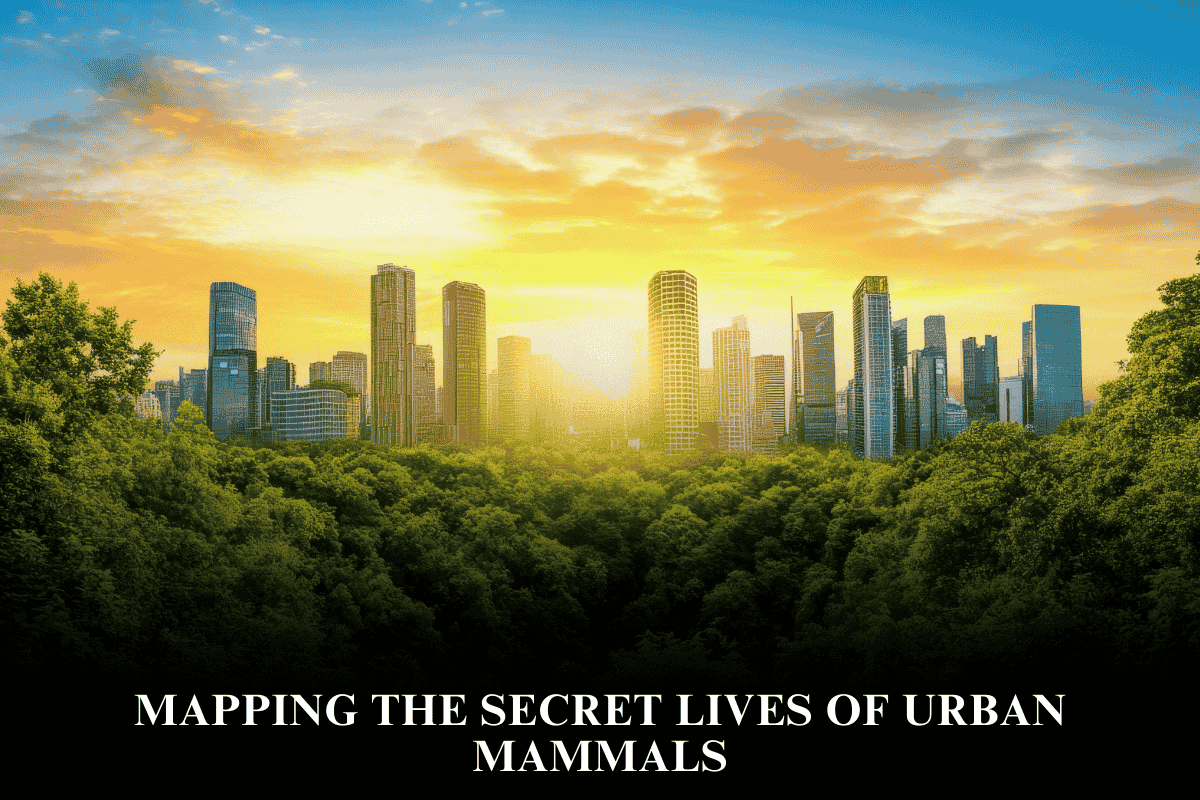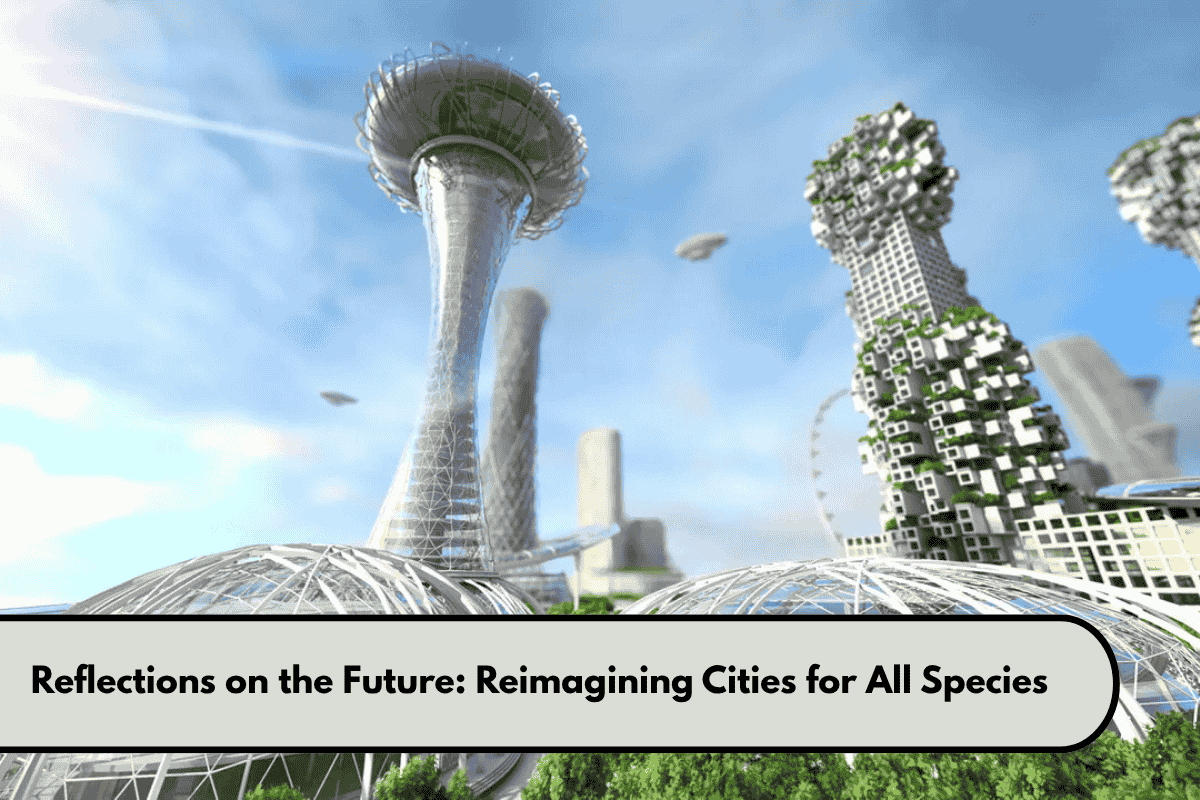
Reimagining cities for all species involves creating urban environments where human development harmonizes with thriving biodiversity, fostering coexistence, resilience, and equitable access to nature.
This vision demands integrating ecological, social, and technological innovations to transform cities into inclusive, dynamic ecosystems that sustain both people and wildlife.
Key Reflections on the Future of Wildlife-Friendly Cities
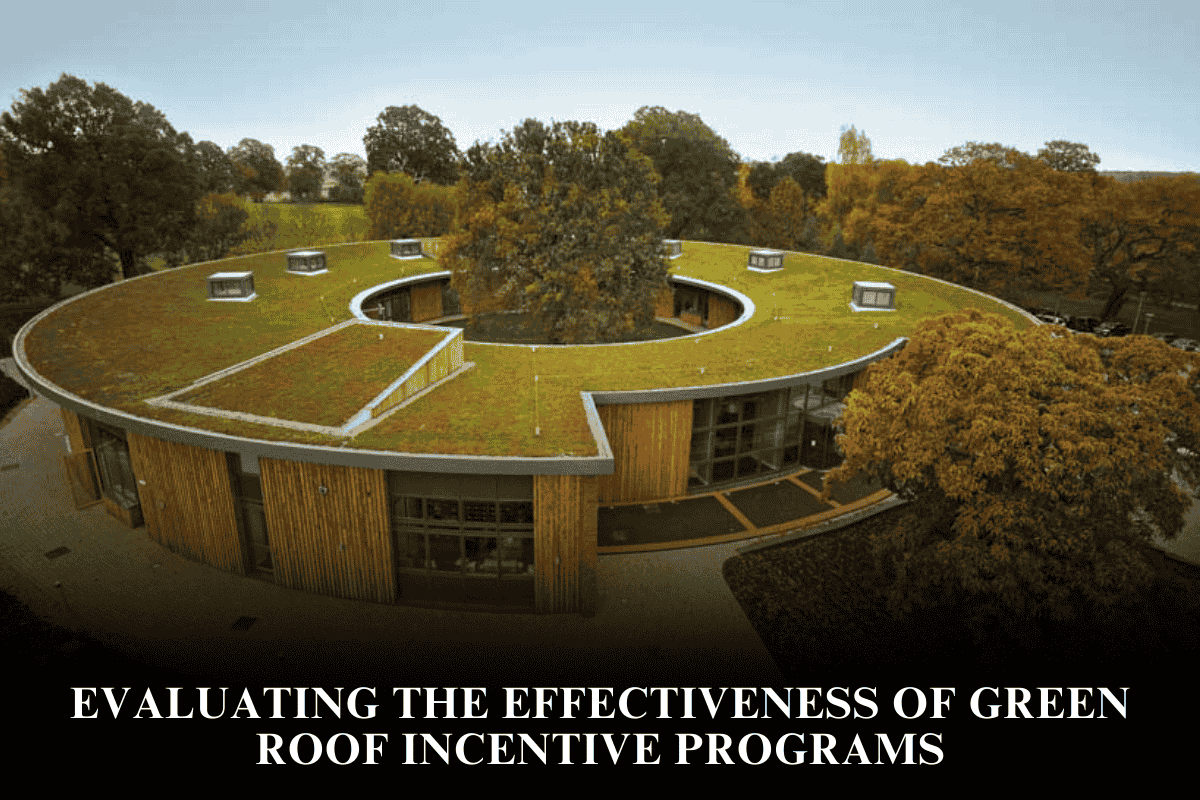
- Nature-Positive Urban Design: Future cities will embed green infrastructure—parks, corridors, green roofs, wetlands—as integral features designed from the outset to support native species, ecological processes, and ecosystem services like air and water purification, climate regulation, and mental well-being.
- Multi-Scale Connectivity: Cities will link urban wildlife habitats with regional ecosystems through comprehensive networks of green corridors, waterways, and community gardens, ensuring species movement and genetic diversity crucial for resilience against climate and development pressures.
- Inclusive Communities and Stewardship: Urban ecosystems will thrive through empowered, diverse communities actively engaged in conservation, education, participatory planning, and stewardship, fostering social cohesion and interspecies empathy.
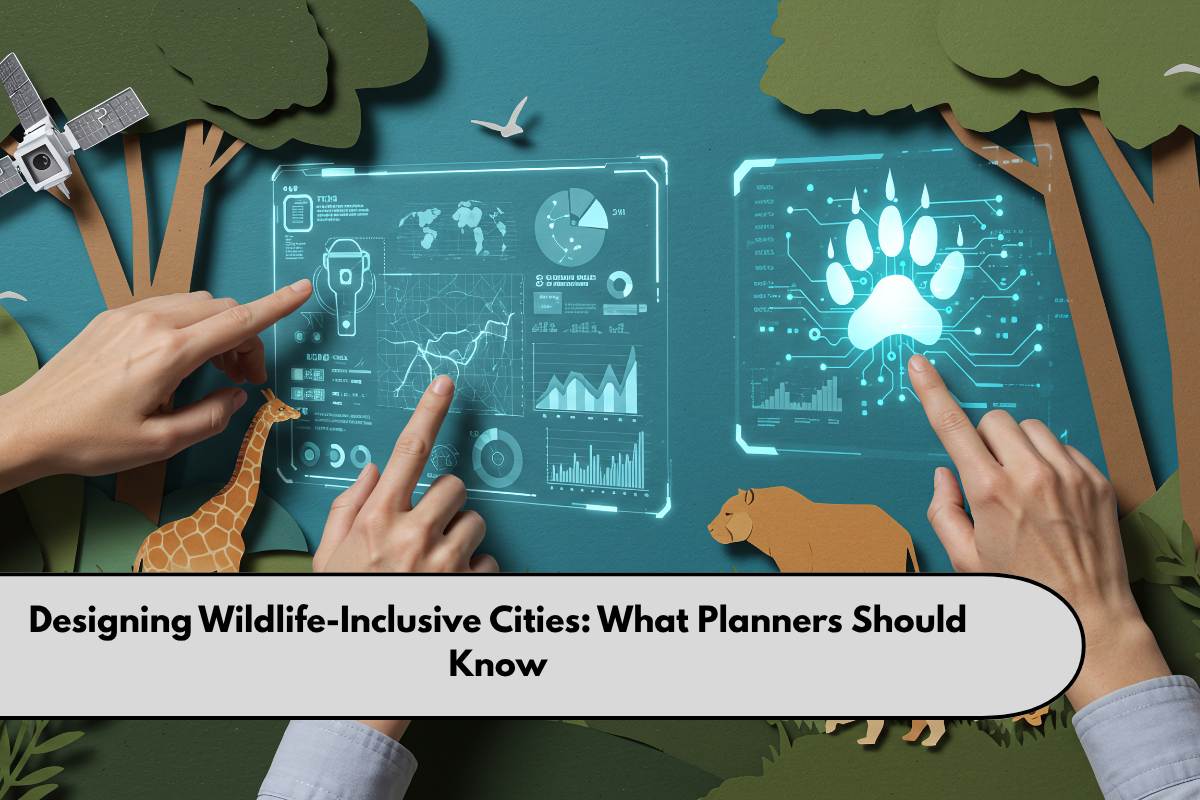
- Technology and Data-Driven Management: Innovations in remote sensing, AI, citizen science, and real-time monitoring will optimize wildlife-friendly urban planning, enabling adaptive management to rapidly address emerging ecological challenges and opportunities.
- Balanced Growth and Equity: Sustainable urban development will balance density with expansive green spaces, focusing on equitable access to nature and ecological benefits for all citizens, reducing environmental justice disparities.
FAQs
Q1: What does a wildlife-friendly city look like?
A city integrating green spaces, corridors, and habitats supporting diverse native species alongside human communities.
Q2: How do cities ensure connectivity for wildlife?
By developing ecological networks spanning neighborhoods, parks, waterways, and linking to larger regional habitats.
Q3: What role do communities play?
Communities act as steward leaders engaging in habitat care, citizen science, and inclusive urban nature governance.
Q4: How will technology shape this future?
It will enable precise monitoring, data integration, and adaptive interventions supporting resilient urban ecosystems.
Q5: Is equitable access to nature part of this vision?
Yes, ensuring all residents enjoy nature’s benefits is fundamental for sustainable, just cities.