Smart cities are leveraging advanced technologies such as the Internet of Things (IoT), artificial intelligence (AI), big data analytics, and digital twins to enhance urban ecology, sustainability, and biodiversity.
These technologies facilitate real-time environmental monitoring, optimize resource use, improve urban planning, and enable adaptive management to support resilient and biodiverse urban ecosystems.
How Technology Shapes Urban Ecology in Smart Cities
- IoT and Sensor Networks: Sensors placed throughout cities monitor air quality, water resources, noise pollution, and biodiversity indicators in real time. This data empowers cities to respond dynamically to environmental issues, such as pollution spikes or habitat degradation, improving ecosystem health.
- AI and Big Data: AI analyzes vast urban datasets to predict environmental changes, optimize land use, and model urban growth impacts on biodiversity. For example, AI-driven biodiversity monitoring systems identify species and assess habitat quality to guide conservation efforts.
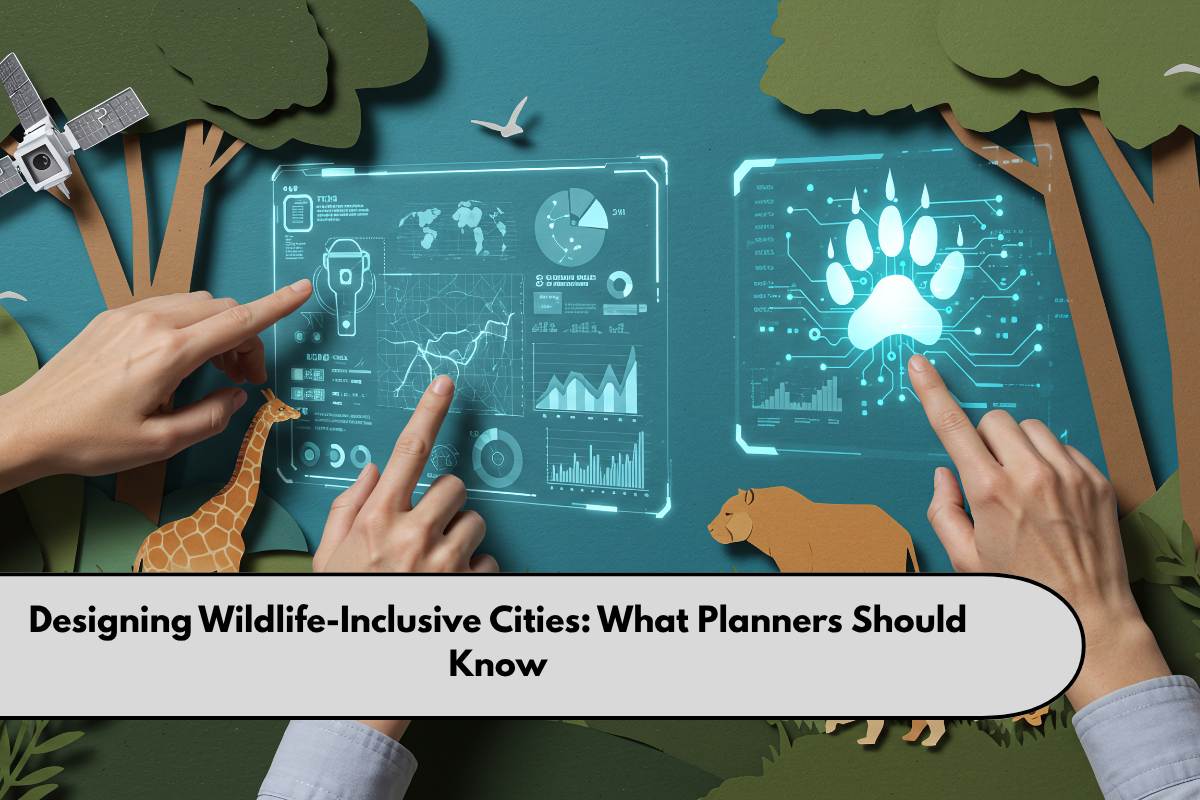
- Digital Twins and Simulation: Digital twin technology creates virtual models of urban ecosystems, allowing planners to simulate development impacts and optimize green infrastructure placement for maximum ecological benefit. Melbourne’s Urban Forest Visual platform exemplifies such an application.
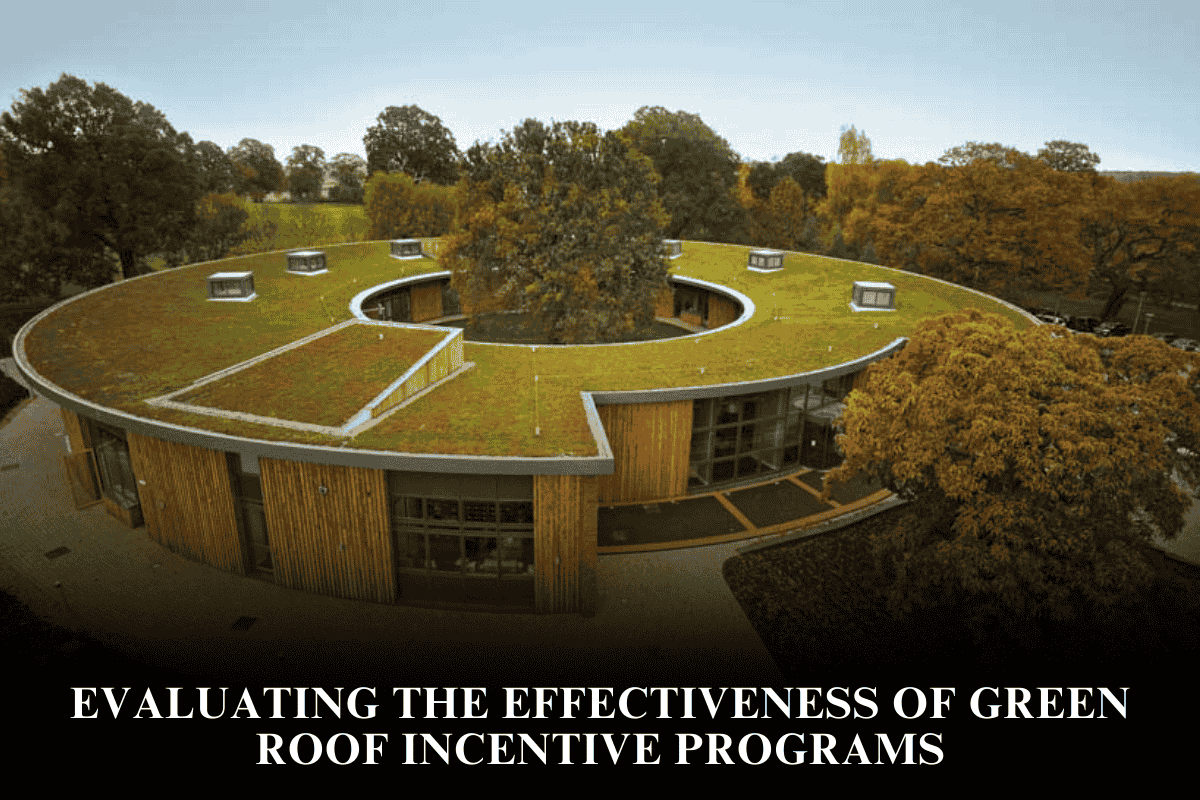
- Green Infrastructure Integration: Smart cities incorporate green roofs, walls, parks, and wetlands into urban design, supported by technology for efficient maintenance, irrigation, and biodiversity tracking. Technology also assists in designing multi-functional urban infrastructure that balances human and ecological needs.
- Sustainable Mobility and Energy: Tech-enabled smart traffic systems reduce congestion and emissions, improving air quality and urban habitat conditions. Smart grids and renewable energy technologies reduce the urban ecological footprint and promote climate resilience.
- Citizen Engagement Technologies: Digital platforms and apps enhance community involvement in urban ecology monitoring and biodiversity conservation, democratizing data collection and fostering environmental stewardship.
FAQs
Q1: What technologies support urban ecology in smart cities?
Key technologies include IoT sensors, AI analytics, big data, digital twins, and green infrastructure management tools.
Q2: How does AI help urban biodiversity?
AI identifies species, monitors habitat health, predicts environmental risks, and informs adaptive management.
Q3: What is a digital twin and how is it used?
A digital twin is a virtual model of urban ecosystems used to simulate impacts of urban planning decisions and optimize green infrastructure.
Q4: How do smart cities improve sustainability?
By optimizing resource use, managing emissions, integrating renewable energy, and supporting green spaces through technology.
Q5: Can citizens participate in smart urban ecology?
Yes, digital platforms enable community data collection, increasing environmental awareness and contributing to biodiversity monitoring.